Christa’s Soapbox – Making Soul-Fulfilling Work

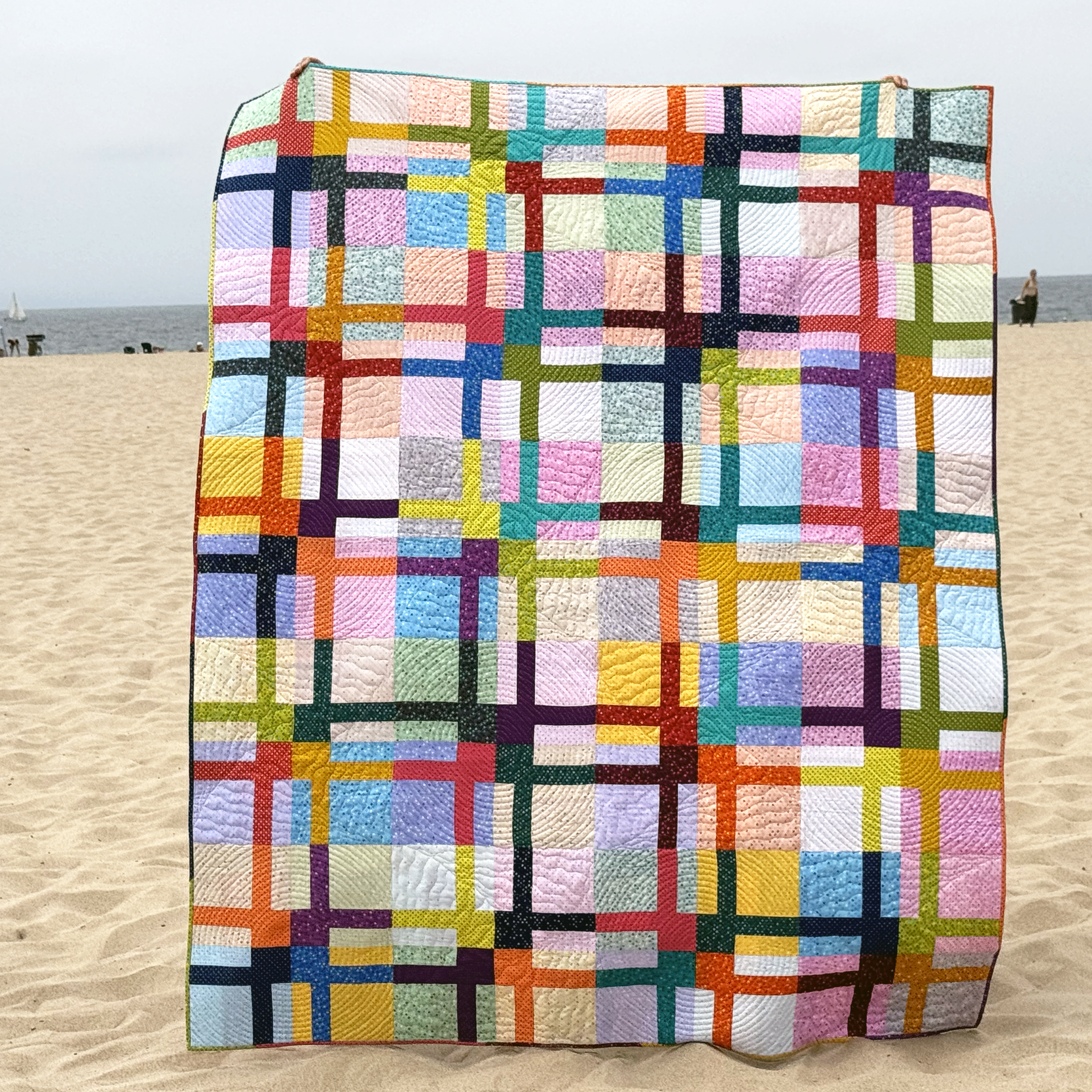
I’ve been sitting on a feeling for awhile that I need to change up a little bit of what I’ve been doing. I will still be doing all the fun things: designing, writing, traveling & teaching, but I’m starting to make space to work on some more “experimental” ideas.

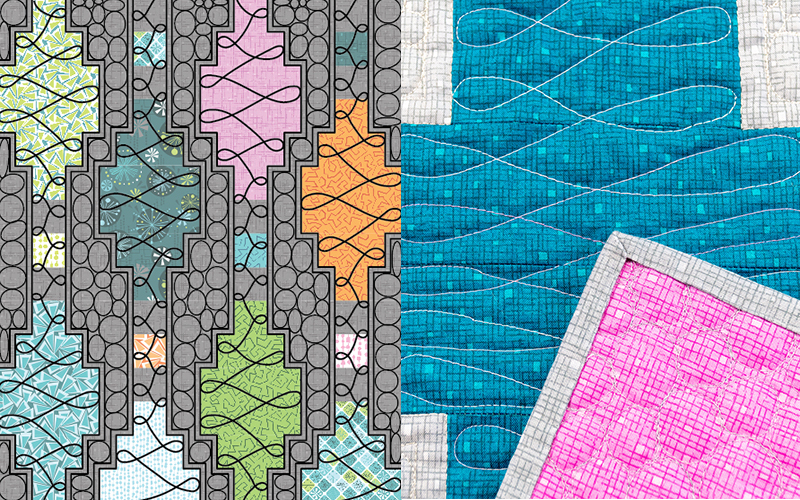
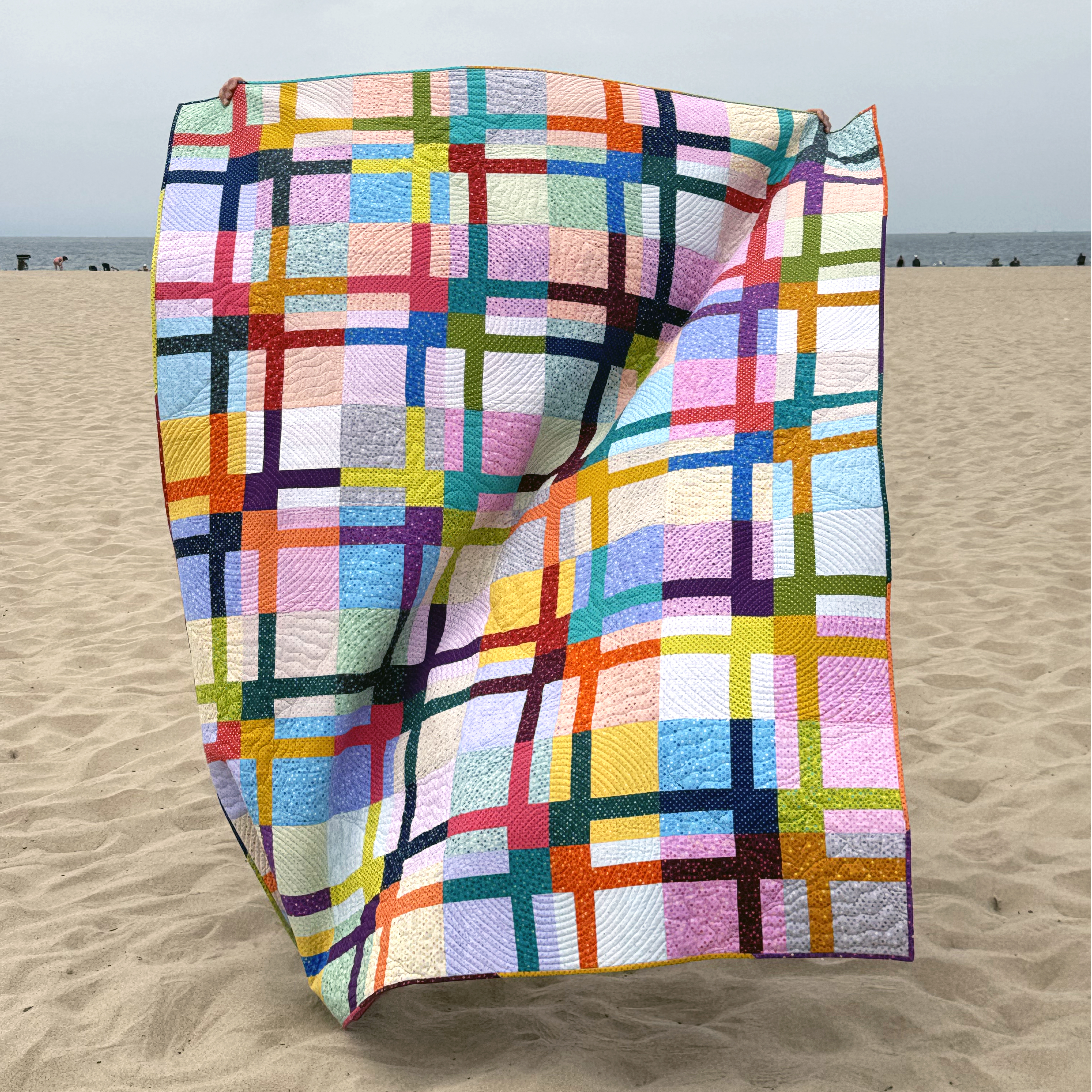
A current “What If?” Idea in progress…

A few years ago I started getting an itch to explore new concepts and ideas in my quilting work. As a full time professional quilter, that can cause somewhat of a conflict because most everything I currently make is for commercial consumption. Meaning that I have to sell what I make or design in order to pay the bills. It’s a fun job for sure, but it often times leaves little space for trying out new ideas that may not be financially viable. It’s the old adage, that “if you find something that works, don’t fix what isn’t broken!”

A couple of times this has pulled me into a direction I’d rather not go in and I have to course correct. I can also be slow to change because I’m not a boat rocker. All this is to say I’ve finally decided to prioritize the “what if?” ideas.

I publicly mentioned the idea of making soul-fulfilling work in a video I created about QuiltCon 2024 earlier this year. This idea of making what my heart desires has been nagging at me for awhile. And each time I teach at a large national show (AQS in Paducah earlier this spring and at PIQF over the summer) that desire grows stronger.

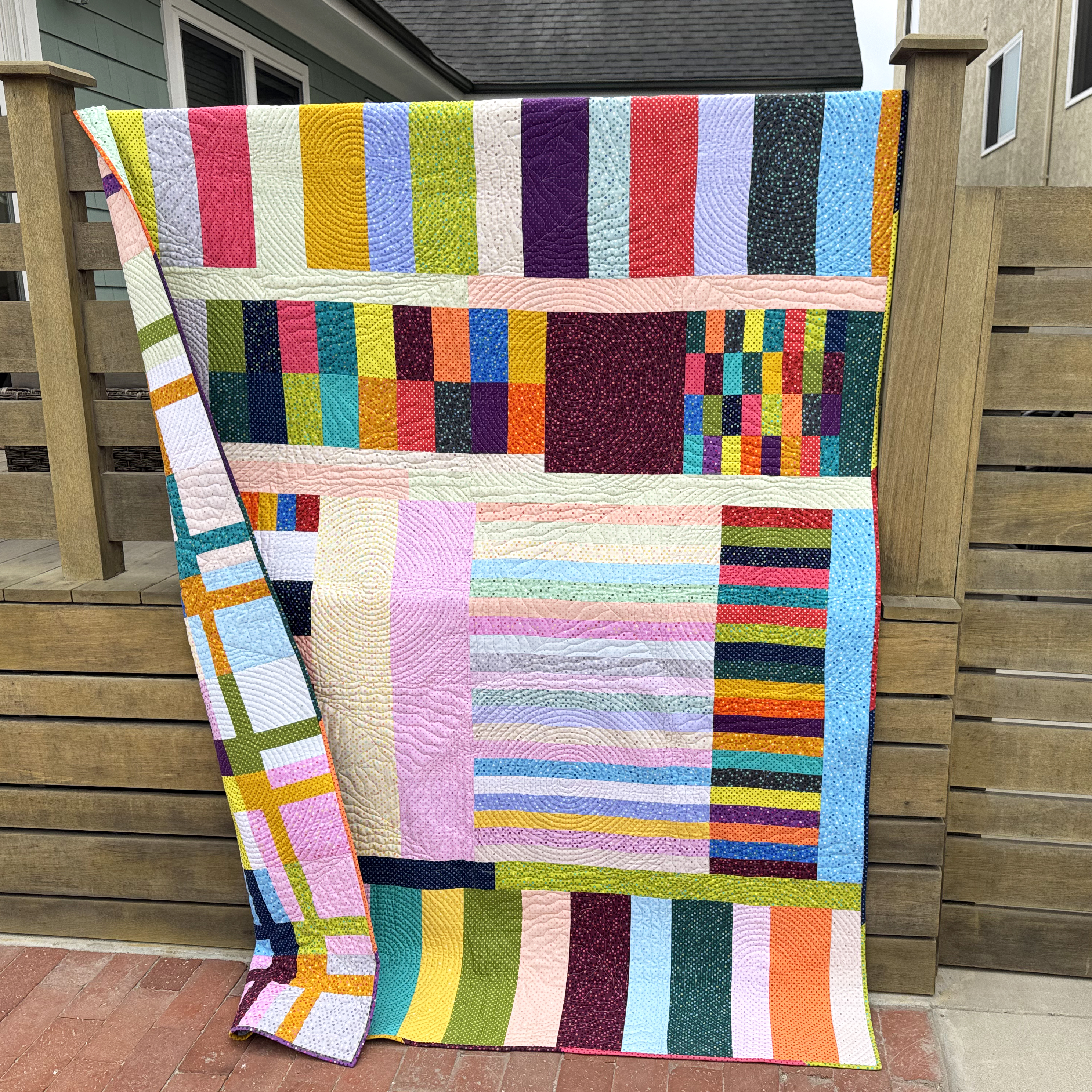
I like where this is going, although I’m not quite sure what to name it yet….

The biggest issue I’ve had to navigate is how to actually carve out the time in my already busy schedule to make this happen. And without any external deadlines, the exploratory concepts keep getting pushed to the side because I can do them at “any time,” right?? So to actually make time and space for what I want to do, I’ve decided to make 2 tweaks in my routine.

First of all, I’m going to post less on social media. My accounts aren’t going away, but rather than being a slave to the algorithms, I’ll post what I want, when I want! There may be periods of time when things are more quiet, and other times where I may want to share a boat load of new ideas! Along the way I may even write longer blog post like this one.

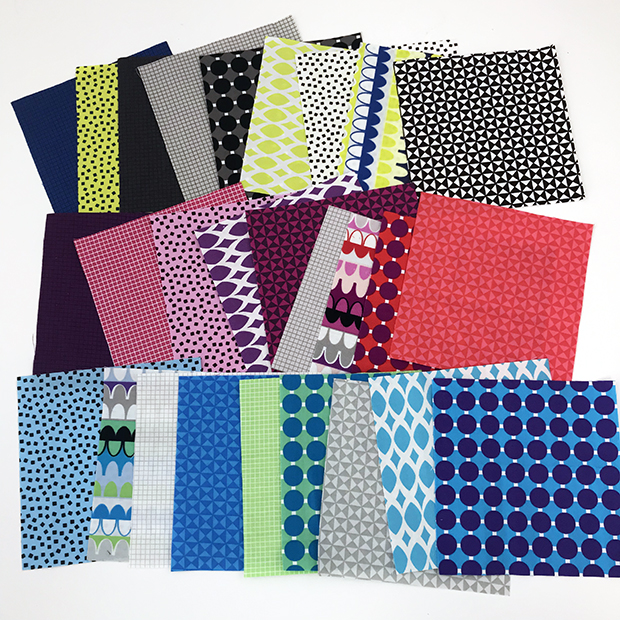
This has been fun to work on for a few minutes each day, and I’m already getting ideas on how to machine quilt it while I piece.

The second thing I’m doing is actually getting back to what first got me noticed in the quilting industry in the first place: participating in quilt shows again. I do love sharing my work publicly, and I don’t enter my quilts to win ribbons (although it’s a nice bonus when they do)!

However, having that external deadline of finishing something for a show really motivates me to explore, experiment and push the boundaries a little bit. I’ve come to accept that fact that it’s hard for me to make a quilt “just because.” For me, each quilt needs to serve a purpose. So I’ve given myself permission to use those external deadlines as a catalyst to keep me sewing, exploring and just playing. It feels very refreshing to make what I want to make and share what I want to share!

I’m at a pause point with this design, so now I’m thinking through what comes next….

So… I’ll continue to document my process of both my commercial work and my experimental work. I’ll continue to share both my successes and lessons learned along the way. But it will be more random and less scheduled.

Have YOU ever had an a-ha moment, or a strong feeling when you know it’s time to pivot? Let’s definitely continue this conversation in the comments, and I’m sending hugs to everyone who’s continuing to support me on this journey!!

xoxox

What It’s Like to Judge a Large, International Quilt Show

I recently returned from my trip teaching – and judging – at Pacific International Quilt Festival, which took place in Santa Clara California in July of 2024. The quilts of course were amazing, and my students were well prepared for success!

Click here to see images of all the winning quilts.

Best Mid Century Modern Quilt: Retro Living by Tami Graeber

For the record I am NOT a certified quilt judge, but I’ve had many years experience entering my own work into quilt shows. I’ve also volunteered numerous hours in judging rooms as a scribe or quilt handler, and I’ve judged several shows (both in person and online) when the occasion arrises. I’ve also served on the jury of large shows and I’ve sat on committees that help formulate rules for their particular shows. So before we get into sharing what that’s like, let me define a few terms for you.

First of all, what’s a jury? This is a select group of quilters who are chosen for their knowledge of quilting, and/or design. This group pre-screens all of the quilts that are submitted for entry to a show, and they determine which quilts will be accepted for exhibit into that show. A quilter who wishes to submit a quilt to a large, juried show will submit photos of their quilts along with an entry fee. The requirements are usually 2 photos – a clear image showing the full quilt, plus another detailed photo showing a small section of the quilt to show techniques and workmanship.

Judges and Scribes at Breakfast on Judging Day

Not all quilt shows are “juried” but most large international shows are. This is because of the sheer volume of quilts submitted. There are usually many more quilts entered into a well known show, compared to how much space is available to showcase them. So it’s simply a numbers game. The jury is “blind” meaning the jurors do not have any information on who made each quilt. They may or may not be able to read the artist statement but that’s it.

Click here to read about my experience as a QuiltCon Juror

A scribe is someone who records the judges’ comments during evaluation of each quilt. The scribe is usually given a separate sheet of paper with the name of each quilt and the judging criteria, along with room for comments. The judge will then evaluate each quilt according to the criteria which is set by show. A handler is literally someone who helps handle each quilt as they are being judged. Quilts are usually judged together as a group by category. That means each quilt is evaluated relative to all of the quilts in the same category.

Best Handwork, Modern: Katzen Krankenhaus by Katherine M. Dossman

There can be 1 or more judges at the show and shows are usually judged one of two ways: with the quilts by category laid out flat on a table, one on top of another. Or the quilts can be hung on the show floor first, and the judge(s) walk around the show looking at each quilt by category. Each show is different and the judges are given instructions on how to judge. Some shows require their judges to be certified, but most large, international shows do not. Many shows invite some of the teaching staff to also serve as judges due to their expertise in their particular field. And usually the shows hire different judges each year for variety.

Just like a jury, the judges do not know whose quilt they are evaluating at any given time. They may be able to read the artist’s statement but they are evaluating the quilt on its own merits. When more than one judge is involved, the judges can discuss each quilt together to decide on the final evaluation of each.

My judging partner Mel Beach and I hanging out during the “meet the teacher” event.

So here’s how it worked at PIQF. There were 4 of us judging, and we were divided up into two teams of two, along with one scribe for each team. At this particular show there were 4 main categories (Traditional, Innovative, Modern, and Wall) so it worked out nicely for each team to judge half of the quilts. We all met for a working breakfast on the morning of judging day, and were given instructions by the show organizer. The instructions included how to evaluate each quilt along with the numbers of ribbons and prizes that would be awarded in each category. In addition, each of the 4 judges got to select our own judges’ choice for a special ribbon.

At this show, the quilts were hung on the show floor and we were given a map along with a binder for each team that had all of the evaluation sheets for each quilt we were judging. So we walked around the show floor looking at each quilt one at a time. They had numerous special exhibits for display only, so these were not a part of our evaluations.

My judges’ choice ribbon: The Chairs by Deborah Ryan

First we looked at each category we were judging to get an overall impression of the quilts. The scribe helped us note which particular quilts stood out and started writing down some of our preliminary comments. We discussed and evaluated each quilt as a team and then took our time in deciding which quilts would be awarded.

After the winners were chosen, we went back and looked at each quilt we had awarded to ensure we were happy with our choices and that we followed the judging criteria. Once that was done, we turned in our results to the show organizers so that they could begin moving the “Best Of” quilts to the front of the room and then begin pinning ribbons onto the winning quilts.

Below, I’ve made a short video showing all of the quilts entered into the Modern Category, which I helped judge. Can you see how it’s difficult to choose the winners? I could have awarded them all!!

Click on the image below to start the video. It’s about 8 minutes long.

While the volunteers were shuffling a few quilts around, and as the vendors were setting up on the show floor, we once again looked at each quilt and made comments for each and every one. Not every show includes judges’ comments with each quilt, but I really loved that this one did. We tried our best to be very fair and positive, even when giving constructive criticism.

I can tell you that at this show, and most high level shows like this, the work is top notch so most of the comments are very positive. The most common advice we included in our team’s judging was that it could benefit from additional quilting. When a quilt is hung at a show it can become very apparent if the quilting isn’t balanced. The quilt can sag a little or look a little wrinkly in some areas and can be fixed with additional quilting. Since this is my area of expertise, it’s one of the things that often catches my notice.

Best Modern Wall Quilt: Out of the Blue by Linda Branting

I was very pleased to be involved with this show so intimately and I can tell you that getting up close and personal with the quilts like that is very joyful. I will be teaching and judging at another show run by the same group – Mancuso Show Management – next February. If you are in the Virginia area, I’d love for you to join me at the Mid Atlantic Quilt Festival. So stay tuned for more details about that!!

Click here to see where I’ll be traveling to next!

Bling Quilt – One Pattern, Many Possibilities

I was recently unpacking from my latest quilty travels and as I was putting my quilts away, I realized I’ve made 5 different versions of the same quilt. How does that even happen?? LOL!! So today I thought it would be fun to share all of them together in one post, plus a few more bonus ideas!!

Click here to get my Bling pattern – PDF version
Click here to get my Bling pattern – paper version

The original version of Bling shown above was created for a magazine and originally came in one size only. I made it to showcase an earlier fabric line that’s now out of print and wanted to quilt it fairly quickly with a simple wavy walking foot grid design.

As I was designing this quilt I started playing around with different layouts and fabric placement. I love the version below which I call “Trinket Boxes.” I haven’t made it….yet, but it’s still on my “to make” list one day!!

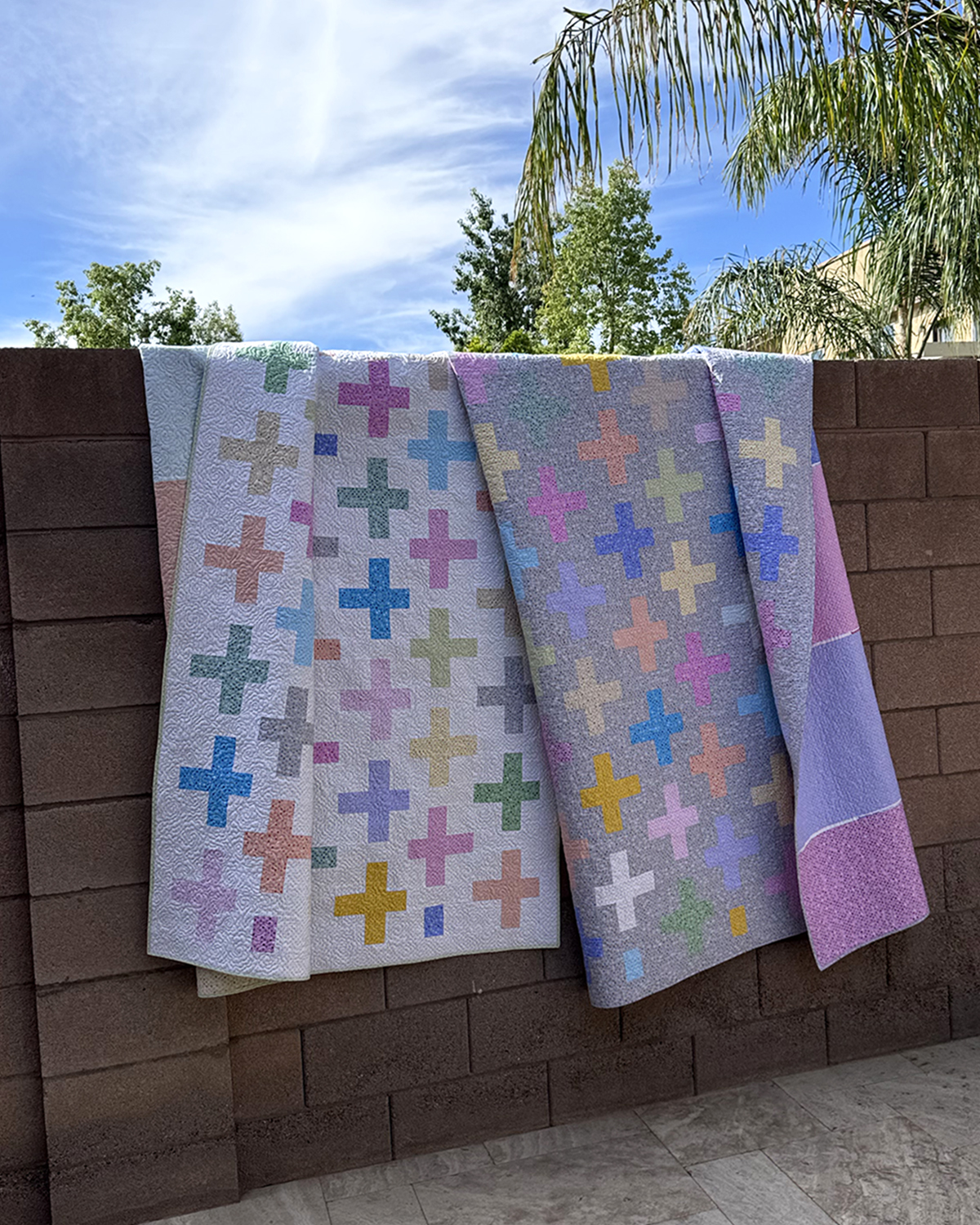
Once the pattern rights reverted back to me, I created a version of my Bling pattern that now includes multiple sizes. This time I made two more versions of Bling to showcase another colorful fabric collection I had designed. I wanted to demonstrate how the same bright fabrics can pop against either a very dark OR very light background as shown below:

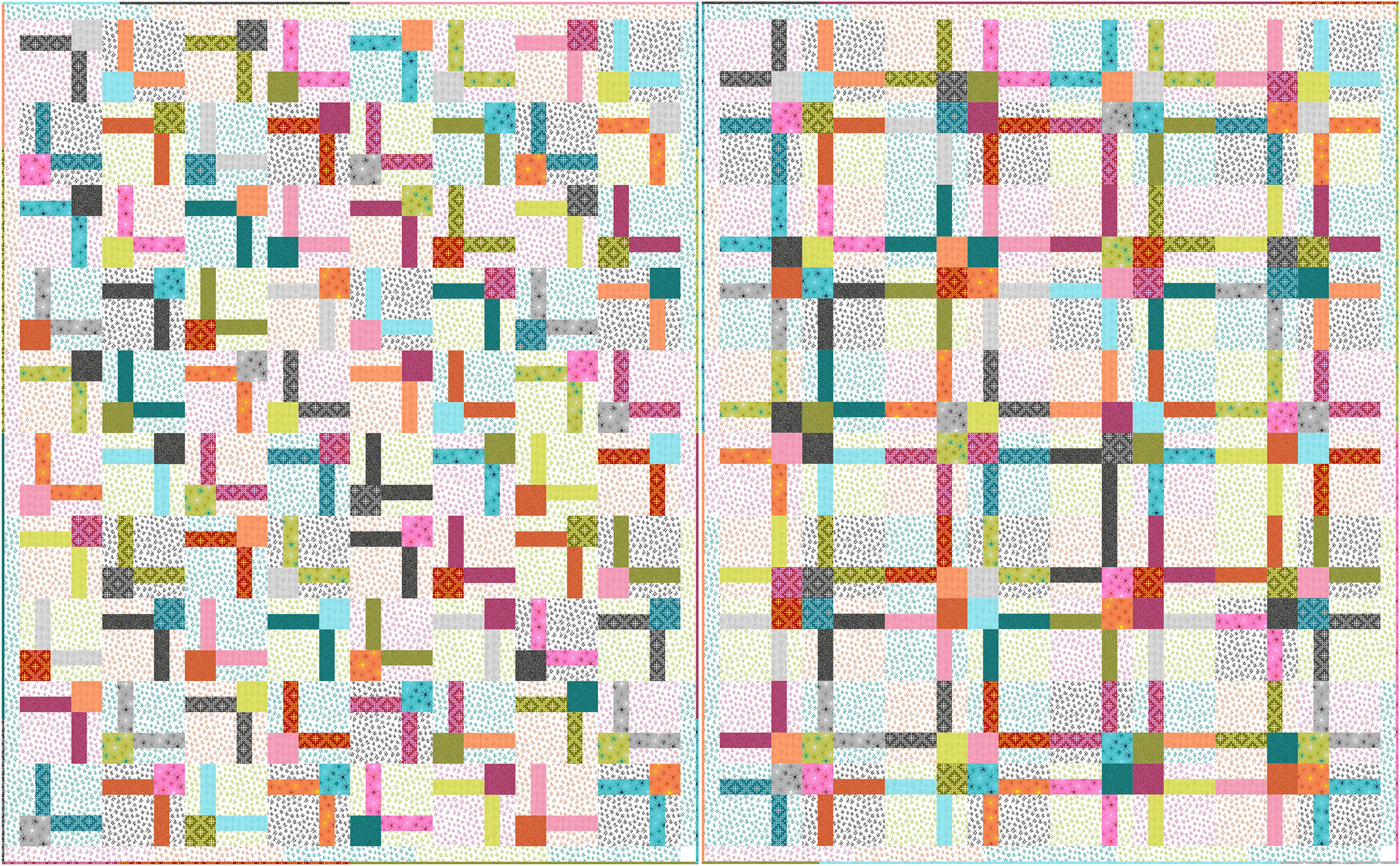
With the release of the stand-alone quilt pattern, I also include a few alternate layout ideas. I love how the same design can look so different, just by rotating all the blocks! All of the images below are included in the current version of this pattern.

I was really intrigued by the Hashtags layout above. Next, I wanted to explore how it could look if the colors were a little more unified rather than completely random. So when it was time to release my Black, White & Bright collection, I made a 4th version where all of the hashtags were made from the same fabric in each block. I also went scrappy in for the backgrounds, too.

When people see this version, they can’t believe it’s the exact same pattern!!

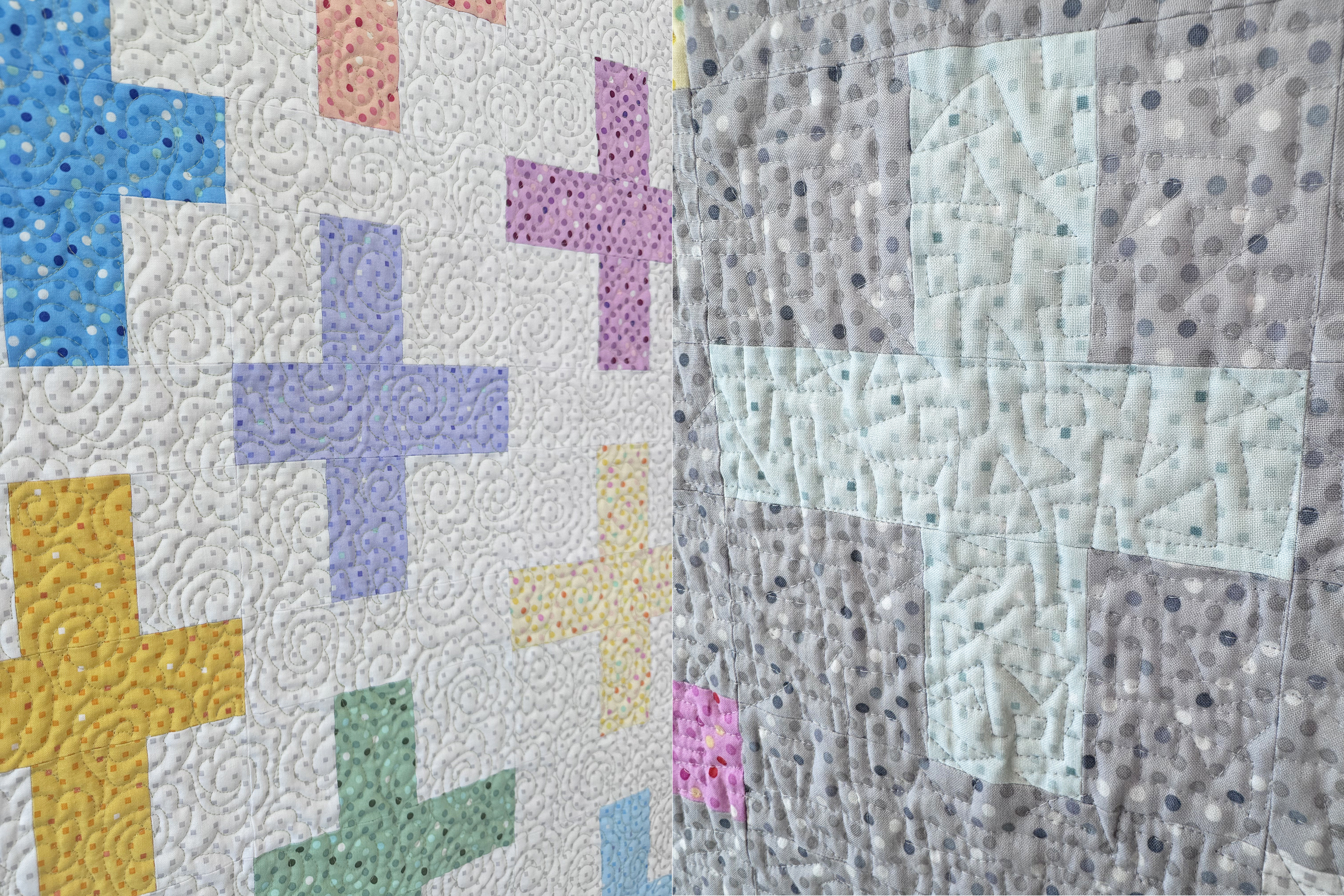
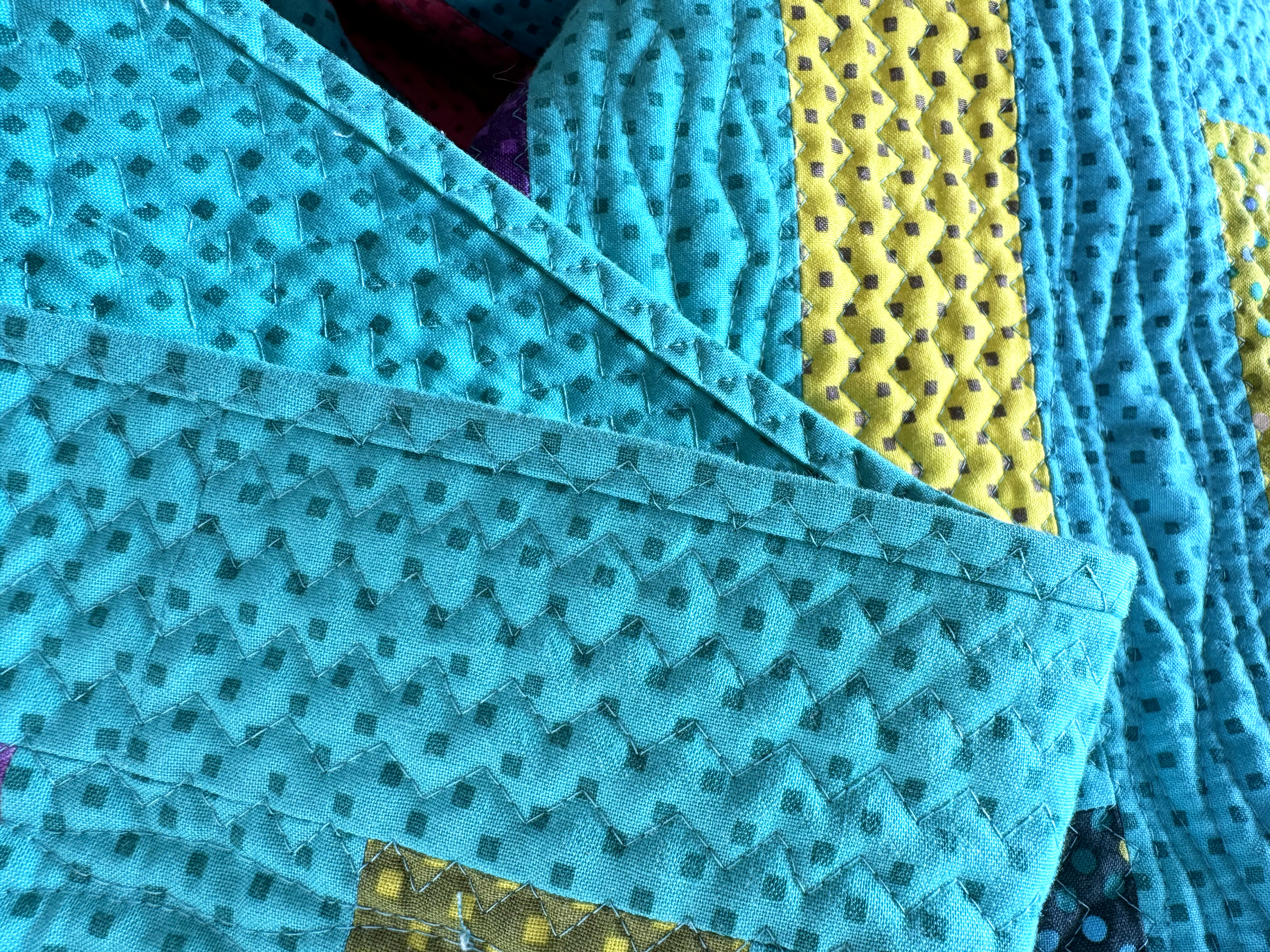
Finally, I made a 5th version of Bling to showcase my Stitchy fabric collection. I kept the look of the scrappy backgrounds and even made a video showing how I machine quilted it with fun decorative machine stitches. Click the image below to watch the video:

After making all these quilts, I’m still not tired of this design!!

While supplies last, I have kits available to make the Black White & Bright Hashtags version above, or either of the bright pastel Stitchy versions below.

Click here to view all quilt kits and get started on a fun project right away!!

If you make any of these versions – or even one inspired by them, do let me know!

California Teachin’!

I love traveling all over the country teaching my machine quilting methods and I pretty much say yes to any group who invites me. Over the next few months I’ll be traversing California at a couple of big shows. Next up is 4 days of workshops at Pacific International Quilt Festival, July 24-27, 2024. As of this writing one of my workshops is full, but there are still a couple spots left in 3 of them.

Click here for the most updated list of my workshops and to register for what’s still available.

Road to California Schedule – January 2025

I’ll be heading back to Road to California for the 3rd time in January. This is one of my favorite shows to go to both as an attendee and as a teacher. Registration opens July 1, 2024, and workshops usually sell out pretty quickly at this show. So take a look at I’ll be teaching below, and plan your schedule accordingly.

3008C – Walking Foot Bootcamp
Wednesday, January 22nd 2025
From 8:30 AM to 4:30 PM

4005C – Free Motion Bootcamp
Thursday, January 23rd 2025
From 8:30 AM to 4:30 PM

5005C – Machine Quilting Spirals & Swirls
Friday, January 24th 2025
From 8:30 AM to 4:30 PM

6006C – Free Motion Mashup: Combine & Design
Saturday, January 25th 2025
From 8:30 AM to 3:30 PM

Will I see you at either of these events? Although I love sharing online via my blog, social media, and YouTube channel, nothing beats taking a class from me live and in person!

Click here for my updated teaching schedule to see where else I’m traveling.

Sending Good Vibes & Free Quilt Patterns!

It’s fun to share some of the reasoning behind the fabrics I’ve designed. With my Good Vibes collection, I wanted to create a group of fabrics with an equal number of lights and darks so that they’d work well in lots of precut friendly patterns.

Click here to view all Good Vibes fabrics.

Good Vibes by Christa Watson for Benartex

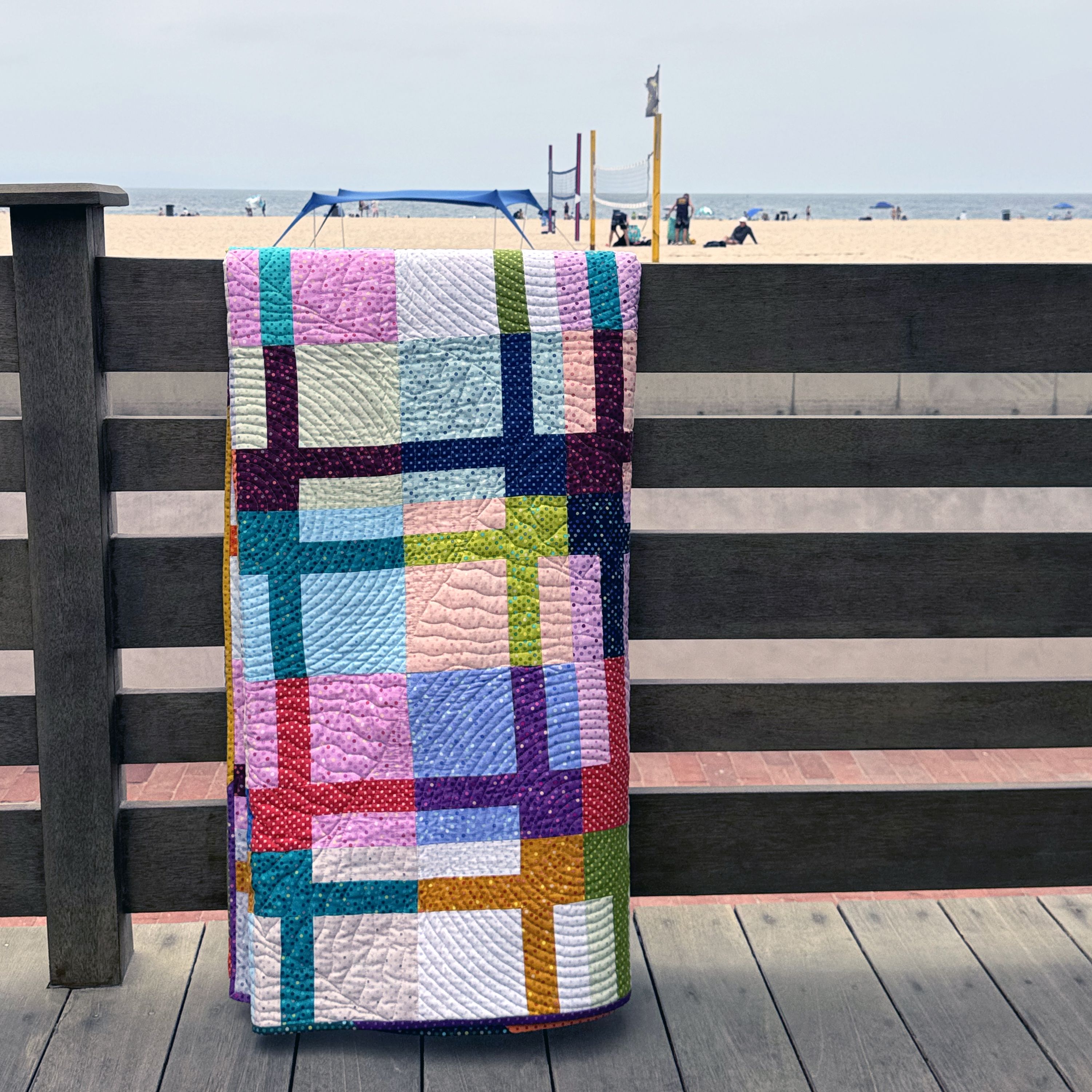
Speaking of precut friendly patterns made from light and dark, have you downloaded my FREE Puzzle Box quilt pattern? It’s made from 2 sets of 2 1/2″ wide strip rolls – half light and half dark! The picture below was taken at our favorite summer spot – Hermosa Beach in California.

Click here to get my free Puzzle Box quilt pattern emailed to you.

Puzzle Box Quilt Made from Good Vibes

Gotta Love Precuts!

Of course this quilt would look fabulous in any fabrics, but I just love the way it looks in the summery, citrus hues of my Good Vibes collection. You can grab 2 jelly rolls to make the quilt exactly as I did. Or, change things up and pair 1 jelly roll with a highly contrasting light or dark fabric that’s all the same. No matter what you do, it’s going to look great!!

Click here to get 1-2 jelly rolls to make this quilt.

Free Companion Video – Learn to Quilt Simple Wavy Lines

Nowadays, I can’t even make a quilt without recording a video while I’m machine quilting it. Nothing pleases me more than sharing my super simple domestic machine quilting techniques with all of you! Click the image below to watch my video tutorial and add this one to your quilty bucket list!

Have You Seen My Black, White & Bright Fabrics?

I have a little secret to share. I’m currently working on a followup to my popular Dazzle Dots fabric collection. But in the meantime, while I can’t share what’s new, I can revisit some of my earlier fabric collections, just in case you missed them the first time around!

Click here to view my Black, White & Bright collection.

I designed this grouping to add to my stash of black & white prints, but then threw in a few bright colors and fun backgrounds. In fact, the four prints shown below – called “Crackle” are my absolute favorites from the group.

You can use the front side shown below for a “low volume” background with a pop of color. Or turn them over and use the back side of the print to tone it down a bit. These are such high quality that they look great on either side!!

Click here to view all of my designer fabrics by the yard.

Fun Machine Quilting Video Tutorials!

And in case you missed them, I shared 2 fun videos showing how to make a couple of quilts using this collection including the machine quilting.

Click here to get the Bling quilt pattern that includes my “Hashtag” layout shown in the video below. (Click the image below to play.)

The other quilt I made from this grouping is called Blooming Wallflowers, a quilt that I’ve made in several different collections. This time around I made a scrappy version and I recorded a longer video sharing cutting tips and tricks, too!

Click here to grab my Blooming Wallflowers quilt pattern.
The click the image below to watch the companion video.

If you make either of these quilts, do let me know! I always love to see how you guys change them up and make them your own!

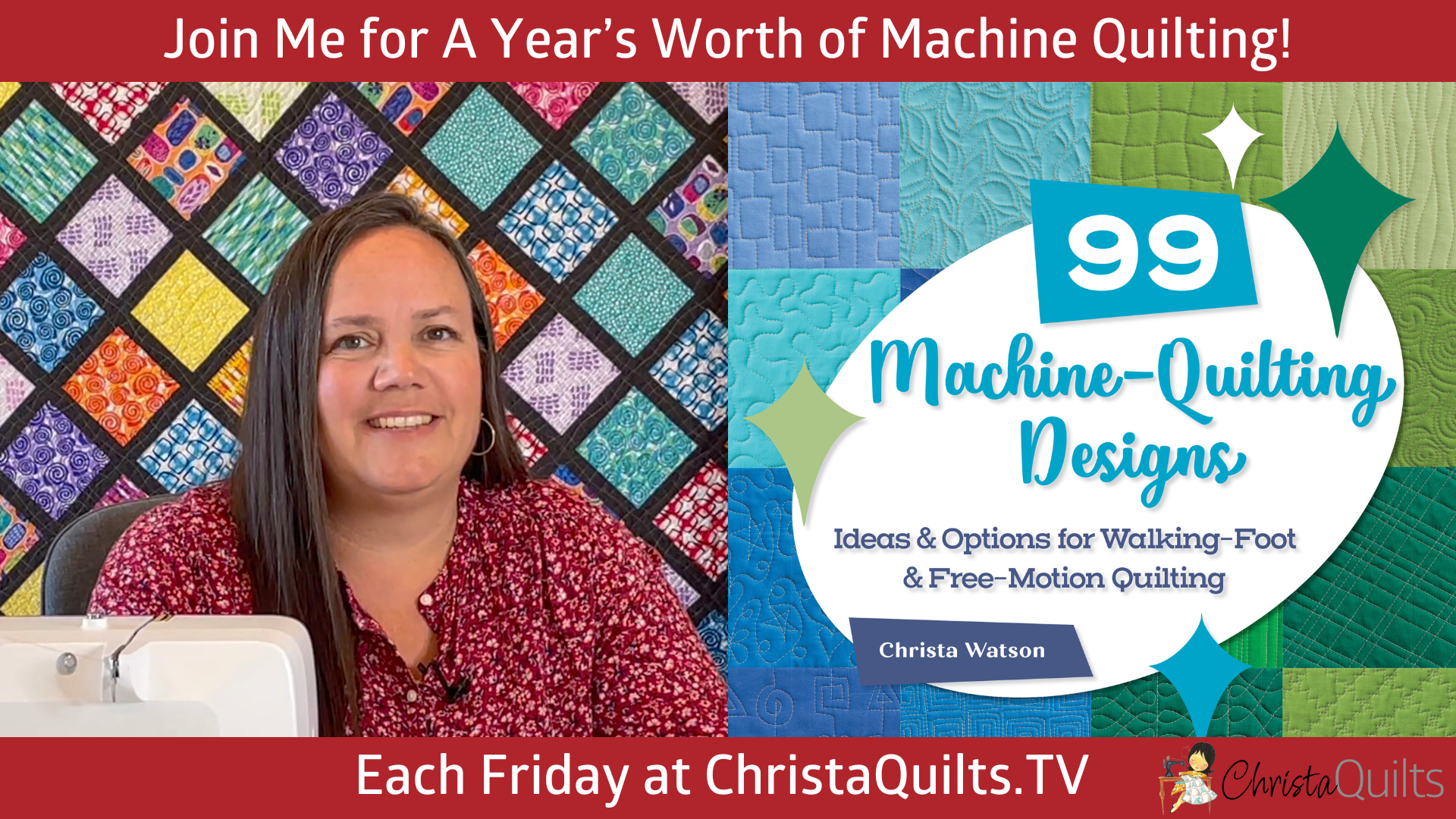
My Newest Book is Now Available: 99 Machine Quilting Designs!

I’m thrilled that my 4th book has now officially been released and I have a signed copy waiting for you! Take a look at my newest pride and joy called 99 Machine Quilting Designs from Martingale/That Patchwork Place.

99 Machine Quilting Designs

Click here to get your signed copy of 99 Machine Quilting Designs

As an author, it’s been great fun to open up boxes and boxes of my brand new book and get it out into the world.

99 Machine Quilting Designs includes a detailed photo, illustrated diagram, and step-by-step instructions on how to quilt 99 different machine quilting motifs, using walking foot AND free-motion techniques. I wrote the book from the perspective of a domestic machine quilter, but most of the designs will translate well to longarm quilting, too!

Here’s an example of one of the walking-foot designs from the book:

99 Machine Quilting Designs by Christa Watson

And here’s an example of just one of the dozens of free motion ideas in the book:

99 Machine Quilting Designs by Christa Watson

Each of the 99 designs also includes a variation to try, so it’s really like 198 designs in all! Plus there’s space on each page for you to practice your doodles and take notes right in the book! My hope is for you to get better at machine quilting by practicing as often as you can.

Here’s a video sneak peek of the book:

https://youtu.be/R8ePWv7Hwtg

To make things even more fun, I created a bunch of cute buttons to promote the book, and I’m including one with each order, along with a signed message from me.

Machine Quilting buttons

Click here to get your  bonus button + signed copy of the book!

So what are you waiting for? If you haven’t already snagged your copy, you can click here to order 99 Machine Quilting Designs. Leave a note with your order if you’d like it personalized with your name, or as a gift for a friend. I PROMISE it will make you a better machine quilter!!

99 machine quilting designs

As always, thanks for your support, and happy machine quilting!!

Machine Quilting Tips and Tricks Part 1 of 9: Introduction

Today I’m excited to kick off a 9 part series on Machine Quilting Tips and Tricks. This is something I’ve been wanting to do for a long time, especially since I’ve written and taught on this topic extensively over the last few years. This week’s post will serve as an introduction to the series, and also as the landing page where I’ll update each of the links below as they are written.

Christa Quilts

I’m also happy to answer your machine quilting questions. So don’t be shy – ask you questions in the comments and I’ll include answers in a future post! So first off all here’s the schedule:

  • Week 1 – Introduction
  • Week 2 – Tools of the Trade
  • Week 3 – Preparing the Quilt
  • Week 4 – Practice, Practice, Practice!
  • Week 5 – Make a Quilting Plan
  • Week 6 – Easy Walking Foot Designs
  • Week 7 – Easy Free Motion Designs
  • Week 8 – Custom Quilting
  • Week 9 – Wrap up and Your Questions Answered

Sewing Machine – Longarm vs. Sit Down

The very first question you’ll want to decide is whether you want to quilt on a regular home sewing machine (like I do), or if you want to purchase a specialty machine like a sit-down free motion machine or a stand up long-arm machine.

I like the feel of “scrunching and smooshing” my quilt through a regular machine, so that’s what I’m most comfortable with. Also, I like the freedom to quilt “walking-foot” designs with my feed-dogs up, or “free-motion” designs with my feed-dogs down. A free-motion only machine can be limiting, but it provides more room to quilt and can usually quilt a lot faster than a domestic home machine.

Domestic Machine Quilting
Christa Quilts

This throwback pic is from 2013 just after I got my first upgraded machine, but I still quilt the same way – in my studio while listening to music or a quilting podcast!

My recommendation is to try out both and do what feels most natural for you. Many quilters start quilting on their regular home sewing machine, then upgrade to a larger machine as they improve their skills. I’ve tried both and I prefer the feel of domestic machine quilting, so that’s mainly what the rest of this series will be about. However, if you are a longarmer, stick around – many of my tips and ideas can be easily adapted to your situation!

A great place to try out sit down “domestic” machines is at your local sewing machine dealer. I recommend visiting all of the dealers in your area and bringing in your own practice samples (or even a full sized quilt) to try out. Although I am a BERNINA ambassador and that’s my machine brand of choice, a good reliable dealer will go along way towards helping you be successful with home machine quilting. I don’t recommend buying a machine online or at a big box store, because you’re just not going to get the level or service you’ll need.

Long Arm Quilting
Vicki Ruebel Orchid Owl Quilts

My friend Vicki Ruebel of Orchid Owl Quilts in her longarm shop in Las Vegas

For long-arm machines, I highly recommend testing out all of the major brands at local or national quilt shows. They’ll usually have a full-size machine set up that you can test out, and it will be prepared with a quilt already on the machine that you can practice on. Most shows will also have great deals on machines if you purchase it at the show. So keep that in mind and don’t be afraid to attend multiple shows until your mind is made up.

Many local quilt shops now offer longarm rental service so that’s also a great way to get your feet wet before making such a large purchase.

If you want further reading on the differences between machine quilting with a longarm versus a domestic machine, be sure to check out mine and Angela Walters’ book The Ultimate Guide to Machine Quilting. It’s where we get to share the best of both worlds!The Ultimate Guide to Machine Quilting by Christa Watson and Angela Walters

Click here to grab a signed copy of our book, The Ultimate Guide to Machine Quilting.

Here are  two other fabulous longarmers I recommend following on social media: my friends Heather Black of Quiltachusetts and Vicki Ruebel of Orchid Owl Quilts. Check out their websites and instagram accounts for some fabulous long-arm quilting eye candy!

In next week’s Tools of the Trade segment, I’ll share about the specific features I prefer to have on my domestic machine that make it much easier to get the job done, so stay tuned!

Virtual Quilt Festival: Sign Up for My Classes December 3-5, 2020

I’m looking forward to teaching during Virtual Quilt Festival Dec. 3 to 5. This online event is presented by Quilts, Inc., the parent company of International Quilt Festival.

On Thursday, 12/3, I’m one of five presenters in Machine Quilting Forum I.

Focused forum of 20-minute back-to-back presentations from five top educators, including live Q&A and chat for a truly engaging experience. Download a compilation of handouts from each presenter, new ideas, and information on products and processes.

My portion is titled Christa’s Top Tips for Machine Quilting Success:

Learn to become better at quilting on your home sewing machine with Christa’s top tips for machine quilting success. A few of these include proper work station setup, choosing the right materials, how to hide your mistakes, and learning why a “can-do” attitude is the most important tool in your toolbox! If you can sketch it, you can quilt it. See Christa’s “doodle” demonstration and learn up close how practice makes progress with each and every quilt!

Other presenters are Jenny K. Lyon, Sue Nickels, Catherine Redford and Cyndi Zacheis. We’d love to have you join us!

Click here for information on how to register.


On Friday, 12/4, I’m teaching a Master Class called Modern Machine Quilting: Walking Foot Wonders.

Stitch beyond the ditch and unleash the power of your walking foot! Learn how to stitch wavy lines, decorative stitches, grids, spirals, straight-line designs, and more! Christa Watson loves to share her modern machine quilting methods which emphasize texture over perfection in a warm and encouraging manner. After viewing this master class, you’ll feel armed with the confidence that yes, you can quilt your own quilts!

Click here for information on how to register.


More information from Quilts, Inc.:

WHAT CAN I EXPECT AT VQF?

3 days of interactive content – classes, vendors, special exhibits, live connect to exhibitors and fellow VQF attendees, games, and more during show hours

3 months to continue to view beautiful quilts, experience Open Studios™, and shop the vendor mall

WHEN?

Show hours – December 3-5, 2020, 10:00 AM – 6:00 PM CST

Special Live Lecture, December 3, 2020, 6:00 – 7:00 PM CST

Quilt exhibits, Open Studios™, and Vendor Mall – December 3, 2020 – March 5, 2021

HOW WILL THE EVENT WORK VIRTUALLY?

VQF includes elements of our in-person shows – special quilt exhibits, classes, vendors – brought to you online in a mix of live and pre-recorded content. VQF is accessible from any device on the web from any computer or tablet and through an app on mobile devices.

WHEN WILL CLASSES BE?

Exciting news – Classes are available throughout show hours AND recordings of selected classes will be available for one week post-show, December 6-12, 2020.  This means you can register for any class that you might not be able to join live. It also allows you to register for more than one class that broadcasts at the same time because you can watch classes later.

IMPORTANT NOTE: A few classes will not be recorded and are only available during their scheduled time – these classes are denoted by the words “Live Viewing Only” in the class description.

I’d love to have you join me for Virtual Quilt Festival!

When you have finished the registration tutorial, you can

Click here to go to registration.


Modern Logs QAL Part 6: Free Motion Stipple Quilting

I love it when we get to the machine quilting part of a Quilt Along! I’ve just finished my fourth book on machine quilting so I feel like that is one of my specialties. I’m excited for you to try free motion stipple quilting like I did on my Modern Logs, or another quilting design of your choice.

I made a video with all my best tips and tricks for quilting Modern Logs. Just nine minutes but it’s packed full of help and guidance! Click play below to watch.


If you’ve never tried free motion quilting or a stipple (also called a meander), layer up a couple of fat quarters with batting and practice there before you start on your real quilt. You can quilt on this practice sandwich many times over, using it as a warm-up if you like.

I can’t wait to see how you decide to quilt your Modern Logs!

Click here for links to the Modern Logs quilt along.
Click here to get the Modern Logs quilt kit while supplies last.
Click here to purchase Modern Logs quilt pattern – paper version.
Click here to purchase the Modern Logs quilt pattern – PDF version.

Click here to see other people’s Modern Logs and how different and exciting they are!