Machine Quilting Tips and Tricks Series Starts Soon!

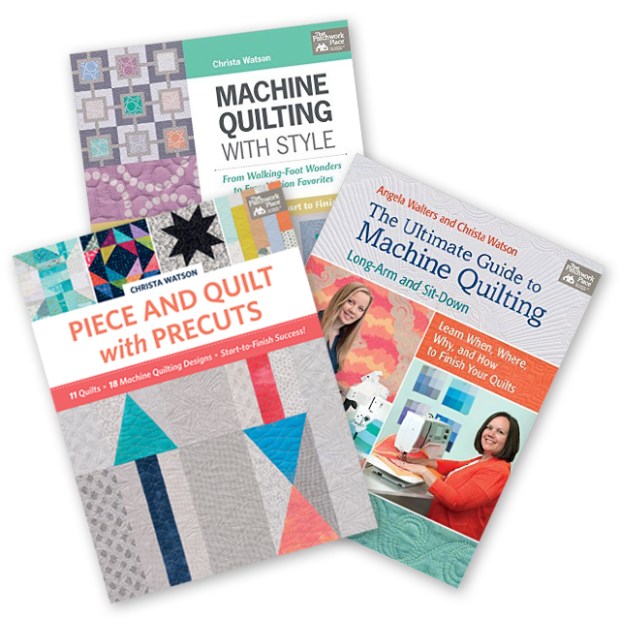
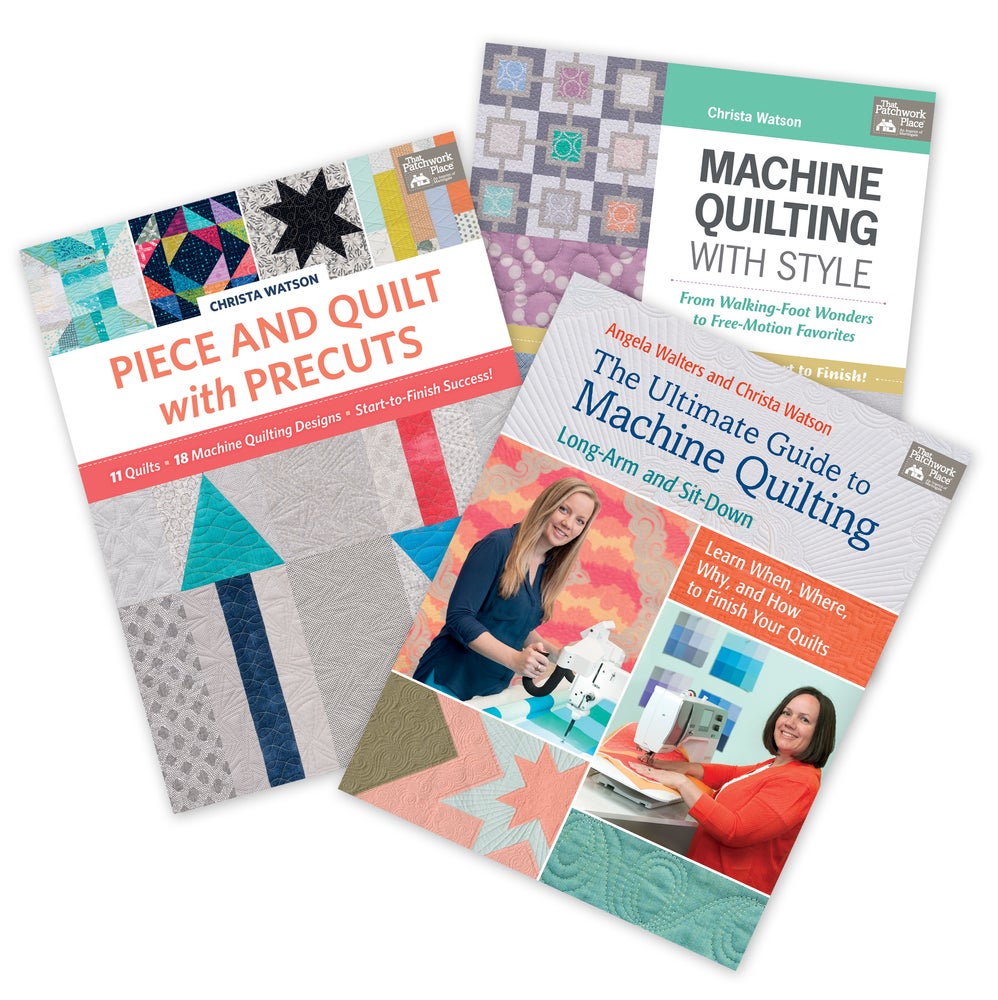
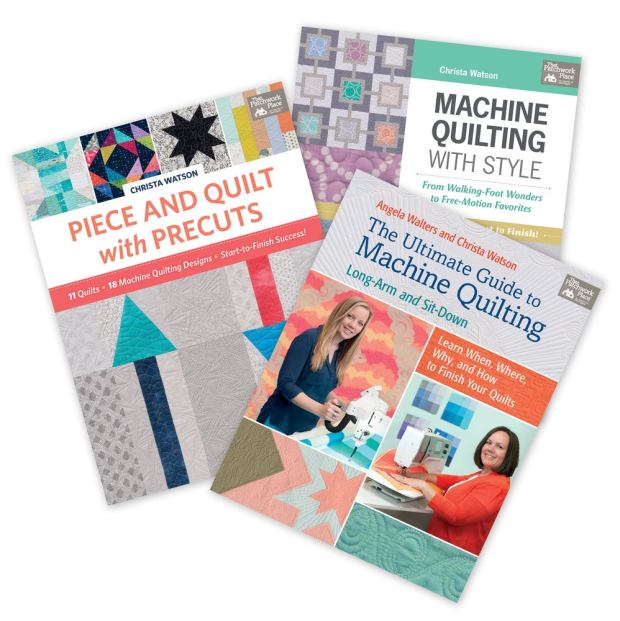
Since I know many of you can’t be with me in class in person this year, I thought I’d do the next best thing and try to share more of my my best quilting tips and tricks online. Over the next several weeks I’ll be blogging about many of my behind the scenes secrets for successful machine quilting. Most of these are ideas are also in my machine quilting books so you can grab a copy of each and follow along!

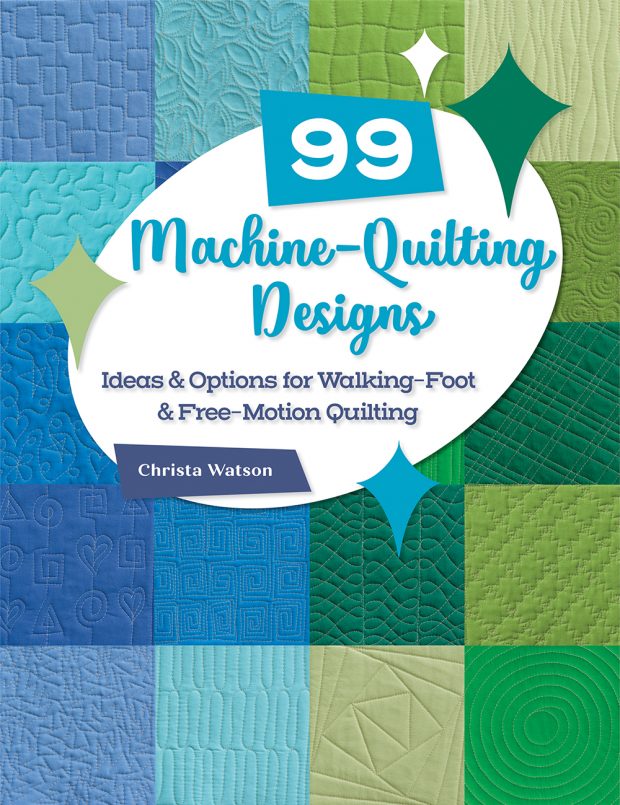
Machine Quilting Books by Christa Watson

My number one goal in teaching machine quilting is to help you understand how fun and carefree it all can be. Fortunately I WILL be doing some more online teaching soon, and my online Craftsy videos should be available soon on their revamped website, so stay tuned for that.

In addition, I’ve been creating and sharing more tutorials over on my YouTube channel, too.

Christa Quilts

So whether you are a newbie beginner, or seasoned pro – let me help you discover the joys of quilting your own quilts!! The series kicks off here on the blog starting next week so be sure to subscribe to my blog so you don’t miss a thing!

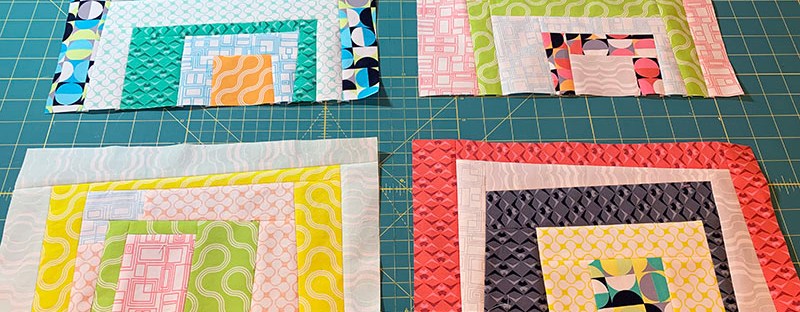
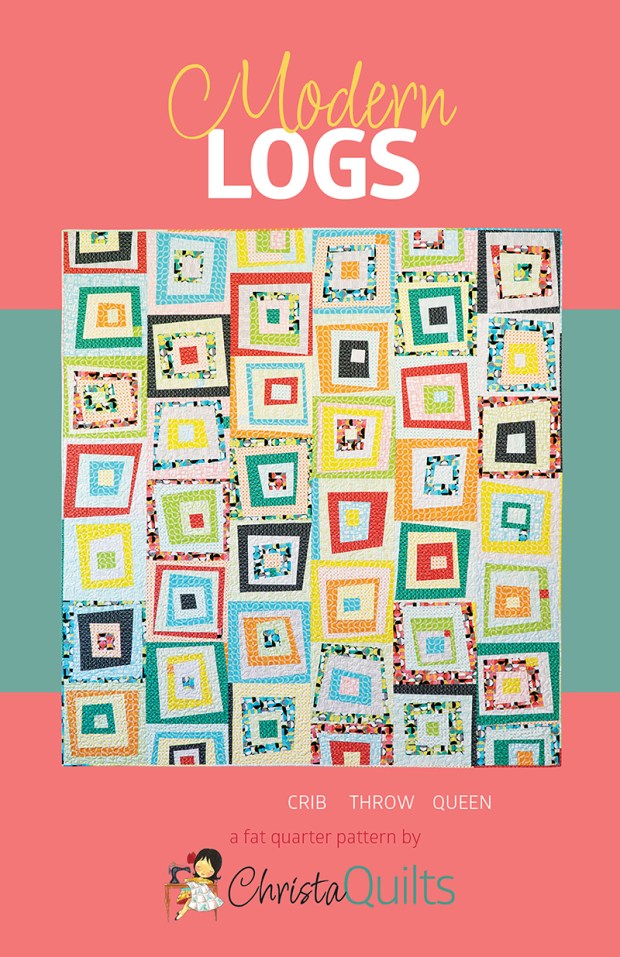
Modern Logs Partial Blocks

Virtual Classes for October’s PIQF

I’m really excited to be teaching three classes for Pacific International Quilt Festival Online, coming up Oct. 14 to 17. Registration is open and I’d love to have you join me!

Here are brief descriptions. You’ll find more complete information at the links below.

1. Free Motion Improv, Thursday evening 10/15, 4–7 PST

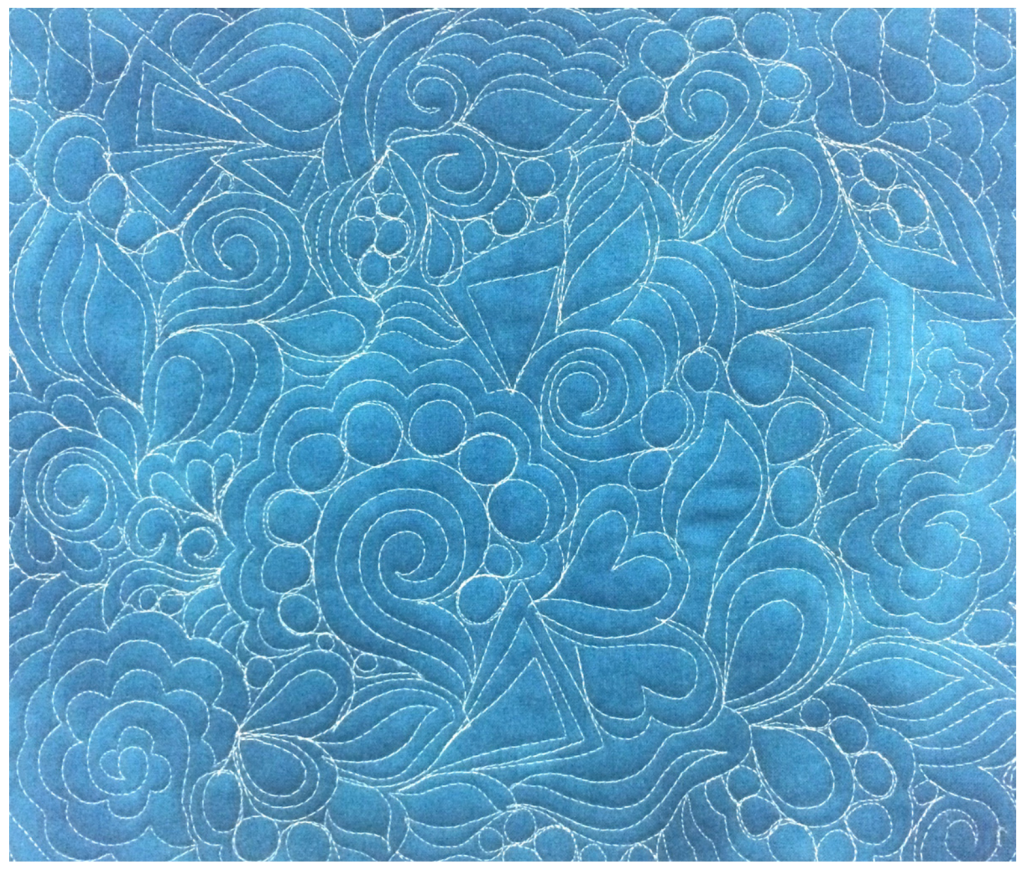
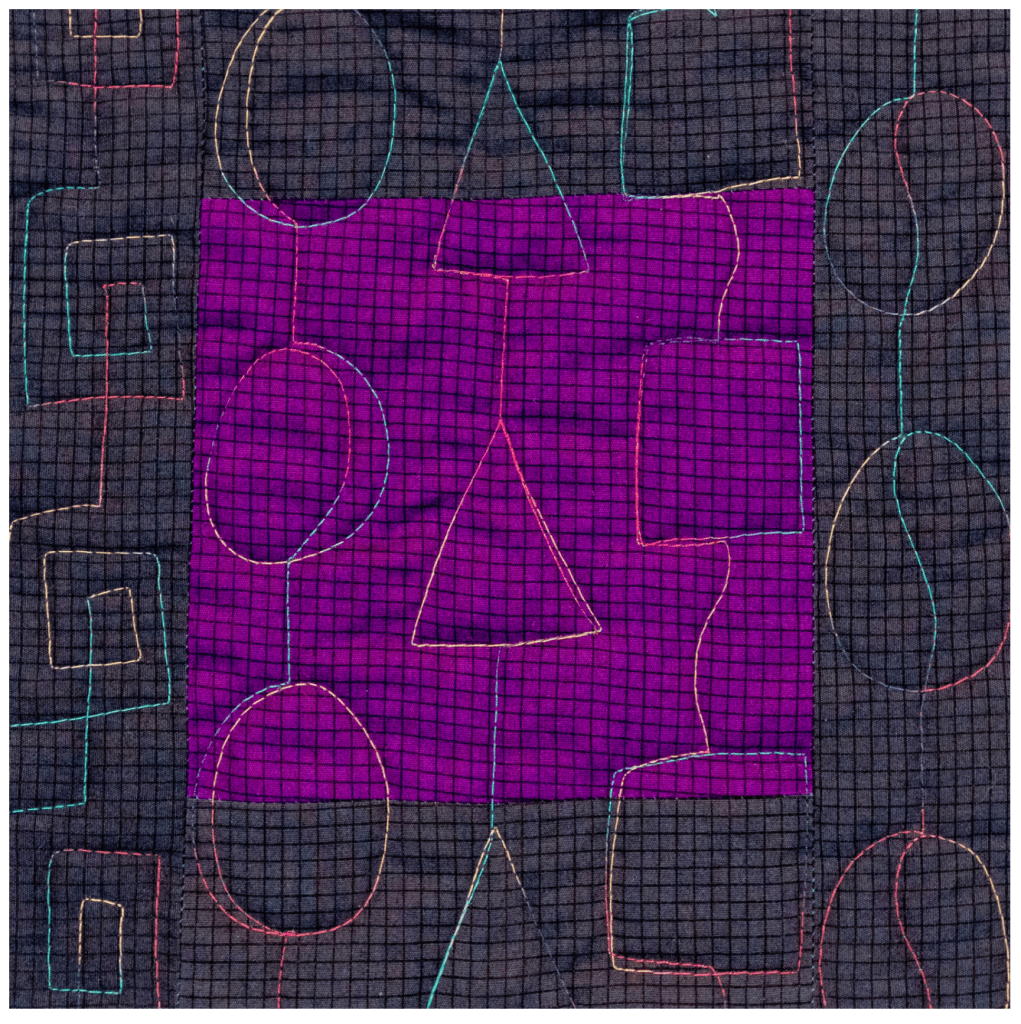
Example of my Free Motion Improv

Liberate yourself from traditional quilting symmetry by mashing up your favorite motifs in a seemingly random way. Combine basic shapes with transitional designs and free-motion fillers to add amazing texture to the negative spaces in your quilts, or create your own unique work of improvisational art. Note: Students should be comfortable with basic free-motion quilting.

Cost: $80, includes $25 kit fee, kit includes your choice of one of my machine quilting books.

Click here for Christa Watson: Free Motion Improv, Price Includes $25 Class Kit (Half Day WS, Thurs, 10/15/20, 4-PST)

2. Free Motion Quilting Designs with Lines, Friday afternoon 10/16, 12–3 PST

Example of my Free Motion Quilting Designs with Lines

Embrace the “hand-sketched” look when you learn to quilt modern geometric fillers that require little to no marking of the quilt. Go beyond the straight line when you learn how to create irregular linear motifs that look great on both traditional and contemporary quilts. Note: Students should be comfortable with basic free-motion quilting.

Cost: $80, includes $25 kit fee, kit includes your choice of one of my machine quilting books.

Click here for Christa Watson: Free Motion Quilting Designs with Lines, Price Includes $25 Class Kit (Half Day WS, Fri, 10/16/20, 12-3pm PST)

Machine Quilting Books by Christa Watson
The kits for these classes include your choice of one of my books.

3. Improv Piecing: Modern Logs, Saturday 10/17, 9–3 PST

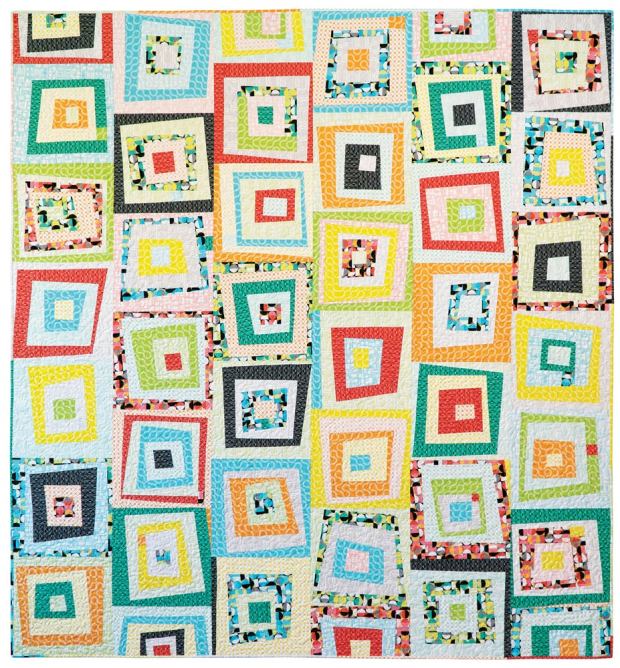
Modern Logs is made with improvisational piecing: easy and fun!

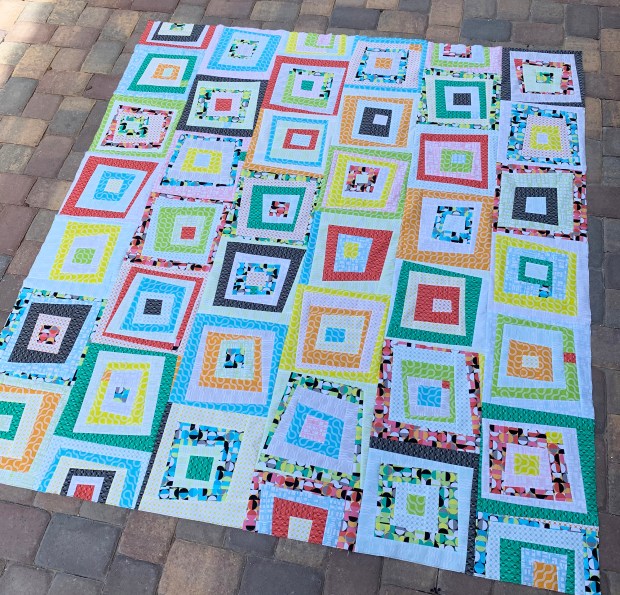
Put a modern spin on a classic block while you learn to create improvisationally pieced Log Cabin blocks. Choose two sets of fabrics that have good contrast, such as lights and darks. You’ll need 10 fat quarters of assorted lights and 10 fat quarters of assorted darks to make the 48″ x 54″ quilt. Pattern is included in the kit fee, and the pattern includes additional sizes. Suitable for all skill levels.

Click here for Christa Watson: Improv Piecing: Modern Logs, Price Includes $12 Class Kit (Full Day WS, Sat, 10/17/20, 9am-3pm PST)

Make plans to join me for virtual classes during PIQF Oct. 14 to 17. I’d love to “meet” you!

Modern Logs Quilt Top
Modern Logs made in my Good Vibes fabrics for Benartex. Available on my website, shop.christaquilts.com

Click here to shop for Good Vibes fabrics to make your own Modern Logs quilt!

Good Vibes Fat Quarters
Good Vibes by Christa Watson for Benartex

Click here to buy the Modern Logs paper pattern (not necessary if you’ll be in the class, because the pattern is included in the class fee).

Click here to buy the Modern Logs pattern instantly as a downloadable pdf.

Modern Logs by Christa Watson for Christa Quilts

Maybe you’d like to see a bit of how I machine quilt on my home sewing machine?

Check out this short video on my YouTube channel. It’s not exactly the same thing I’ll be teaching in the classes, but you’ll get an idea of my style!

I can’t wait to meet you and create some amazing things together!

Quilts Made by You!! Gotta Love the Inspiration :-)

Nothing makes my day more than seeing what you all are making with my fabrics! And I love seeing when you’ve used one of my patterns for your latest project. With so many options, it’s an honor to see these beautiful quilts and works in progress “in the wild!” 🙂

Christa Quilts Patterns

So today I thought it would be fun to do a little roundup of what you all have been making with my designer products. It makes my day to see these pop up on social media 🙂

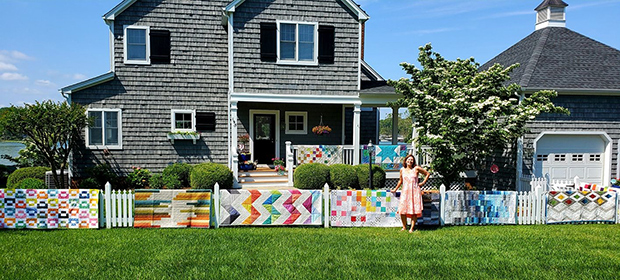
This gorgeous photo shows Kathleen Hetzler Riordan with quilts on her beautiful white fence. She says, “My street had a pop-up quilt show today and four of us who are quilters put our quilts out on our picket fence, and neighbors walked, drove and golf carted by to see them! It was very impromptu but lots of fun! Christa’s Puzzle Box is on the far left!” 

Click here to get the free Puzzle Box quilt pattern.
Kathleen Hetzler Riordan on Smith Mountain Lake, Virginia
I love this outdoor image—it shouts “Summertime!” Kathleen lives in Virginia and the quilt show took place on May 24, 2020. I’m sure it was a source of joy for many people during the pandemic. 

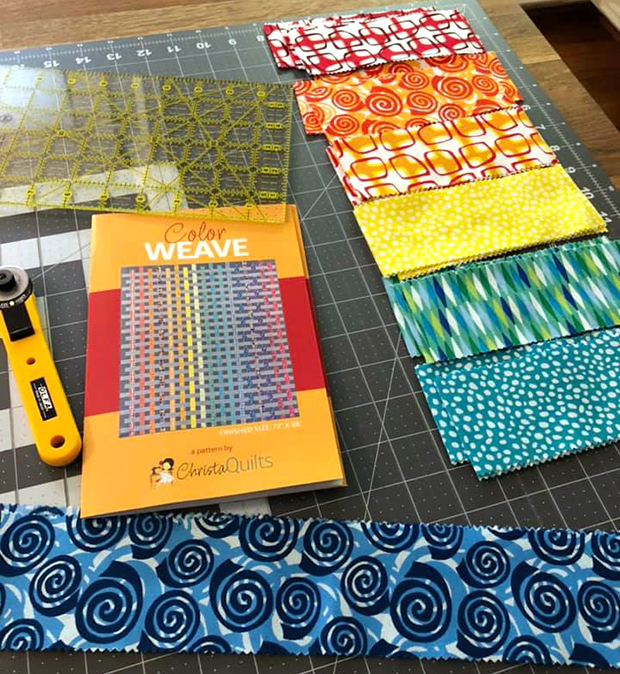
Sally J. is currently working on a baby quilt with my Color Weave pattern and Abstract Garden prints. This design is great for 2.5 strips—maybe you have a favorite sitting around just waiting to be used?! Or maybe you’d like to treat yourself to one of my colorful modern strip sets!


Megan G. used purple for her Optical Illusion quilt and I love it! This design works in so many great combinations. Pay attention to the instructions for the values of each fabric so that your illusion shows up nicely.

Here are links to all of the steps in the Optical Illusion Quilt Along that we recently wrapped up! My QAL blog posts stay up indefinitely so you can sew on your own timeline.

Optical Illusion QAL steps:

Here’s another one in progress from Kate S. I love that red and aqua combo!


Debora L shared her success in quilting continuous spirals on her black, white and gray version shown below:

 Kate S. is gets bonus points for combining fat quarters from ALL of my fabric lines to make this colorful project below:

I can’t wait to see more!!

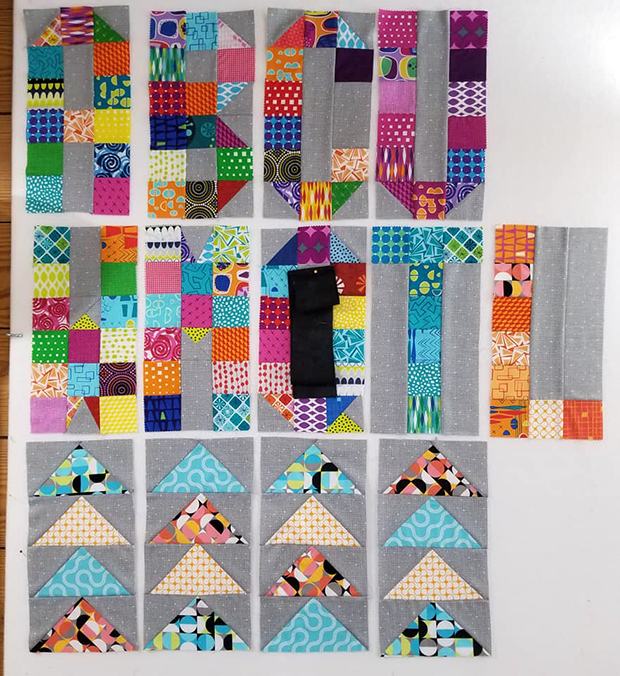
And I see Good Vibes fabrics in her stacks of Flying Geese. I wonder where this is going? I’m sure it will look amazing when finished!

How about this scrappy house quilt? Judy A. posted it in my Christa Quilts Facebook group and had this to say about it:

This is my “Village” (Miss Rosie’s Quilt Co). Mostly Christa’s fabrics plus some Patrick Lose, Allison Glass, and my stash. I can honestly say that working on this made me SO happy. 

I sure love it when I see my fabrics playing so nicely with others!!

Sandi S. in Australia is making this bright and happy number with Geo Pop fat quarters and half-square triangles. That’s some gorgeous eye candy, isn’t it?!

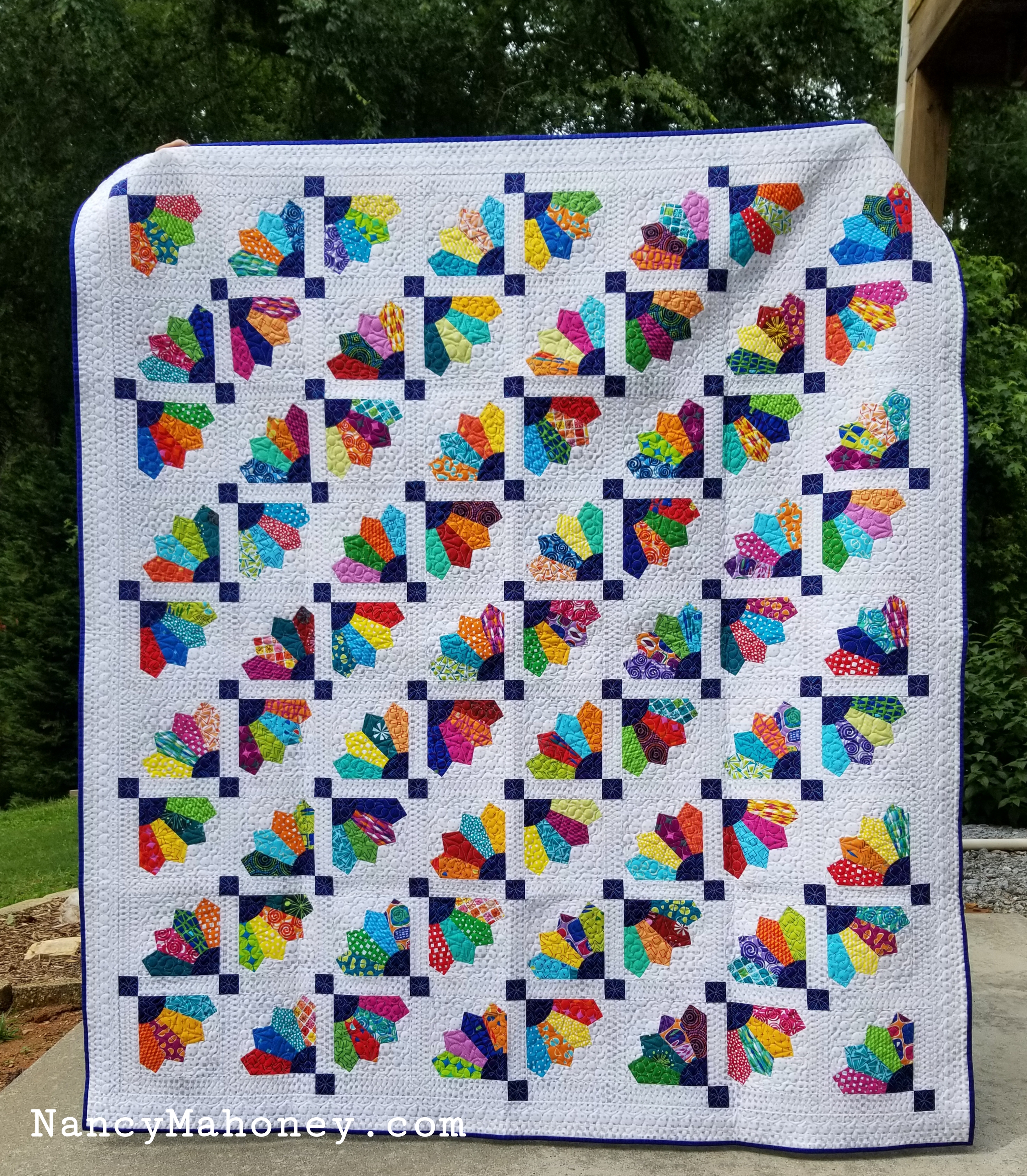
Nancy Mahoney Modern Fans

Last but not least for today, I just love this beauty above made by Nancy Mahoney. She combined a bunch of my fat quarter color bundles along with Op Squares in white from Geo Pop for the background. You can actually find the pattern for it in the July/August issue of Love of Quilting Magazine.

I so appreciate all of you! Thank you for making this the best job under the sun!

Save the Date: QuiltCon Together Registration Opens July 15

I’m so excited to be a part of this! The Modern Quilt Guild took early steps to reimagine QuiltCon as a virtual event February 18–22, 2021, and it’s going to be great!

QuiltCon Together 2021

I think that more people will actually get to participate this way. I love that The MQG made lemonade out of lemons! I’ll miss seeing everyone in person, but this is the next best thing!

I didn’t originally apply to teach for QuiltCon 2021 because we were supposed to be out of the country. But of course the pandemic changed all that.


QuiltCon Catalog

Click here to download the QuiltCon Together Catalog.

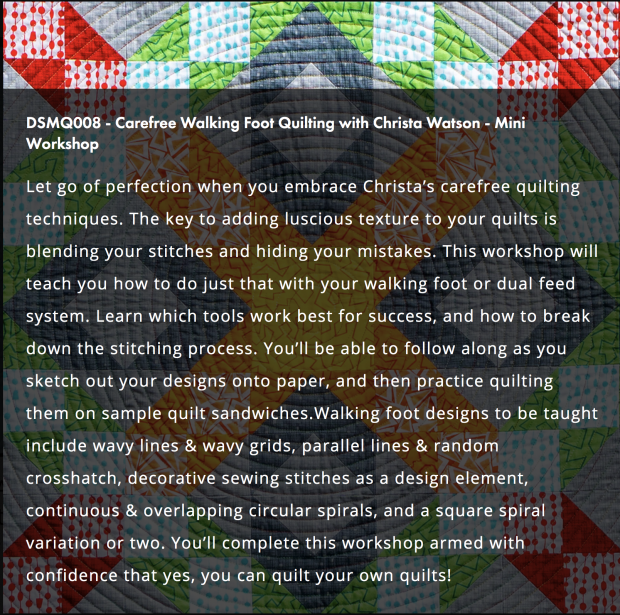
I’ll be teaching two machine quilting classes: Carefree Walking Foot Quilting and Carefree Free-Motion Quilting.

What is carefree quilting?

It’s an attitude that aims for texture over perfection and leans into the slight flaws and irregularities that occur with any handmade craft. After all, they are part of the charm!

Walking Foot Quilting

The continuous spiral is just one of the many quilting motifs we’ll learn in Carefree Walking Foot Quilting. This is a detail shot from my Sparkling Stars quilt. (Pattern available here.)

Carefree Walking Foot Quilting

Learn to stitch beyond the ditch and unleash the power of your walking foot to quilt modern or traditional designs. Walking foot motifs to be taught include wavy lines, decorative stitches, irregular grids, large continuous spirals, several straight line variations and more! You’ll leave class armed with the confidence that yes, you can quilt your own quilts!


Carefree Free-Motion Quilting

Free Motion Quilting

Here’s a detail from my Block Chain quilt. All of my patterns include machine quilting suggestions!

Embrace perfectly imperfect quilting! That means little to no marking and a whole lot of gorgeous texture. Ease into free-motion quilting with asymmetrical wavy lines, then move onto loops, traditional and modern stippling, plus curvy fillers like wishbones and cursive l’s that can expand to fit any space. Finish it off with several swirl variations, and you’ve got a toolbox of motifs to try on your next quilt!

Students should be comfortable with their sewing machines, and will practice on their own pre-basted fabric and batting samples. The best part is that it will be a pre-recorded video that you can watch all through the event!

Books by Christa Watson

Both classes are based on ideas presented in my machine quilting books. Each book includes full patterns for each quilt (10–12 per book) along with detailed step-by-step machine quilting instructions. All three books include walking foot techniques and free-motion motifs.

Get a signed copy of any of my books for just $19.95 from my shop. 

Both of my classes are “Mini Workshops,” which means they will focus on technique, allow you to learn a new technique, practice a technique that needs work, or just gain tips and tricks from a technique expert. Each Mini Workshop consists of at least 35 minutes of video content in segments of on-demand education, as well as at least one homework assignment to help you practice your new skills. Each Mini Workshop will allow students the ability to type questions to their instructors in the online platform as they work through the class.

You will also have the option to upgrade your Mini Workshop to spend one 45-minute session live with me to ask for help or feedback on your project in a small group setting.

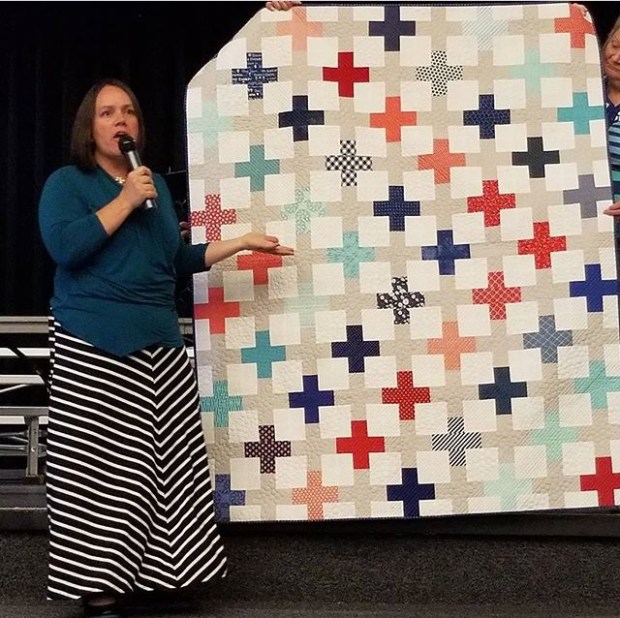
LECTURE/TRUNK SHOW: HOW DO I QUILT IT?

The secret to successful quilting is in the planning and preparation. I’ll guide you through the steps I take to make each quilting experience fun and stress free.

Christa Watson Trunk Show

Once you see my methods, you’ll feel empowered to quilt your own quilts! Learn how I baste my quilts, make a quilting plan, choose thread colors, divide and conquer each task, and apply rich texture with little to no marking of the quilt. I’m also excited to share my quilts and answer any questions you may have.


LE 17 Quilting perspectives

I’m also excited to be part of a machine quilting panel about our quilting plans and processes, and how we approach a finished top. Hand quilting, machine quilting, and long arm quilting will all be represented on the panel from me, Tia Curtis, Sandra Johnson, and Riane Menardi Morrison. It will take place online live at 11 AM on Saturday, February 20.

I would be honored to have you in my classes and lecture at QuiltCon Together.

Registration for members opens July 15 at 10 am Eastern. 

Click here to Learn more about The Modern Quilt Guild! 

Open Letter to My Online Quilting Students…

Dear Valued Student:

I deeply and sincerely apologize if you have sought out my quilting advice or asked for help in an online teaching platform and never received a response from me. Due to this being completely out of my control, I am just now discovering hundreds of comments, questions, and conversations addressed to me that I never received until now (March 10, 2020). Many of these unanswered replies have kept you waiting for 1-2 years or even longer.

As I wade through a mountain of unanswered queries, I ache for those of you who simply thought I wasn’t interested enough to answer, or took my silence to mean I didn’t care about you. Reading comments like “Seems like she doesn’t want to answer our question, it’s been aaaaages ago!!!!!” or “Is anyone there?????” truly breaks my heart!

Sadly, many of you may not even see this, as you probably gave up and unfollowed me long ago. Please know that I *do* care, and would NEVER intentionally treat any of my students this way.

Rest assured that I WILL personally respond to you although I’m not “contractually” obligated to do so. I pride myself on being the best teacher I can and giving help to anyone who asks, whether I’m paid for it or not.

You were counting on me when you viewed my class, and from your point of view, it seems as if I let you down. I’ll keep my fingers crossed that this reaches as many of my students as possible. I’m here for you now, and always! 🙂

Sincerely, Christa Watson

Christa Quilts

Stock up on My Books Before the Next one Releases!

Can I share a secret with you? I’ve been working behind the scenes on my next book and I can’t wait to share it with you! However, before I give any sneak peeks, I want to offer  signed copies of my current books at a discount when you enter code BOOK at checkout . It’s my way of encouraging you to update your machine quilting library with any of my current titles that you don’t yet own.

Books by Christa Watson

Click here to get your signed copy of my books while supplies last.

I really enjoyed writing Machine Quilting with Style, The Ultimate Guide to Machine Quilting, and Piece and Quilt with Precuts, one right after the other! Then I took a break from book writing to start designing fabric. Now that I’ve been able to successfully work that into my busy life, it’s time to get back to books once again.

All 3 of my current books teach you how to make a complete quilt from start to finish, with thorough piecing instructions, plus step by step machine quilting diagrams which you can mix and match among all of the projects. Here’s a favorite quilt from each book:

Facets from Machine Quilting with Style

Facets Quilt

This was the very first quilt I ever designed for the book and I loved making my own fabric using solid scraps and improv piecing! I was thrilled when it won a ribbon in the modern category at Paducah – even though it’s far from perfect. But it’s full of yummy quilting goodness which gives it that special wow factor!

PlumB Lines from The Ultimate guide to Machine Quilting

Plumb Lines Quilt

This is the most modern quilt in the book and it was designed by my co-author Angela Walters. We each made the same 10 quilts using different fabrics and completely different machine quilting designs. So there’s loads of inspiration for all types of quilts from modern to traditional and everything in between!

Star Struck from Piece and Quilt with Precuts

Starstruck by Christa Watson from Piece and Quilt with Precuts

Above is the original version in black and white as shown in the book. Below is my remake of the exact same quilt using  my Modern Marks fat quarters in bright bold colors. Isn’t amazing how different the same quilt can look, depending on the fabrics you choose? Modern Starstuck by Christa Watson

See All of the Quilts from my books

I created a gallery of all the quilts from my books including remakes of many of them in other color. I included a total of 64 images to inspire and delight.

Click here to view them all!

Christa Watson trunk show of quilts

A recent display of quilts from my books and patterns – I pieced and quilted every single one!

I hope you are excited to stock up on my books to complete your set, or buy an extra copy for a friend who’d would like to develop their machine quilting skills.

Click here to purchase any of my books while supplies last.

How to Make a Quilting Plan for Your Quilt

Since we are getting ready to quilt our quilts for the Color Weave Quilt Along, I thought it would be helpful to discuss how I make a quilting plan, using examples of some of my previous quilts. Then it will make more sense when I write about machine quilting for the next installment of Color Weave. For those of you NOT doing the quilt along, this info is still helpful for any quilt you make!

Machine Quilting Color Weave

Machine quilting my Color Weave quilt.

I’ve had fun sharing my methods in three machine quilting books I’ve written along with my online classes through Bluprint (formerly Craftsy). Each of these resources includes not only step-by-step patterns for piecing a quilt; each pattern also includes a complete quilting plan with instructions on how to finish your quilt!

Christa Quilts Machine Quilting Books

Today I’ll share a several quilting plans and explain how I break down the quilting process. Then hopefully, you’ll be able to incorporate some of my methods into your own work.  But first, before we even get to that part, you’ll need to get your quilt ready for quilting. Be sure to check out my earlier post from this week about preparing the backing and basting – which works for any quilt!

Hobbs Batting Cotton/Wool

Click here for my pieced backing and spray basting tutorial.

When I’m making a plan, the first question I always ask is, what’s the purpose of the quilt and how much time do I have to finish? For example, If it’s for a baby shower coming up this weekend, I’ll stick with fast and simple quilting, like an allover design. Here’s a simple block quilting plan showcasing one of my go-to modern quilting motifs: boxes. The plan is more of a guideline of how to work my way around the quilt rather than an exact replica of the stitching I’ll do.

Allover Free-Motion Quilting Plan

First, I will draw the design on paper to get a feel for how it will flow across the quilt. Then I’ll quilt it out on a practice block, or even a scrap of fabric and batting to check thread color and tension. Finally, I’ll apply the design to the actual quilt.

To quilt an allover quilting design, pick a favorite free-motion motif and quilt the design randomly from edge to edge, regardless of the pieced design. It’s fast, fun and easy to do, and by the time you reach the end, you’ll be an expert at that design! I quilted the free-motion design shown above, on my quilt “Stepping Stones“, below:

Stepping Stones by Christa Watson

Click here to get the Stepping Stones quilt patten for just $6.95 while supplies last.

To make a plan for an allover design, I always start quilting on the right side of my quilt and work my way towards the middle. When the quilt gets too bulky, I rotate it 180 degrees and then finishing quilting from the middle to the other edge of the quilt. It’s much, much easier to start quilting when there’s no bulk under the machine, and you work your way across the quilt a few inches at a time.

By the time you’ve reached the bulkiest part in the center, it’s time to rotate the quilt, and then it gets less bulky again as you work your way across the other way. As long as you’ve done a good job basting your quilt, there’s no need to start in the center and stress yourself out with all of that bulk to begin with!

Stepping Stones Quilt Pattern by Christa Watson of Christa Quilts

Here’s what the quilting looks like on the actual finished quilt. Remember, I didn’t try to replicate the design exactly, I just meandered my way across the quilt in an organized manner, block by block. Like everything I design, my Stepping Stones quilt pattern includes instructions for both piecing AND quilting.

Allover Walking Foot Quilting Plan

You can also use the edge-to-edge quilting process with walking foot quilting, by using a process  I call “divide and conquer” – or breaking down the quilting design into smaller manageable chunks. I still start on the right-hand side of the quilt work my way across towards the center, rotate, and then continue from the center to the other side. In this example, I’m planning to quilt a wavy line design “near” the ditch rather than “in” the ditch because wavy lines are much faster AND easier to quilt than straight ones!

I’ll quilt my wavy lines in one direction for all of the vertical seam intersections, and the spacing will depend on how wide the blocks are. This first pass across the quilt is called “anchor” quilting and will secure the quilt for additional quilting later on. It also distributes the density of quilting evenly across the quilt.

First, I sketch out my plan on an image of the pieced quilt design. You can print off a digital image of the quilt if it’s something you designed in Electric Quilt (or other design software). You could also make a photocopy of a sketch or pattern cover and blow it up big enough for you to draw on. You could even take a picture of of the finished quilt top and then print it out in black and white on a regular size piece of paper, too.

Once I’ve quilted the first pass across the quilt, I’ll quilt  more wavy lines in between until I’m happy with the final line spacing. When planning a quilt, I won’t necessarily draw in all of the lines, but I’ll sketch enough of them to remind myself of what I’m doing. You can follow the exact same plan above using straight lines, wavy lines, or even decorative stitches on your sewing machine.

Here’s me putting the quilting plan into practice, “scrunching and smooshing” the quilt under the machine as I go. Look closely near the bottom of the image to see how I’m filling in lines of quilting between each of the “anchor” lines.

The quilt shown is called “Modern Puzzle” showcasing jelly rolls of my fabric, but of course it would look fabulous in any fabrics. It’s the perfect pattern to practice your “divide-and-conquer skills!” The best thing about quilting several passes across the quilt is that you can decide to stop at any time, once you are happy with the spacing of your quilted lines.

Custom Quilting Plan

Now, If I want to spend more time quilting a special quilt, I’ll do custom quilting, combining both walking foot quilting and free motion motifs. To divide and conquer the process, I’ll break the quilt down visually into these elements: the ditch, the blocks, and the background. Then I’ll quilt something different in each section.

Here’s an example quilting plan for my free quilt pattern “Beaded Lanterns” – made from one strip roll of my Fandangle fabric line.

Step 1 – Stitch in the ditch between each row of blocks. Here, I’m treating each row of blocks as one unit so I’m basically outlining the shape of the blocks while stitching the vertical ditches. However, I’m NOT stitching the horizontal ditches so that I don’t have to stop and start as much.

Optional: Echo the ditch to further separate the elements of the quilt. This is also called outline quilting or channel quilting and will help provide more contrast between the blocks and the background, separating the quilting designs so they’ll stand out more.

Step 2 – Free-motion quilt “something” in the background. By this, I mean pick ANY free-motion motif you like and quilt it in all the background areas. I happen to really like quilting pebbles in defined areas so I use them a lot. Remember, this isn’t an exact replica of what each stitch motif will look like. It’s just a roadmap that will tell me which design goes where.

Step 3 – Free-motion quilt a different design in all of the blocks. The fun part is figuring out different combinations of designs you like, and there’s no right or wrong answer! Because my background had dense curved pebbles, I chose something more linear and slightly less dense in the blocks to create contrast between the two designs. Because the blocks are made from busy prints, the quilting won’t show up as much so it’s a great place to practice a fun design that doesn’t have to be perfect!

Remember, for each pass across the quilt (ditch, echo, background, blocks) I’m working from the right side of the quilt towards the middle, rotating the quilt, and then working from the middle to the other side of the quilt. I only concentrate on one section of the quilt at a time, and reposition my hands whenever I feel like I’m reaching. By breaking down each step of the quilting plan, the whole process seems much less overwhelming.

Simpler Custom Plan

I’ll share one final quilting plan that’s a bit simpler to execute, but still gives a custom look. This is the plan I created and included in my “Positive Direction” quilt pattern. It’s a combination of straight lines and pebbles which emphasize the subtle arrow design made by the color arrangement of the pieced plus blocks.

I quilted all of the straight lines with a walking foot first, and then filled them in with additional straight lines until I was happy with the spacing. Then, in the remaining areas, I filled in the rest with free-motion quilting.

And here’s what the finished quilt looks like below. The quilting adds yummy texture, but doesn’t overwhelm the pieced design. After all, the more quilting you add, the less you see the individual stitches.

Click here to get the Positive Direction quilt patten for just $6.95 while supplies last.

I hope this gets you excited to break down the process, and not be afraid to dive in and quilt your own quilts. If you’d like for me to cheer you on in your machine quilting journey, be sure to join my Quilt Along email list where I’ll share lots of tips and tricks for quilts we can make together! You can also catch me on instagram @christaquilts where I usually show what I’m working on in real time. Happy quilting!

Come See Me at Dave’s BERNINA in Utah August 7-10!

I love teaching machine quilting, and it’s always extra special when I get to teach at BERNINA dealerships around the country. This August 7-10, 2019, I invite you to come see me at either location of Dave’s BERNINA, one of the top BERNINA dealerships in the entire country!

Christa Watson Quilts

I love my BERNINA!! But my students can be successful on any machine!

Teaching in Provo, UT

I’ll be making my first stop at Dave’s BERNINA in Provo where I’ll be presenting my popular lecture and trunk show, “How Do I Quilt It?” on Wednesday, August 7 at 6:30 PM. The following day on Thursday, August 8, I’ll be teaching a full day of machine quilting where students will learn how to improve their skills with Walking Foot Wonders and Free Motion Favorites.

Dave’s BERNINA is offering a terrific deal: a workshop & lecture combo for just $99. You can also sign up for the lecture only for just $25.

Click here to sign up for my quilting workshop & lecture in Provo.
Click here to sign up for the lecture/trunk show only in Provo.

You can also contact Dave’s BERNINA Provo to register by phone (801) 374-5520 or email: info@davesbernina.com.

Teaching in St. George, UT

On Friday, August 9th, I’ll travel to the St. George location and repeat the same series with the lecture on Friday evening followed by the full-day class on Saturday, August 10th.

Click here to sign up for my quilting workshop & lecture in St. George.
Click here to sign up for the lecture/trunk show only in St. George.

You can also contact Dave’s BERNINA St. George to register by phone (435) 656-1498 or email: info@davesbernina.com

Christa and Maudie at Market

It was fun to catch up with Maudie Borget at market who oversees the St. George location. 🙂

I’m very excited for my local friends and fans who’ve been begging me to teach closer to home (in Las Vegas). This is the closest I’ll get for a couple of years, so be sure to join me if you can!

Click here for my current teaching schedule. I may be coming to an event near you!

Tips for Making Geese in the Garden – Part 2 of 2

I’m excited to share with you how I quilted my Geese in the Garden quilts – using two different but super simple and fun walking foot quilting designs. These are designs that I teach in my quilting classes and they can also be found in my books Piece and Quilt with Precuts and Machine Quilting with Style.

Wavy Line Quilting on Geese in the Garden

Wavy Line Quilting on Geese in the Garden – Warm

Most people think that stitch in the ditch is the easiest thing you can do with your walking foot, but wavy lines “near” the ditch are much easier to accomplish. Then, when you are ready to tackle straight line quilting, embrace unmarked, uneven line spacing for a quicker finish!

Straight Line quilting on geese in the garden by Christa Watson

Irregular Parallel Lines on Geese in the Garden – Cool

Make a Quilting Plan

I originally developed the idea to make a quilting plan in my books, then refined my technique so that I could clearly teach it to others in my online video class – The Quilter’s Path. In a nutshell, I like to draw my designs out on an image of the finished quilt top to see how it will look before I quilt the quilt. Below is the quilting plan for both quilts, which is included in my Geese in the Garden quilt pattern.

Make a quilting plan

The reason I like to quilt irregularly spaced, imperfect lines is because I know I’m going to “mess up” anyway, so why not build it into the design? After all – you know what they say: do something once and it could be a “mistake.” But do it two or more times and it’s a design element! Plus, it’s a lot faster to quilt imperfect lines than perfect ones!

Thread Choice

I recently released my new thread kit with Aurifil – The Varigated collection and was super excited to try some of my new colors out on these quilts.

Variegated collection by Christa Watson

Click here to get my Aurifil thread collection.

Because the prints are so colorful and busy, a variegated thread looks great and helps blend everything together. I chose Stone Washed Denim #3770 for the cool version. Even though it looks like a solid colored thread, it has subtle color changes that will look great on this quilt. Because it’s more on the pastel side, it also blends in with the rest of the prints.

Aurifil thread

For the warm version, I selected #3840 French Lilac. The purply-pinks blend beautifully and add wonderful texture. When choosing colors, I lay the spool across the quilt and see which color disappears into the quilt the most. If I’m not using and exact matching thread, I’ll usually go a shade lighter rather than darker, as that seems to blend in the best.

Pink Variegated Thread from Aurifil

To do the actual quilting, first I quilt a series of “anchor” lines to secure the quilt. These can be lines in, or near, the ditch, randomly spaced across the quilt to prevent it from shifting. Then I fill in with additional lines as desired.

Check out this video of me quilting the warm version with a simple wavy line design, following the pieced design of the quilt. I’m using my BERNINA dual feed, which acts just like a walking foot, but allows me to use different feet on my machine.

For the cool version, I used painter’s tape in some of the areas to divid up the space and give me nice, crips lines. When stitching right next to the tape, I have to be careful not to stitch it to the quilt!

Geese in the GArden quilting

Once I’ve established a few anchor lines, I’ll fill in between the lines at random intervals, using the edge of my foot as a guideline for spacing. Here’s another short video of my quilting the cool version, adding more lines in between previously spaced lines:

Finally, I prefer to bind my quilts by hand because I love the clean look it gives to them. Here’s a final video showing how I make each stitch by hand, once it’s been sewn onto the quilt by machine. (See links at the end for my full binding tutorial.)

Binding a quilt

Here’s a short video showing how I stitch the binding by hand to finish:

I really enjoyed sharing more behind the scenes of making this quilt. To help support the time it takes to create these posts, please use the links below to purchase the pattern, or find my entire pattern and fabric line at shop.ChristaQuilts.com. Many thanks!!

Geese in the Garden Quilt Pattern

Helpful Links

Dot ‘n’ Dash Quilt Along Week 8 – Machine Quilting Part 3: Double L’s

Good news! I’ve restocked the Dot ‘n Dash Kit in the light gray colorway.
Click here to order or visit shop.christaquilts.com.

I’m so glad we spent a little extra time machine quilting this quilt. Making a quilt from start to finish isn’t hard – it just takes a little time to break down the steps into doable chunks of time. This week we are going to finish up the quilting with a fun free-motion variation inspired by one of the quilting designs from my third book, Piece and Quilt with Precuts.

Free Motion quilting on Dot n Dash by Christa Watson

I’m all about perfectly imperfect texture in my quilts!

I like to quilt my quilts densely to add amazing texture and the more they are loved, used and washed, the softer they’ll get!

After quilting the double zig-zags last week, it’s time to tackle the “Double L’s” motif this week. These are based based on the “Cursive L’s” motif as shown in the Arrows quilt on pages 78-85 of the book, and also on the cover.

Free Motion quilting

Arrows is the cover quilt from Piece and Quilt with Precuts.

Sketch it. Then quilt it.

I’ve also used this design in a slightly different way on Twinkling Diamonds found on pages 56-63. So take a look at the quilting plans for those quilts to give you a better understanding of how to form the design.

The first thing I do when figuring out any design is sketch it first on paper. You can see in my rough drawing below, I tried a couple of different versions of the cursive L’s.

Sketch it. Then Quilt it.

Sketch it – then quilt it!

 At first I thought I would quilt the L’s and then echo them, but when I tried that on a practice sample, it didn’t look so good. I also thought of doing a more linear geometric version (in the upper left of my sketch) but that wasn’t right either. So I opted for two rows of cursive L’s, overlapping each other just like I overlapped the modern zig-zags in the gray areas of the quilt.

I tried quilting the L’s both horizontally and vertically and found it much easier to rotate the quilt so that I was quilting them vertically, from top to bottom in each row across the quilt.

Free Motion Quilting on Dot n Dash Quilt

I’ve rotated the quilt so I can quilt each row from top to bottom.

First Pass Across the Quilt

First, I did one pass of Cursive L’s across the quilt, starting on the upper right of the quilt, quilting one row at a time from top to bottom, and working my way toward the center. Once the quilt got too bulky in the middle, I rotated it and started from where I left off (center, top) to the other side of the quilt.

I’m using the same Aurifil gray thread (top and bobbin) that I’ve used for the whole quilt, and it blended in nicely on all the different Fandangle fabrics.

Cursive L's Free-motion quilting

Cursive L’s quilting – 1st pass across the quilt. Notice the gaps between the loops.

I recommend practicing a couple of times on scrap fabric and batting to get the hang of how you’ll form the design.

I’m not at all worried about the spacing of each motif or whether or not all of the loops are perfectly smooth. I’m aiming for texture over perfection. To get from one strip unit to the next, I’ll aim for the corner, or I’ll backtrack in the seam as needed to get to the next section to quilt. Notice that I’m treating the pieced units and the small gray background square as one area to quilt.

Cursive L's Free-Motion quilting

Head for the corners, or backtrack in the seams to get to each new section to quilt.

After the first row of Cursive L’s, I repeated the process, adding another row of L’s on top of the first row, intersecting the lines and quilting the design in opposite directions.

I squeezed in the second set of loops in the gaps between the previous loops. This added more texture and also made the imperfections less noticeable.

Second Pass Across the Quilt

Cursive L's detail quilting

Squeeze the second round of quilting in between the gaps of the first.

The more quilting you add to the quilt, the more thread you’ll use of course. So I would check your bobbin level at the end of a row of quilting and change it out as soon as it looks low (or pay attention to your bobbin indicator light if you have one on your machine).

Don’t play bobbin chicken!! I’d rather have a little leftover bobbin than run out in the middle of the quilt. If you are using cotton thread in your bobbin, you can always use the leftovers when piecing your next quilt.

Cursive L's Dense Quilting

I love using soft 100% cotton thread and natural fiber batting for my quilts.
This allows me to quilt densely while still ensuring a cuddly quilt!

Quilting Homework

Finish quilting the quilt! Feel free to mix and match quilting motifs from my books, or use some of your favorite designs. However you decided to quilt it, please share your quilt in progress in my Facebook group and on instragram #dotndashqal. I love seeing everyone’s work!

Next week, we’ll trim up the quilt and bind it to finish. I can’t wait!

Quilting at the Beach

I love how these surfboards at the beach match the coloring of my quilt!

Click here for the quilt along schedule, supply list, and links to all the tutorials.
Click here to purchase Fandangle precuts and coordinating yardage.