Answers to Your Machine Quilting Challenges – part 2

Last week in part 1, I began this series to help troubleshoot the most common machine quilting challenges I hear from you all. I got a whole list of them via my followers on Instagram. I’ll continue to post this weekly series until I’ve gone through them all. Hopefully you’ll pick up a few tips that will encourage you and help improve your quilting skills.
quilting-table

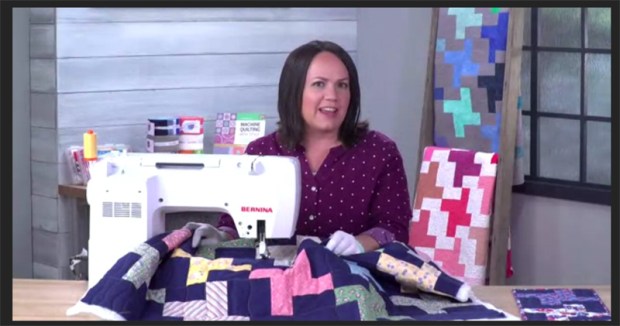
Image from my Craftsy class The Quilter’s Path: Design It, Stitch It, Quilt It.

Problem: Not having a table flush with the bed of your machine.
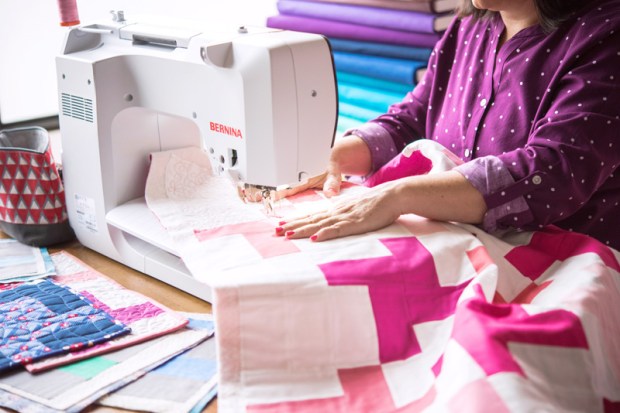
My Suggestion: While it’s true that it helps to have a nice flat space for quilting, if you look closely at the images from my Craftsy class, you’ll notice that I quilted the whole time on a regular counter-top surface with my machine set on top of it. Google “sewing machine extension table” to find a wealth of resources for custom inserts and extensions. Using a large table will be more beneficial in the long run and you can always build up the area around your machine using styrofoam or heavy books. A small table or adjustable ironing board set up to your left, forming an “L” shape, will help keep the weight of the quilt from dragging, too!

Problem: Not feeling brave enough to to try something new.
My suggestion: Just go for it and don’t look back. Challenge yourself to make a small quilt as a gift or charity donation. Resolve to try a new design or technique and don’t stop until you finish! Then give it away so you never have to see it again. I promise the next one will be sooo much easier!!

Problem: Messy starts and stops.
My suggestion: If you are a beginner, try quilting an edge to edge design where you can start and stop the quilting design off the quilt in the batting. If you are more comfortable with quilting, start by bringing the bobbin thread to the surface of the quilt. Then take a series of 6-8 tiny stitches at the beginning and end of each line of quilting. This will be secure and much less noticeable then quilting forwards and backwards in place. And please, stay away from using the automatic tie off function on your machine. It just makes a mess!

If you want to up your game, check out this great 3 minute video tutorial from my good buddy Leah Day. She shows you how to tie off your thread ends using a self threading “cheater” needle.

Problem: Managing the bulk of the quilt under the machine.
My suggestion: I employ a not-so scientific method of “scrunching and smooshing”  the quilt out of the way however I can. Although it’s super helpful to have a large roomy area under the machine, just remember that you are only dealing with a small part of the quilt at anyone time. Ann Petersen recently filmed her outstanding class Small Machine, Big Quilts, Better results  using a regular sewing machine. She employs methods like quilt-as-you-go and using split batting so you have less bulk under the machine. It’s worth checking out!

Problem: I’m impatient and hate being a beginner.
My suggestion: Here’s a virtual hug – I know how that feels! XOXOXOXOX
When I was first starting out, I wanted things to be perfect. Over the years I learned to embrace my imperfections. Try learning just one or two designs to start and quilt them on everything! When I first conquered stippling, I stippled all my quilts for a solid year and that’s ok. Start out with walking foot designs and then when you are comfortable move on to free-motion. Just remember, if you start out as a beginning machine quilter the same time you start learning to piece, both skills will improve together at the same time.
stipples-spirals

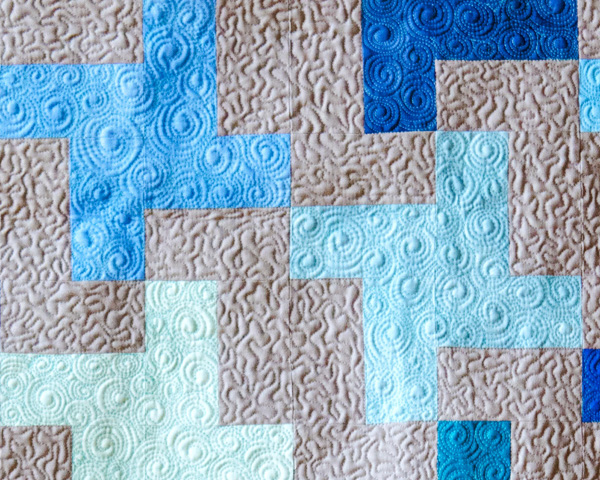
Stipples and Spirals make a fun combination.

Problem: There are too many design options to choose from.
My suggestion: see above answer. 🙂 Just pick one or two you like and start with that. If you can’t narrow it down, write them all down on slips pf paper and throw them into a bag. Choose two of them randomly for your next quilt. Then choose two more for the next quilt, and so on. Wouldn’t it be fun to say “I’m quilting stipples and spirals today” and not even have to think about it?!

Problem: I don’t know enough design ideas.
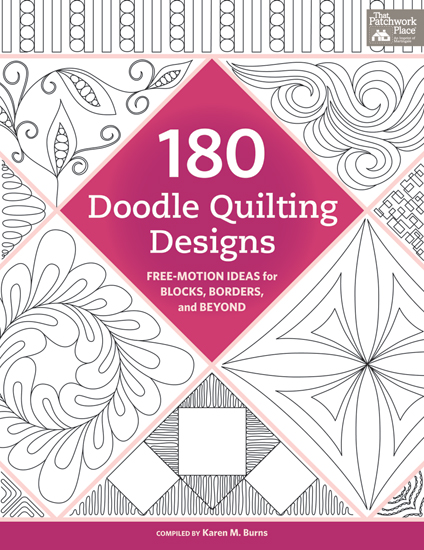
My suggestion: Do some fun research. Take a look at beautiful quilts you see in public at quilt shows or online on social media. Pay attention to the quilting details for design inspiration. I also recommend increasing your collection of quilting books – both those that teach machine quilting techniques (like mine), plus books that are a library of design ideas such as 180 Doodle Quilting Designs. Before long, you’ll have too many to choose from! (See my answer to that dilemma above.)
b1381_cover

Problem: I don’t have a very nice sewing machine.
My suggestion: Remember that the most important tool in your tool box is a “can-do” attitude. I started out with a cheapie-not-very-good sewing machine but I persevered. When I knew that quilting was here to stay, I upgraded to a nicer but still low price range machine that could do a little bit more. Once I became more serious, I got my first “nice machine.” This was about 20 years ago and I bought it used from a dealer, for less than half of the original price. It’s only been in the last 3-4 years that I could justify a “really nice” machine. So don’t let the tools stand in your way. Buy, borrow or rent the best you can afford and get as much use out of it as you can.

I hope you enjoyed these tips. I’ll be back next week with more!


Save

The BERNINA Ruler Foot is Here!

I’m so excited!! At long last I have my hands on my very own ruler foot for my BERNINA 770 QE. It’s the #72 foot, called the adjustable ruler foot for use with the domestic machines. (It only fits on the newer 3-digit BERNINAs, not the older 4-digit models.)

adjustablerulerfoot

What it does is allow you to quilt along the edge of thick specialty rulers to achieve straight lines using free-motion techniques and smooth curves without marking. Until recently, this was a technique only longarmers could do.

ruler-work-accents-in-design

I own 2 ruler work rulers, from Accents in Design.

Now before you start asking me tons of questions, realize that I’m just starting my adventures in ruler work, so I won’t have those answers for you quite yet. I’ve only quilted one quilt so far using the rulers. I used it in combination with walking-foot/dual feed quilting in the center of Fractured, from mine and Angela Walters’ book, The Ultimate Guide to Machine Quilting.

Fractured_Squares_Christa_detail

I quilted the purple section of Fractured using ruler work and the BERNINA dual feed.

As a BERNINA ambassador, I’ll be getting up to speed with ruler work so that I can begin teaching my fellow BERNINA owners how to do it, but it will take some to figure out my methods and works best.

In the meantime, I’ve given myself some homework. I’ll be re-watching my friend Amy Johnson’s two Craftsy classes on ruler work. Click the links below to get my special Craftsy instructor discount when you purchase each class for yourself.

Click here to save 25% off Quilting With Rulers on a Home Machine

quiltingwithrulersonahomemachine_titlecard_cid5270
Click here to save 25% off Creative Quilting with Rulers: More Techniques & Motifs

creativequiltingwithrulersmoretechniquesandmotifs_titlecard_cid10616

I’m excited about the possibilities of this new technique and I’ll keep you posted on my progress!

If you haven’t yet picked up my Craftsy class, click here to save 50% on The Quilter’s Path. Watching all 3 classes should keep you busy for awhile! 🙂

Christa’s Soap Box – How the Heck I Sleep and Still Get so Much Done

As I travel around the country and meet so many great new friends, I’m often asked, ‘how do I get so much done?’, often followed by – ‘do I ever sleep?’ The quick answer is that I’m very organized, and yes, I LOVE to sleep! I wouldn’t have the energy to do as much as I do if I didn’t get my rest. But what I don’t do is waste a lot of time, or watch much TV.

Yes, I’m human like everyone else, and can get caught in the time-suck that is the internet. I can also get bogged down if I’m having an off day, or if I succumb to the social-media-comparison trap. But my desires to succeed in my business outweigh my desire to worry too much about what other people are doing, so I pretty much set daily/weekly/monthly goals for myself and try to stick to them as much as possible.

stepping-stones-photography

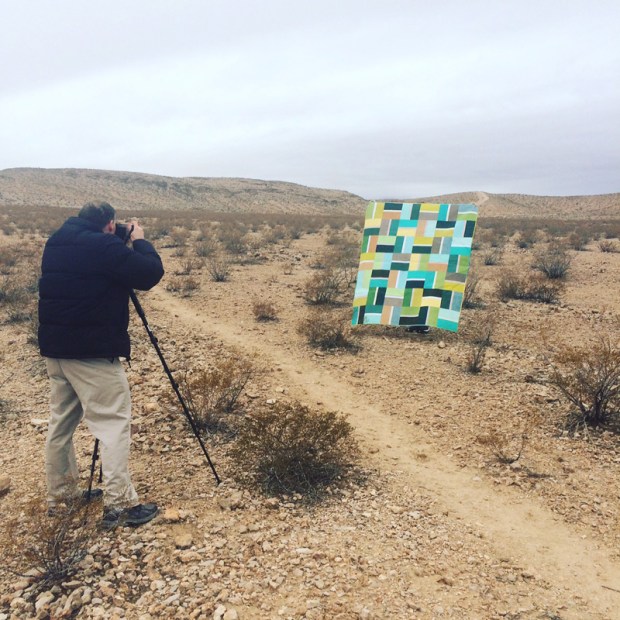
Being efficient – taking a trail walk with my husband and son to shoot some styled photography of my quilts. It’s an example of  family time, exercise, and work all rolled into one!

I think of it this way – quilting is my job and even though I think it’s the best job, I still treat it as my job, with work to be done on a daily basis, and larger projects that are spread out over a longer period of time. When I used to work as an accountant, no one ever wondered how I managed to complete my audits on time, or marveled at how many tax returns I was able to do during tax season. (Of course maybe if they had, perhaps I would have never left! Just kidding!!)

I will admit to having more ideas and things to accomplish than I’ll ever be able to do in my lifetime, but it is still fun to dream about getting them done…. someday. When I’m on a super tight time crunch like when writing a book, I’ll certainly slow down in other areas, such as blogging. I went from blogging almost daily in 2012 to about once a week at my busiest in 2015. Now I’m keeping up with a manageable schedule of about 2-3 times per week, with no pressure to stay on a strict schedule.

This year I probably said yes to travel too many times. Once I realized I was over doing it though, I slowed the pace by raising my teaching fees and only booking one event per month for 2018 and beyond. I certainly don’t want to do too much and experience burnout, so I’ve been much more careful about what I say yes to now.

I’ll end with an answer to another often asked question – ‘how do you achieve work/life balance?’ My answer is that my work is a part of my life, just like anyone else’s job is a part of theirs. If I didn’t enjoy quilting so much, I wouldn’t be doing it in all of my “free” time. 🙂

Answers to Your Machine Quilting Challenges – Part 1

While promoting the launch of my new Craftsy Class, I asked folks on Instagram what their #1 challenge was when it comes to machine quilting on a home sewing machine. It generated a lot of great comments, so I thought I’d try and tackle them here. There were so many great questions that I decided to break them up into multiple blog posts.

christaquilts

Click here to get 50% off my class, once it’s in your cart. Coupon expires 4/4/17.

Problem: Tension
My suggestion: Try and adjust the top tension first. If the bobbin stitches poke through to the top, the top tension is too tight, so lower it. If the top stitches show up on the back, the top tension is too loose, so tighten it. Always thread the needle with the foot up to engage the tension properly.

Problem: Choosing Quilting Designs
My suggestion:
Pick one or two designs you like and then go for it. You can pick one design to quilt allover, or break up the design into blocks and background and quilt a different design in each area. Once you are comfortable with a few designs, it will get easier to combine them together. My books are a great resource containing dozens of different designs for you to try.

Problem: Not Knowing Where to Start
My suggestion:
Divide and conquer! Quilt what you know you can easily do first such as stitching in the ditch along the major seam lines. I call this “anchor quilting” which helps stabilize the quilt for more intricate quilting later. I prefer to start on the right side of the quilt and work my way across the quilt, then fill in smaller and smaller sections. My Craftsy Class, The Quilter’s Path, covers this subject in great detail.

free-motion-quilting

Practice won’t necessarily lead to perfection; but it will help you make progress!

Problem: Movement and Stitch Length Consistency
My suggestion:
Practice makes progress. It’s easier to get consistent stitches with a walking foot because the machine is doing most of the work for you. However, when it comes to free-motion, it’s a whole different movement. You need to smoothly guide the quilt under the machine, yet with enough force to push it through at an even speed. In essence, you do the work of the feed dogs since they are covered or disengaged while free-motion quilting. For consistency, a stitch regulator can help, especially for beginners. Also, slowing down can help. Aim for a smooth, fluid movement that begins to feel more natural over time, the more you practice.

Problem: Quilting a Large Quilt on a Small Machine
My suggestion:
Take it one step at a time and remember that only a small area of the quilt is being quilted at any time, so there is a lot of constant scrunching and smooshing to get it out of the way. Aim for designs that don’t need you to turn the quilt very much (such as gentle wavy lines). Also, quilt on the largest table surface you can find. When it’s time to upgrade your machine, get the widest throat/harp space (the area between the needle and arm of the machine) that you can afford.

pastel_quilting

Imperfect wavy lines look great every time and are quick, fun, and easy to do!

Problem: I am afraid I’ll ruin my quilt top.
My suggestion:
Practice on small “cheater” panels first. Turn them into baby quilts and give them away so you don’t have to be reminded of your beginner progress. (Or keep a few to see how far you’ve come!) Take time to make a couple of extra pieced blocks and practice quilting those first so you can see what your design actually looks like before you spend time on a whole quilt. Finally, if you are just starting out, choose an easy design to quilt with your walking foot such as a wavy grid, or a forgiving free-motion design such as random loops. This will give you confidence to keep going, knowing that you can quilt one or two designs that actually looks good!

I hope these suggestions help! If you have a quilting problem you don’t know how to tackle, please leave a comment. I’ll try to include suggestions for as many of them as possible in next week’s blog post! You can also post photos of your trouble spots in my facebook community,  and fellow group members can help make suggestions.

My Craftsy Class is Now Live – Save 50% on The Quilter’s Path: Plan It, Stitch It, Quilt It

My class, The Quilter’s Path: Plan It, Stitch It, Quilt It is now available online. I’m so excited for you to join my classroom where you’ll have direct access to me – 24/7!! And the best part is, for a limited time, you can save 50% using my exclusive instructor discount! But here’s the catch: it’s available only from me using this link and you won’t see the discount until you actually put the class in your cart. So be sure it shows up before you check out. 🙂

the-quilters-pathClick here to add The Quilter’s Path to your cart and save 50% off the regular price!

As you view the videos, you can take notes, ask questions, and upload images of what you are working on. It’s a great place to get quilting advice from me, or to trouble shoot any issues you are having. My Craftsy class is a dedicated space where I can help you one on one, and I’m really looking forward to it! I like to think of it as 2+ hours of engaging video, along with unlimited coaching. 🙂

navy-pinwheels

Learn how to quilt an easy but effective wavy grid using your walking foot! This is just one of the many quilting motifs I’ll show you how to do with your walking foot, free motion, or both!

In The Quilter’s Path, it was very important for me to show you how to quilt on real quilts and blocks during class, so the class materials include a free pattern for the Pinwheels quilt. I’ve made it in three different colorways (navy, pink and teal) so that you can see how changing the fabrics and the quilting can totally change the look of the quilt!

pink-pinwheels-quilting

You can easily quilt your own quilts when you find your quilting path!

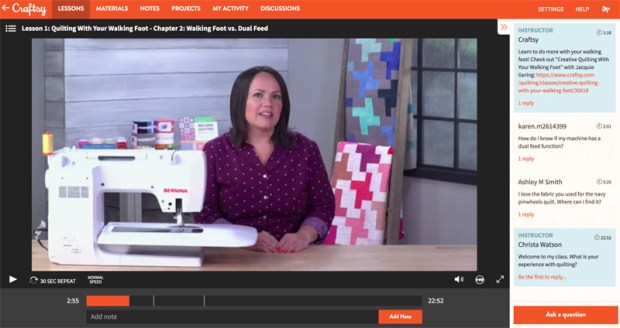
Here’s an actual screenshot from class so that you can see what the platform looks like. There’s a detailed menu bar where you can find the lessons and class materials, as well as take notes and post projects. On the right hand side of your screen, you can ask questions and read the Q&A of other class members. You can also hide this part of the screen if you don’t want to view it.

video-screenshot

The best thing about asking a question and interacting on the platform is that all of the other students can see your projects and discussions, too. I honestly think you learn as much from the Q&A as you do in the class itself! And remember, my philosophy is that the only dumb question is the one that is never asked!

During class,  I show how to quilt effective designs using a walking foot (or dual feed), free-motion techniques, and combined designs to create a truly custom look.

Click here to enroll in The Quilter’s Path and let me help you become a better quilter!

the-quilters-path

My Word for 2017 – Learn

My 2016 word of the year was ‘Relax.’ I’m not really sure how well I accomplished it, since I’m a self-professed workaholic. But, because my work and my hobby is one and the same, I could kind of fudge it since quilting really is a relaxing thing for me to do! For 2017 I have a lot of big goals on the horizon I want to accomplish. And they all revolve around one big word:

Learn!

I need to learn how to design on the computer using adobe illustrator. There are some big projects I want to tackle next year that will require this skill. I’ve enrolled in a couple of online courses (Intro to Surface Pattern Design by Bonnie Christine on Skillshare and one from Alma Loveland on Atly.) Plus I just found out my library supports a free Lynda.com subscription so I’ll definitely put that to good use!

learning_illustrator

The first thing I learned to draw in Illustrator was these raindrops, which was pretty fun. I have a LONG way to go, but I’m tackling it one day at a time. Follow me on instagram @christaquilts to watch my progress unfold as I practice for about 15-30 min. each day.

I also want to learn how to better manage my time. (I’ve already starting putting one thing into practice regarding time management, saying  more “no” and less “yes!”) I’ve also begun using Toodledo – a computer and phone app that is basically a glorified to do list. I’m getting in the habit of writing everything down I need to do and breaking it into smaller steps. It’s sort of the same process that David Allen advocates in his best selling book Getting Things Done.

dslr-handbook

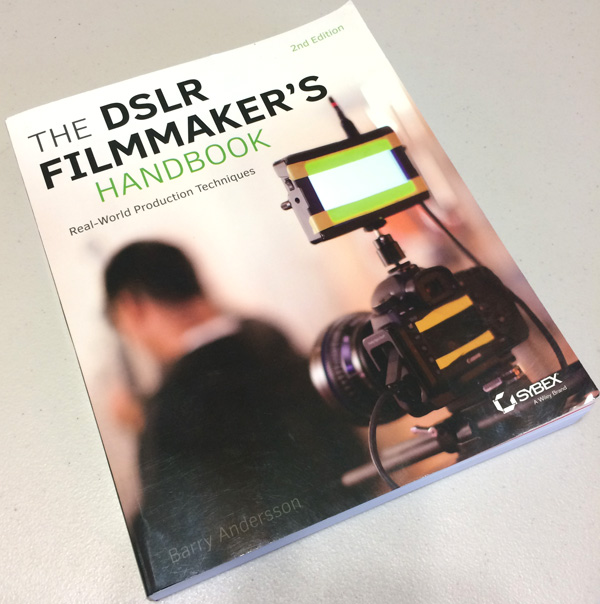
Jason wants to learn how to shoot and edit YouTube videos so we can start offering short video tutorials to help enhance my books, patterns and classes. He’s added a few  technical books to his library, including the one he’s studying right now, The DSLR Filmmaker’s Handbook.

Learning a new skill requires practice and patience and lots of extra time. It will require us to be efficient so we can squeeze our study time into our otherwise busy schedules. (It reminds me of when we were young newlyweds in college, but that’s another story for another day!) Rest assured, if and when our independent studies turn into something tangible, you’ll be the first to know! 🙂

If you have a word for the year, or a big goal you’d like to accomplish, please leave me a comment. I’d love to know what it is. Here’s to a fantastic 2017!

2017

Christa’s Soap Box – Why I Make My Own Quilts

Recently, as I’ve been working long hours in my business, I’ve been thinking more and more about WHY I like to make my own quilts and do all my own “stunt sewing.” What I mean by that is that I enjoy every part of the quilt making process. From designing the pattern, to finishing the final binding stitches by hand, I really do enjoy taking ownership of the entire process. What you may or may not know is that many designers enlist the help of others to complete their projects, and this is TOTALLY OK!!

FMQ

In addition to teaching how to quilt, I love talking about the business of quilting, too!

Some enjoy designing, some enjoy piecing, some enjoy quilting or finishing, and some like to do it all. For a prolific designer that has weekly or monthly deadlines, many times there’s simply not enough time to do all of the work themselves, so they enlist the help of “sewing fairies” (sometimes paid, sometimes not, depending on the arrangement). This can be mutually beneficial to both parties, each getting to do what they love best. After all, the worst thing a sewing professional can do is miss his or her deadlines, if they want to stay in business and build relationships with other industry companies.

Binding by Hand

I’m one of those weirdos that actually loves to hand bind. I love the slow-pace stitching!

I’ve had many offers both to help with my sewing, or to be a stunt sewer or quilter for others. And every time I’ve politely declined. I’ve been pondering why that is. The best I can come up with (other than my type A control freak personality that I try to keep under wraps) is that I’m afraid it would feel more like “work” and less like “fun” if I only did one thing over and over and over.

While machine quilting is certainly my favorite part of the quilt-making process, it’s not the only thing I want to do. I actually tried machine quilting for hire many years ago and it was not the right fit. Quilting for me is very meditative, and each part of the process engages a different area of my brain. I actually get bored if I only do one thing over and over, so by constantly switching back and forth between designing, piecing, quilting, and hand-sewing it allows me to fully enjoy each part of the process. I’ve even come to enjoy basting, once I figured out an efficient method!

Busy Hands Quilt

Machine quilting is my favorite technique – but I enjoy the entire process.

I realize that in the end, doing all of my own work will mean that I make less quilts. But I’m totally okay with that. I also prefer to make one quilt at a time from start to finish, rather than having a whole bunch of WIP’s (works in progress) going on at the same time. That’s just too much mental chaos for me, LOL!! I enjoy the process of making, but I also love the thrill of getting to the finish and checking it off my list!

Because teaching machine quilting is a big part of my focus right now, I think it helps me relate to my students by piecing my own quilts. Quilting a real quilt is a LOT different than demonstrating a free-motion design on piece of plain fabric. So, by quilting a quilt top I’ve pieced myself, I’ve gained experience on how best to prepare a quilt top FOR machine quilting. I also have lots of time to think about what machine quilting designs will look best on the quilt I’m currently making, while I’m piecing it. I’m of the opinion that “you can’t rush art” so by having this extra thinking time, I’m usually ready to go once it’s time to quilt.

2015quiltstack

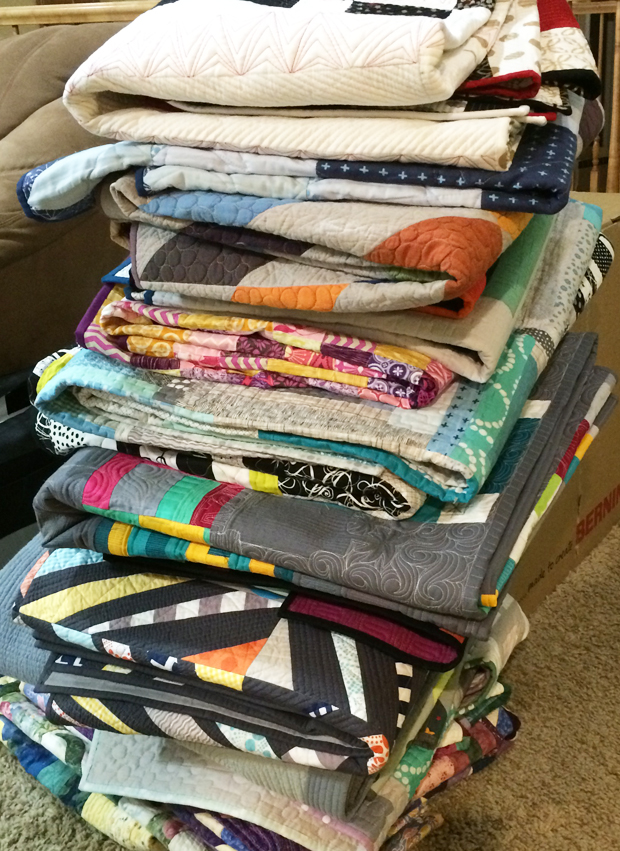
I love a yummy stack of finished quilts!

I hope this helps you understand a little bit more about my process, and why I do things the way I do them. Again, remember, this is is NOT a one size fits all strategy.  It’s just what works for me. My biggest goal with quilting is to help encourage you to do what works for best for YOU.  🙂

So what are your thoughts? Do you prefer one part of the process over any other? There are no wrong answers here, I’m just curious. 🙂

Quilts from my Craftsy Class, and Your Chance to Win it Before You Can Buy it!

My Craftsy class, The Quilter’s Path: Plan It, Stitch It, Quilt It is scheduled to launch next week!! Whoo hoo!! It’s all about showing you how to quilt some of my favorite motifs using your walking foot, free motion, or both. To celebrate, one of you lucky readers will get a chance to win it before you can buy it. 🙂

Update: Congrats to winner Linda B! The class is now live and available for purchase!

Click here to save 50% off The Quilter’s Path through April 4, 2017

11276_thequilterspath_christawatson

Win My Class!

To enter, first click here to sign in or register for a free Craftsy account (if you don’t have one yet). Then leave me a comment letting me know if you’ve ever taken a Craftsy class before.

If you are a regular Craftsy user, I’d also love to know what you love best about the class platform. As for me, I love being able to interact 24/7 via the Q&A sidebar in each class. 🙂

The giveaway will be open to all and will run through the end of the week. I’ll draw a random winner on Saturday and will contact them via email.

Pinwheel Quilts from Class

I used Craftsy’s Boundless precut strips in three different color schemes to make the 3 full-sized pinwheel quilts shown in class. With careful cutting you can actually make 2 quilts from each set, or make one larger version. The free pattern will be included exclusively as part of the class.

Here’s closeup shots of each of the pinwheel quilts I share in class:

pinwheels-navy

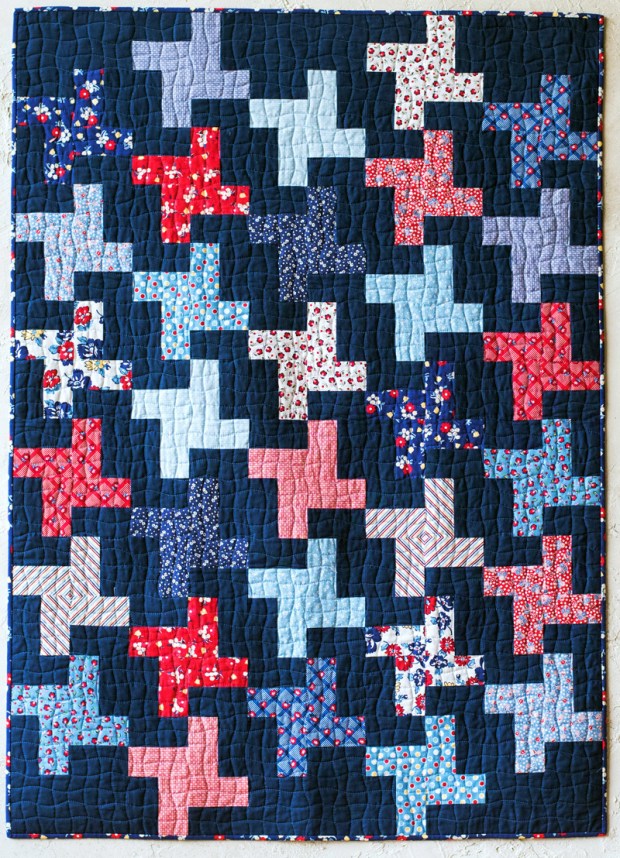
The Navy/30’s Pinwheels (with walking foot quilting) was made from 30’s prints and navy solids. I actually show two versions of this quilt in class, the finished red/white/blue version shown above, plus the pastel version shown below. I separated the precut 2 1/2″ strips into two color schemes to make both quilts. I used a contrasting thread on the pastel version that I actually quilt on during class, so you can see what I’m doing.

pastel_quilting

Click here to purchase Boundless 1930’s Delights 2 1/2″ precut strips.
Click here to purchase Boundless Solids Navy 2 1/2″ precut strips.

For the Pink/White pinwheels, I free-motion quilted a fun and easy edge to edge design that gives the quilt lots of texture. This is a fast way to finish that looks amazing on your quilt!
pinwheels-pink

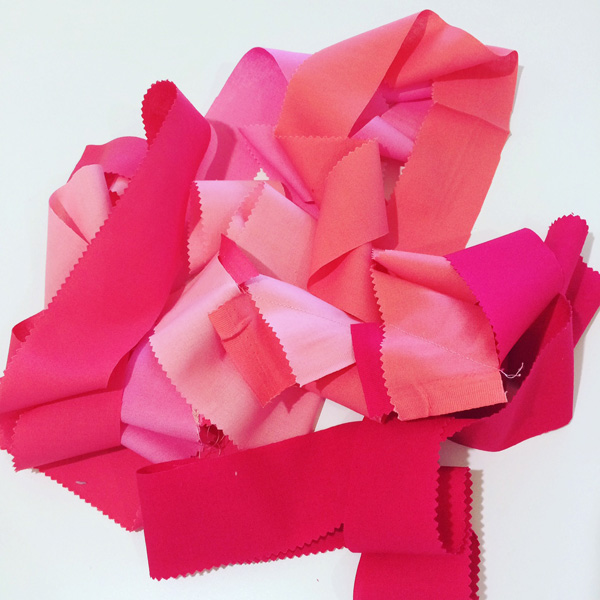
During class, I teach many more quilting motifs than shown in these three samples, but I still quilt them on real blocks so you can see how the designs will look before you commit to a full quilt. For the pink/white version I used some of the leftover solid pink strips to make a scrappy binding. I think it adds such a fun look to a quilt!

scrappy_binding

Click here to purchase Boundless Solids Tickled Pink 2 1/2″ precut strips.
Click here to purchase Boundless Solids Bright White 2 1/2″ precut strips.

For the grand finale, I show how to combine both walking foot and free-motion techniques to create a truly custom look with your quilt, as shown in the Teal/Gray Pinwheels quilt.

pinwheels-teal

There’s plenty of leftover pieces in each bundle that you can use to whip up sample blocks to practice on like I did. It always amazes me how different a quilt can look, once it’s quilted!

pinwheel_block

Click here to purchase Boundless Blenders Aura Coastal Escape 2 1/2″ precut strips.
Click here to purchase Boundless Solids Nickel 2 1/2″ precut strips.

In class, I also share several of my other finished quilts for inspiration, explaining how I apply the quilting to each of these quilts. My goal is for you to not only learn the designs, but feel comfortable quilting them on any quilt. Once the class launches, I’ll be back with a detailed class summary, along with an exclusive discount available only from me. I can’t wait!!

titlecard_4x3

Merry Christmas from The Watsons

From our family to yours, Merry Christmas! We’ve had a busy 2016, full of life’s ups and downs. But overall, it’s been fantastic, thanks to the support of so many of you! Pictured here are me and my husband Jason, our 3 wonderful children, my supportive mom and awesome aunt, all of whom support our crazy quilting endeavors, day in and day out!

christmas-2016

Picture was taken at The Magical Forest, a fundraiser for Opportunity Village of Las Vegas.

Craftsy Holiday Sale and a Sneak Peek of my Upcoming Class

While I excitedly await the release of my Craftsy class in January, I’m paying much more attention to all of the great deals the company is offering. For example, I just saw that ALL classes are on sale for under $20, now through the day after Christmas (12/26 at 11:59 PM MT).

holiday-sale

So now that you are done with your gift shopping, why not reward yourself with a gift of learning? Click here to view all quilting classes on sale.

Speaking of learning, here’s a behind-the-scenes shot of me quilting for my upcoming Craftsy class, The Quilter’s Path: Plan It, Stitch It, Quilt It.

pinwheel_quilts

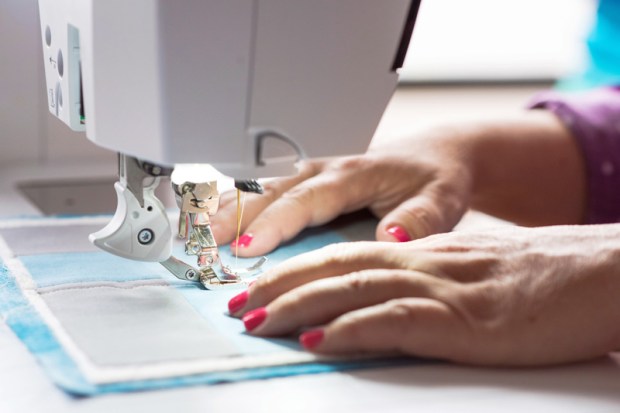
The best part of filming was getting to quilt on a BERNINA. I felt right at home!

See those pinwheel quilts? The main focus of the class is showing how to quilt the same quilt in different ways depending on the look you are going for and what your skill level is. My students have been asking me to show them how I physically move an actual quilt under the machine; so most of the class is spent quilting real blocks and real quilts, using both walking foot and free-motion techniques. I also wanted to give as much value as I could, so the Pinwheels design is included as a free pattern in the class. 🙂

bernina_dualfeed

Tip from class: If your machine has built in dual feed – you DON’T need a walking foot!

I’ll be telling you much more about my class as it gets closer to launch day in early January. In the meantime, be sure and grab the other quilting classes you’ve had your eye on, now while they are on sale. I highly recommend taking as many different classes as you can, from as many different instructors as you can. We each put our own spin on the material, and you never know when one of us will say something in a way you’ve never heard before. I sure love teaching, but I’m still always learning, too!

Click here to view all Quilting Classes on sale. And remember, every class site-wide is on sale, too! (Note: this post contains affiliate links, so thanks for your support!!)