My Schedule for Fall Quilt Market 2018 – Come See Me in Person or Virtually Online

If you are heading out to quilt market, the industry trade show in Houston, Texas, be sure to come find me and say hi! I’ll be hanging out in my booth #2134 in the Benartex Contempo area most of the time, and I’ll be sharing some fun presentations with goodies to give away!

Fall Quilt Market 2018

Click here to see all of the Abstract Garden fabrics.

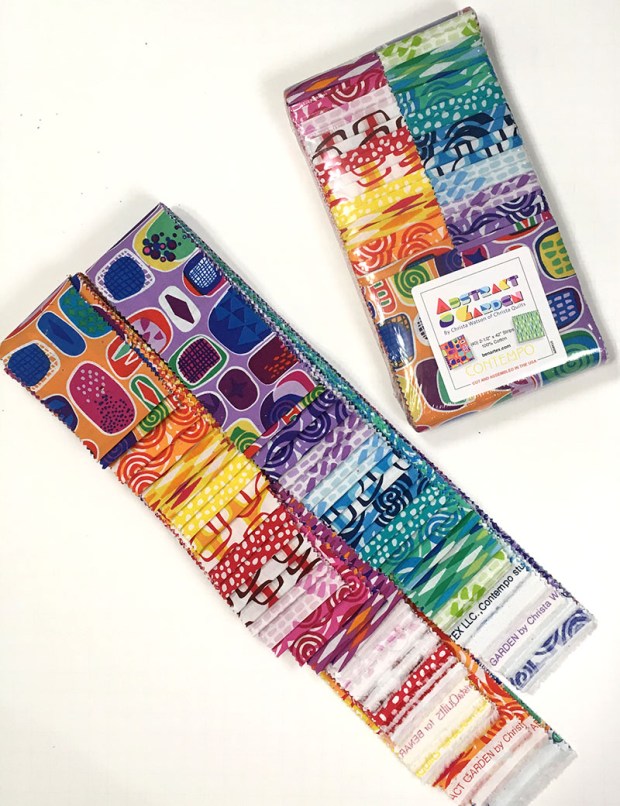
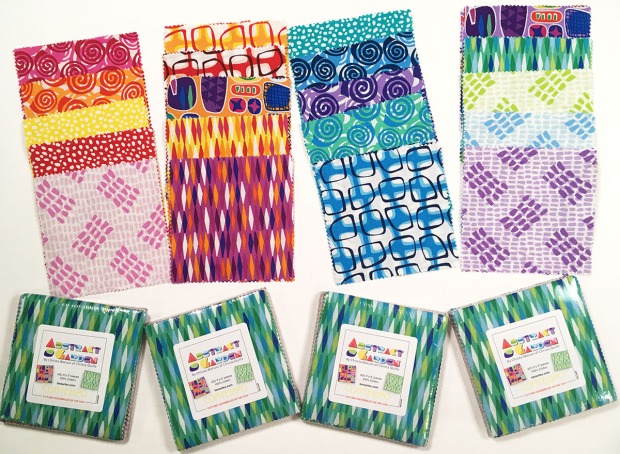
If you plan to attend schoolhouse – educational seminars on Friday before the show, make plans to attend mine at 5:30 on November 2 room 342A. Everyone who comes will get a free sample pack of my new Abstract Garden collection plus one of my patterns.

My presentation is called “Kitting for Profitability” and it’s geared towards quilt shops who want to create kits from my patterns. I’ll be discussing the 4 P’s of profitability: Pattern, Product, Promotion, and Pricing.

Designer showcase

The show floor is open Saturday-Monday and Benartex will be presenting four designer showcases on Saturday and Sunday. The 7 designers in attendance will each present a trunk show of our latest and greatest and of course there will be goodies galore!

Quilt market is super fun now that I’m a fabric designer and Benartex really knows how to take care of their designers. They have a design team that gets there the day before, builds all of the booths and then decorates them for us once we arrive with our newly sewn samples. That makes one less thing for me to worry about so I can focus on being present and engaging for any quilt shops who want to stop by and see all the fun new things!

Christa Loves Fluevogs
Fluevogs are my favorite shoes of all time – and yes, they are super comfy!!

Speaking of fun things… I gathered up some of my favorite Abstract Garden prints along with my favorite coordinating shoes and whipped up 4 cute aprons to wear – one for each day of the show. To see the big reveal, be sure to follow me on Instagram @christaquilts where I’ll share pictures and videos all weekend long. It will be exhausting – but fun!

If you can’t attend, be sure to tell your favorite local quilt shop to stop by and see me, and if you want to catch all the fun from home, be sure to follow the hashtag #quiltmarket for the hundreds (thousands?) of pics that will be shared this week!

Abstract Garden by Christa Watson

I’ll be back with a wrap-up of the show when I return next week! Happy quilting until then!!

Introducing My Third Fabric Line from Benartex – Abstract Garden

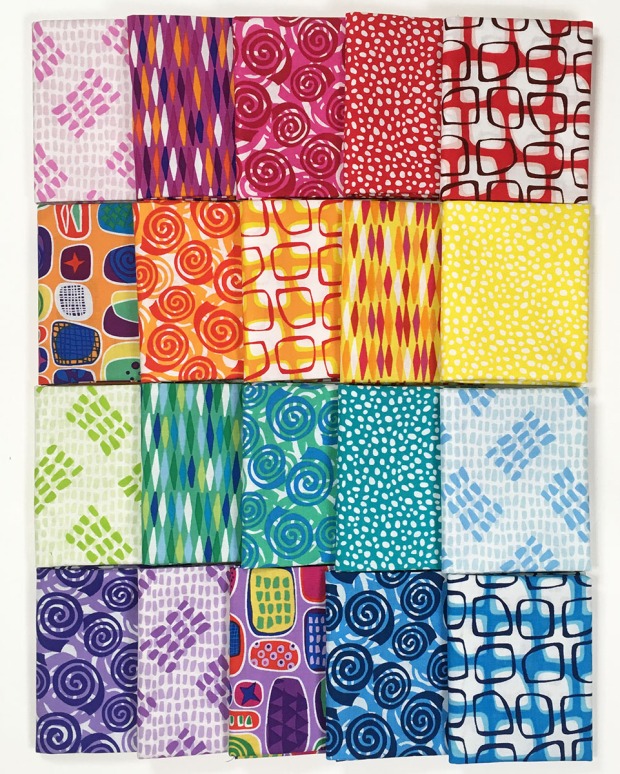
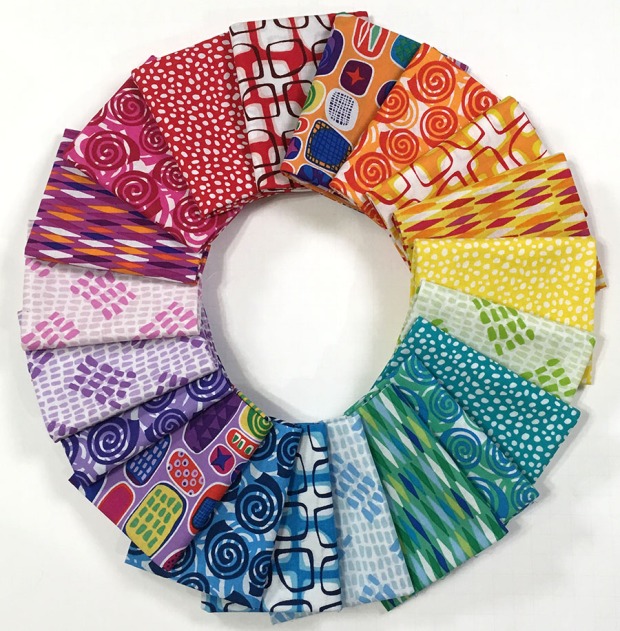
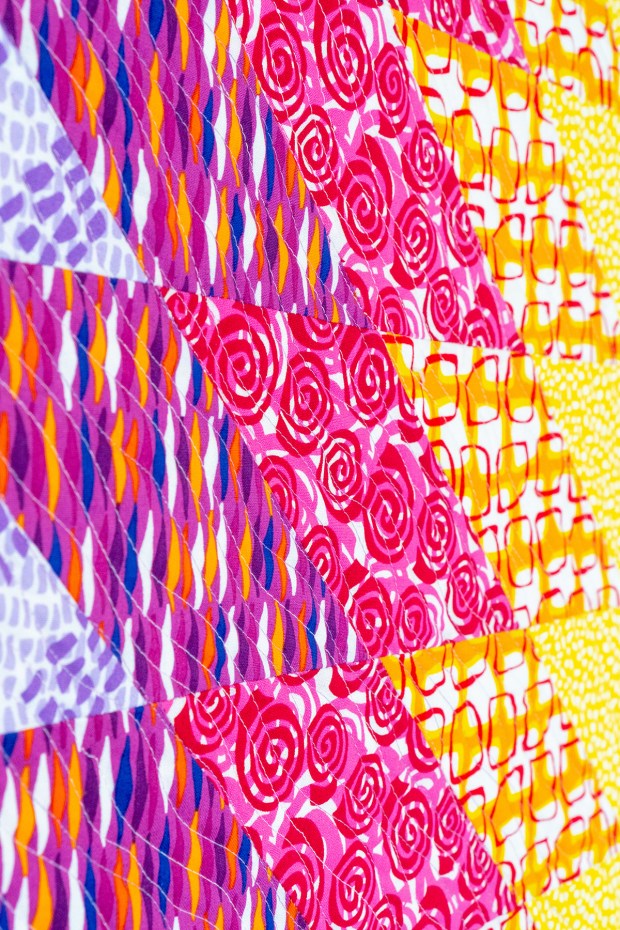
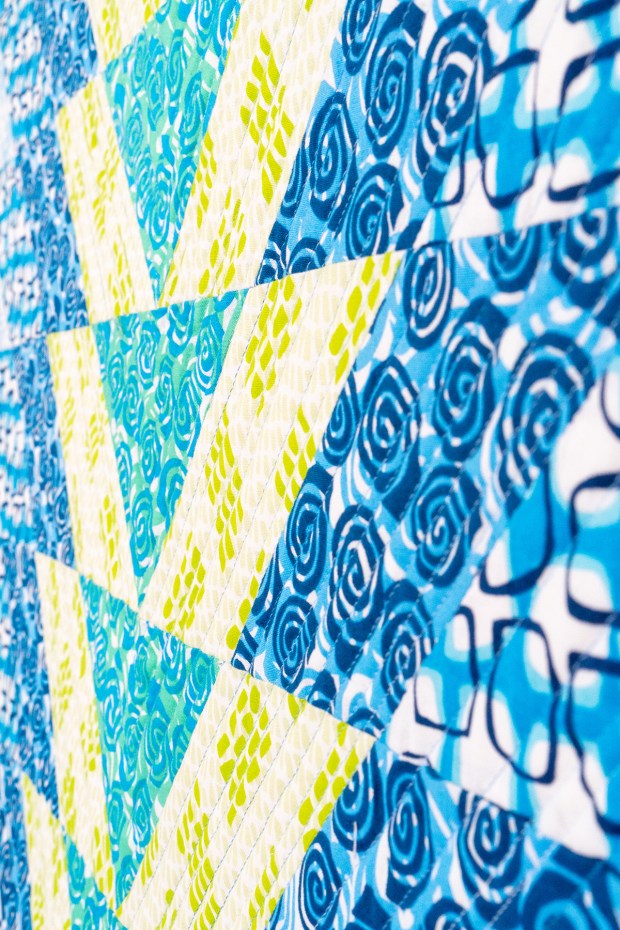
As I head off to quilt market later this week, I’m excited to introduce my third fabric line – Abstract Garden – from Benartex Contempo Studio. It mixes well with my other two lines, Fandangle and Modern Marks, but it features all new prints and some new colors, including purple!! It will ship to stores December/January.

Abstract Garden by Christa Watson for Benartex Contempo Studio

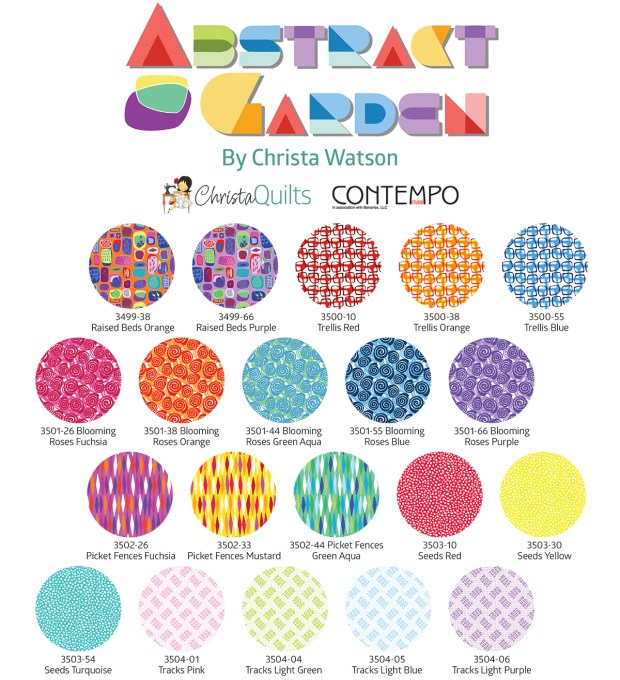
Abstract Garden was inspired by my love for gardens, even though I have a hard time keeping anything alive!! I prefer abstract, geometric designs to realism so you won’t even find an actual floral print in any of the designs, yet they evoke things you might find in a “real” garden: Raised Beds, Trellis, Blooming Roses, Picket Fences, Tracks, and Seeds.

Abstract Garden by Christa Watson for Benartex

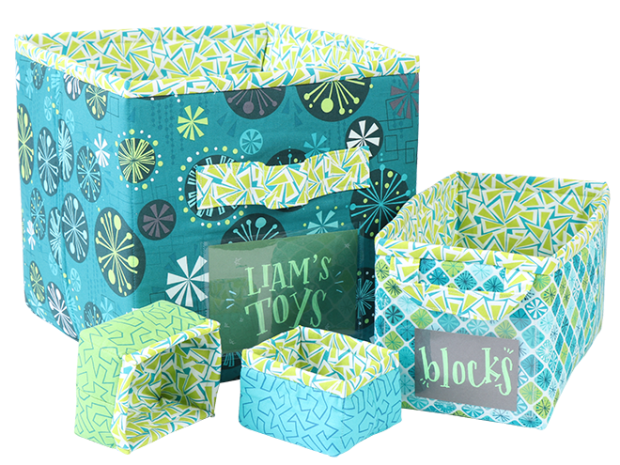
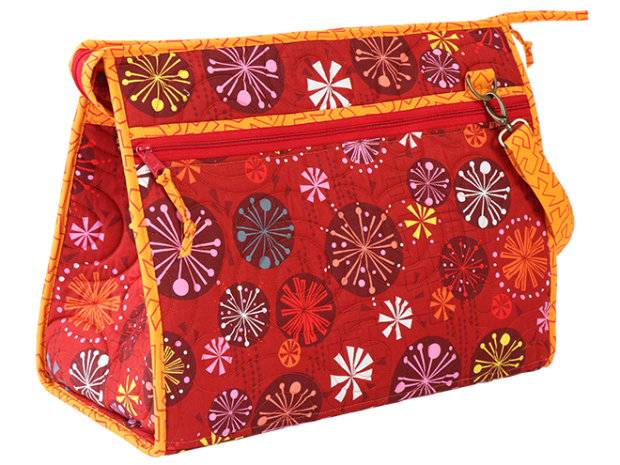
For a limited time, I’m offering fabric bundles of Abstract Garden along with 4 new patterns to help showcase the line!

Abstract Garden Quilt Patterns

Click here to get the Abstract Garden quilt patterns.

Abstract Garden Fabric Designs

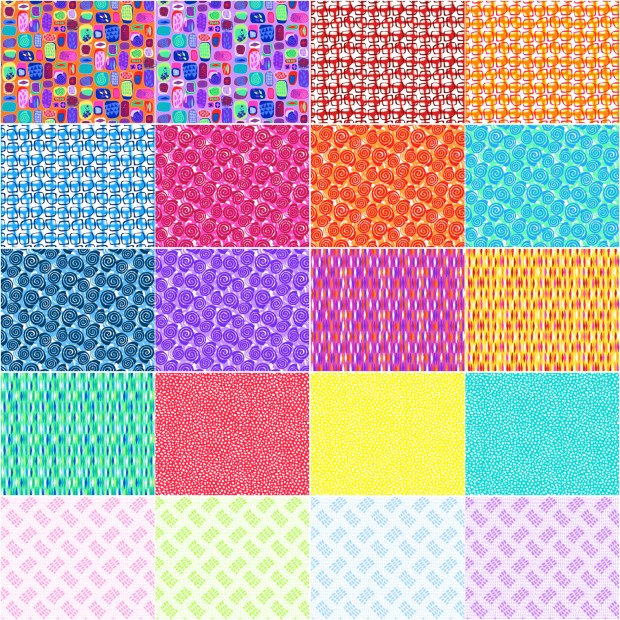
I created this collection of 20 prints divided roughly into color groupings of red/pink, yellow/orange, blue/purple, and teal green. It includes a total of 6 different prints with a few lighter hues to give a bit of sparkle to any quilt or fabric project you’d like to make!

Raised Beds

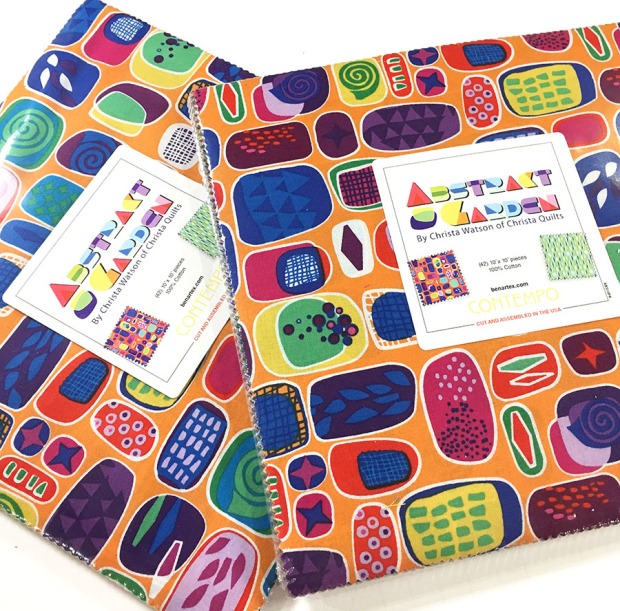
This large scale print incorporates elements of the other prints in a really cool, graphic layout. This print is perfect for quilt backings, borders, bags, clothing, and and other projects where you really want to show off the fabric. It comes in two colors – orange and purple.

Abstract Garden by Christa Watson Raised Beds

Trellis

This is my version of a “modern plaid” – asymmetrical and a little bit irregular, but full of color and movement. It’s also reminiscent of one of my favorite walking foot quilting designs that I like to do – wavy plaid. Each of the “squares” measures about an inch and it comes in three colors – red, orange and blue.

Abstract Garden by Christa Watson Trellis

Blooming Roses

This is definitely my favorite print of the group, inspired by one of my favorite machine quilting designs, swirls! I really wanted to make this print in every color of the rainbow, but I had to stop myself at five colors – fuchsia, orange, green/aqua, blue, and purple.

Abstract Garden by Christa Watson Blooming Roses

Picket Fences

This is my other favorite print of the group! I originally came up with this design back when I was creating my first line, Modern Marks. I couldn’t make it work with that line, which is why I’m thrilled that I was able to tweak it and include it now with Abstract Garden. It comes in three colors: fuchsia, mustard, and green/aqua.

Abstract Garden by Christa Watson Picket Fences

Seeds

I love dots! But rather than going with the standard polka, I wanted my dots to have some personality and work with the theme of the collection! Seeds features splotchy spots on a colorful background in three different hues: red, yellow and turquoise.

Abstract Garden by Christa Watson Seeds

Tracks

Of course you are going to find tracks in your garden! But what kind of tracks? Are they bunny tracks? Tire tracks? Your imagination is the limit!! I needed a few lighter prints to soften up the line and am pleased to offer it in four colors: pink, light green, light blue and light purple.

Abstract Garden by Christa Watson Tracks

Show Your Work

Now I’m excited to see what folks start making with my fabric! It will be hitting stores this December so be sure to ask your local quilt shop to contact Benartex to place an order. Be sure to use the hashtag #abstractgardenfabric on social media so I can see what you create!

Abstract Garden by Christa Watson for Benartex Contempo

Click here to pre-order bundles of Abstract Garden

Links at a Glance

Beaded Lanterns QAL Week 7 – Binding

I can’t believe we’ve finally come to the end of the Beaded Lanterns Quilt Along! If you’ve missed any part of it or want to make one later on, be sure and check out the rest of the links at the end of this post.

Beaded Lanterns Finished Quilt

Over on the BERNINA blog at We All Sew, I’m sharing my method for binding my quilts. If you’ve followed any of my quilt alongs before it will look familiar because it’s the same technique I use for all my quilts large or small. One thing I will say is that the more you do it, the faster and better you’ll get!

Click here for the Beaded Lanterns Binding Tutorial

Beaded Lanterns Quilt Along - Trim and Bind

Beaded Lanterns QAL Links

Click here to purchase the Beaded Lanterns Quilt Kit
Click here to get the free Beaded Lanterns Quilt Pattern

Week 1: Supply List
Week 2: Making the Blocks
Week 3: Sewing the Quilt Top
Week 4: Spray Basting Tutorial
Week 5: Walking Foot Quilting & Quilting Plan
Week 6: Free-Motion Quilting
Week 7: Binding to Finish

Beaded Lanterns Week 6 – Free Motion Quilting

I’ve been super busy prepping for fall quilt market which begins November 1 and I can’t wait to share more inspiring quilts next month. But in the meantime, you can check out the latest installment of my Beaded Lanterns Quilt Along hosted over on the BERNINA blog.

beaded lanterns

For week 6, I’m breaking down how I free-motion quilted this fun colorful quilt, made from a kit of my Fandangle fabric. There’s even a short video in the post showing how I quilt the loopy cursive L’s seen in the lantern blocks below.

And don’t worry, if you are just now hearing about the quilt along, you can jump in any time and work at your own pace! Check out the links at the bottom of this page to get started!

Free Motion Quilting Beaded Lanterns made with Fandangle

Beaded Lanterns QAL Links

Click here to purchase the Beaded Lanterns Quilt Kit
Click here to get the free Beaded Lanterns Quilt Pattern

Week 1: Supply List
Week 2: Making the Blocks
Week 3: Sewing the Quilt Top
Week 4: Spray Basting Tutorial
Week 5: Walking Foot Quilting & Quilting Plan
Week 6: Free-Motion Quilting

Beaded Lanterns Quilt Along Week 5 – Make a Quilting Plan

I love seeing all of the Beaded Lanterns quilts in progress! Remember, you can share your work in my ChristaQuilts facebook group, or on instagram #beadedlanternsqal. For my latest post hosted over on the BERNINA blog, We All Sew, I’m chatting about the quilting plan I created and how I broke the steps down into walking foot quilting and free-motion techniques.

Stitching in the ditch walking foot quilting

One of the easiest ways to quilt a quilt is to stitch in the ditch and then echo it to highlight certain areas of the quilt. For more tips and to check out the rest of the quilt along, be sure to click any of links below.

Beaded Lanterns QAL Links

Click here to purchase the Beaded Lanterns Quilt Kit
Click here to get the free Beaded Lanterns Quilt Pattern

Week 1: Supply List
Week 2: Making the Blocks
Week 3: Sewing the Quilt Top
Week 4: Spray Basting Tutorial

Dot ‘n’ Dash Quilt Along Week 9 – Binding

Have you enjoyed quilting along with me? Or are you just now finding this quilt along? Either way, I want to remind you that Dot ‘n’ Dash quilt along will stay up on my blog indefinitely so you can make this quilt any time you wish, on your own time, and at your own schedule. Dot ‘n’ Dash Kits are still available and you can pick up a signed copy of my book to get the pattern.

Dot n Dash Quilt Along

Click here for the supply list and links to all of the previous posts for Dot’n’Dash QAL.

This week it’s time to bind the quilt! Follow the steps below for my favorite method, or adapt it to your own process as desired. This method uses straight of grain strips that are double folded and attached with smooth seams ensuring no lumps and bumps. I use it for all of my quilts!

Step 1 – Trim the Quilt

I like to trim off the excess batting and backing flush with the edge of the quilt so that I can sew the binding on nice, straight, and even. I use a large square acrylic ruler to trim off all four corners first. This ensures that the corners of the quilt will stay nice and square. I use the lines on the ruler to nudge the quilt into shape if needed.

Quilt Trimming - Corners

Once the corners are trimmed, I use a long acrylic ruler to trim up the sides the same way. I line up the already cut corner with the edge of the straight ruler so that I can continue to get a straight, clean cut around all four sides of the quilt.

Quilt Trimming - Sides

Step 2 – Sew the Binding Strips

To figure out how much binding I need, I take the perimeter of the quilt, add 10″ to the total, and divide by 40″ (the width of fabric) to figure out how many binding strips I need. See pages 52-55 of the book for this particular pattern.

Binding from leftover jelly roll strips

Because I wanted to use the fabric efficiently, I used leftover precut strips from the Strip-pie bundle (aka jellyroll) to make a scrappy binding. Because you don’t use the entire strip when you cut and sew the blocks, there’s enough leftover for the binding. You can trim them narrower if desired, but I went ahead and left them at 2 1/2″ since I was in a hurry to finish!

Sewing the binding

Join the binding strips with a mitered seam by placing them wrong sides together at a 90 degree angle. Sew from one corner to the other to join the seams. I can usually eyeball it (see image above), but feel free to mark the sewing line if you need to stay straight.

Sewing binding strips

To chain piece (assembly line sew), I add each next strip as I go, flipping over the top strip so that I join them right sides together each time.
Because the strips are very colorful, I joined them with a neutral colored Aurifil 50 weight thread and sewed with a shorter stitch length (2.0 instead of 2.5). This prevents the thread from poking through the seam and makes a nice tight stitch that won’t split when I press the seams open.

Trim binding corners

Once all of the seams are sewn, I trim off the excess with 1/4″ seam and press all seams open.
I’ll designate one of the binding ends as the starting “tail” and trim it off at a 45 degree angle. That will come in handy later when it’s time to join the ends together seamlessly.

Continuous Binding

Finally, I’ll press the entire binding in half wrong sides together lengthwise, and it’s ready to sew to the quilt!

Step 3 – Attach Binding to Quilt

I line up the open ends of the binding to the raw edge of the quilt. I leave about 10″-12″ of a starting “tail” so that I have room to join it up later. I’ll put a pin in place to indicate where I’ll start sewing. Sew with 1/4″ seam for skinnier binding strips, or slightly wider if using wider strips.

Attach binding to quilt

If you want the pieced seams to avoid ending up in the corners, quickly measure the binding around the perimeter of the quilt before you start sewing. If any of the seams ends up in the corners, adjust your starting tail by an inch or two in either direction.

When you get to the end of one side, stop sewing about 1/4″ away from the edge (or the width of your seam allowance), and sew off the corner at a diagonal. this will enable to you create a pretty miter on the front of the quilt.

Sew the binding to the quilt

Next, remove the quilt from the machine, rotate it and fold up the next unsewn binding side.
Make sure the edge of the binding matches up to the edge of the quilt as shown in the photo below. This will ensure that everything lines up perfectly.

Notice that a nice diagonal crease will form across the corner.

quilt binding

Fold the binding back down upon itself at the corner. (See photo below.) You want the top of the fold to line up exactly with the top of the sewn quilt. This will ensure a nice crisp corner.

Binding in progress

Continue sewing at the corner. You might need to grasp the starting threads because this will be a thick seam to start. In my image below, I’m using the BERNINA integrated dual feed with the open toe embroidery foot (20D) so that I can see what I’m doing. I recommend using a walking foot if you don’t have the dual feed, so your fabric doesn’t slip or pucker.

Sewing the binding

Continue sewing all four sides and corners the same way. Leave an ending tail of about 5″-6″ that will join up with the starting tail. Trim off the excess binding if needed.

Step 4 – Secure the Binding Ends

To join up the ends, I’ll use some photos from another quilt because I was in such a hurry to finish this one, that I forgot to snap photos, LOL!!

Place the cut angled end (the beginning tail) inside of the ending tail and mark the 45 degree angle where they meet exactly.

Binding Ends

Add 1/2″ to this line for seam allowances and trim off the ending tail at a 45 degree angle, using a small square acrylic ruler with a 45 degree line.

Add the binding

Match up the beginning and ending tails and sew them together with a 1/4″ seam. You’ll notice the triangle tips sticking off at each end. Press the seam open and trim off those tips, also known as “dog ears.”

Join binding edges.

Finish sewing the binding to the back of the quilt. If desired, flip the binding to the front and press away from the quilt to make it easier to fold over to the back.

I secure the entire binding with Clover Wonder Clips so that nothing shifts while I hand sew the binding down on the back.

Secure the binding

Step 5 – Hand Sewing to Finish

I prefer to finish my binding by hand because it gives a nice, clean finish to the quilt. However if you prefer to finish by machine, I suggest using a decorative stitch on your machine so that the binding becomes a decorative element of your quilt.

I like to use a blending thread color to secure my binding. I normally use whatever is leftover in the bobbin after I’ve attached the binding to the quilt. Thread a hand sewing needle with about 16″ of thread and knot one end.

Hand Binding

Notice that I hold the quilt away from me and stitch from right to left. I make each stitch by catching a little bit of the backing and the folded edge of the binding each time. Some people call this a “ladder stitch.”

Hand Stitch the binding

Whenever I run out of thread, I knot the end and hide it underneath the binding, then start with a new length of thread. When I get to the corners, I fold them over in the opposite order of how they are folded on the front to reduce bulk.

Hand stitched binding

I also sew the corner miters closed for a nice finish. It usually takes me about one hour per side when hand stitching a throw sized quilt. That’s a couple of evenings of movies with the family which is a fun way to finish!

Machine Quilting on Dot n Dash

I enjoyed finishing this quilt just before we took a beach vacation earlier this summer, so I have fond memories of working on this quilt!

Share your Finishes!

Be sure to share your progress on instagram #dotndashqal and also in my Christa Quilts Facebook group. Even if you are just starting, I’d love to cheer you on!

Click here for the supply list and start of the quilt along.
Click here to purchase the Dot ‘n’ Dash Quilt Kit or my fabric bundles.

Pre-order My New Fall Patterns

I release quilt patters twice a year now, in conjunction with my new fabric lines. (More about the fabric later…) So today I’m happy to introduce 4 new patterns which will be released on November 16, but you can get them at a discount when you preorder now!

Christa Quilts Patterns

All four of my new patterns are available as print or PDF. Print versions will be shipped to you approximately November 16th. When you order the PDF version through my Craftsy shop, you’ll be able to download the cover now, and then the pattern itself will be emailed as an update on November 16th.

Use coupon code SAVE10 to get 10% off the price of the print version. The PDF version is automatically on sale through November 16th. (The code and sale applies to all current patterns in stock, too!) Here’s what’s new:

Pieced Primrose

Click here to purchase the PDF version instant download.
Click here to order the print version which will be shipped.

Pieced Primrose Quilt Pattern

Click the image above to enlarge the detailed materials list.

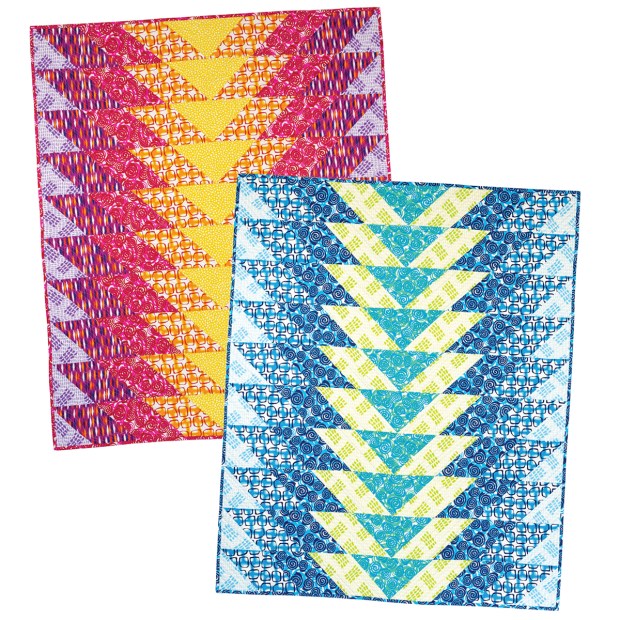
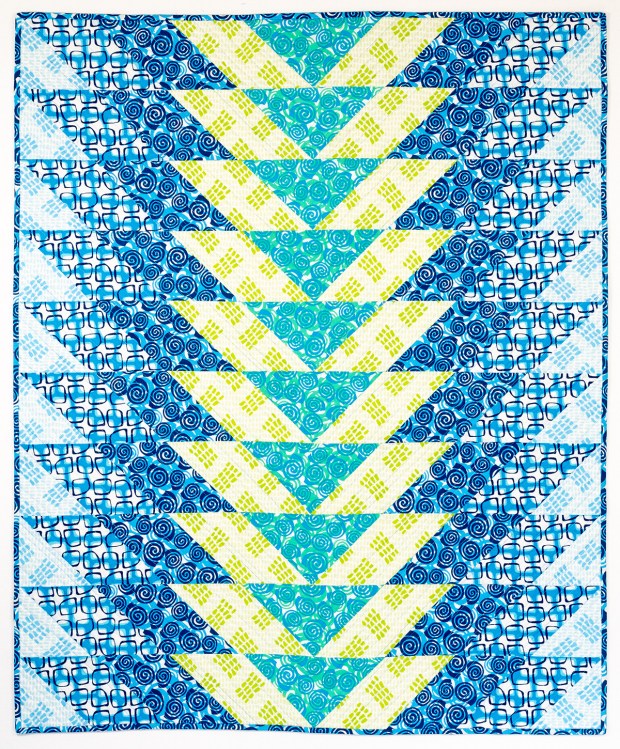
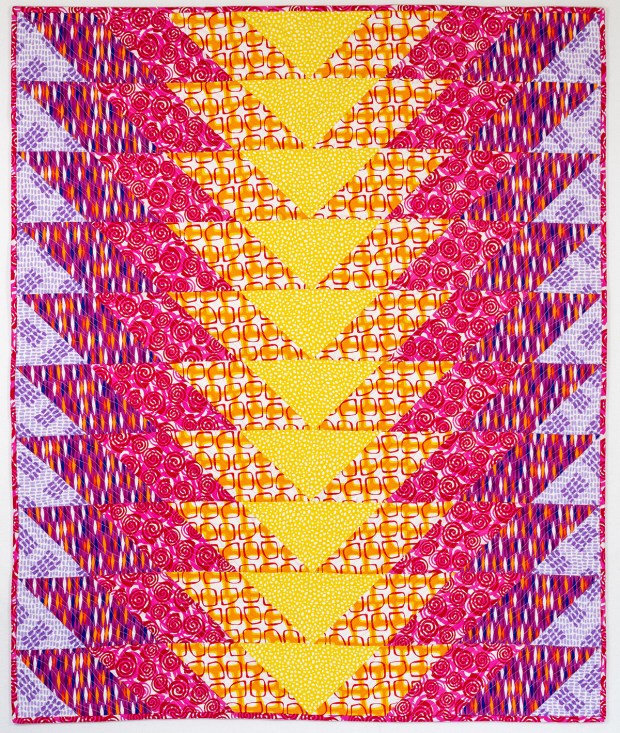
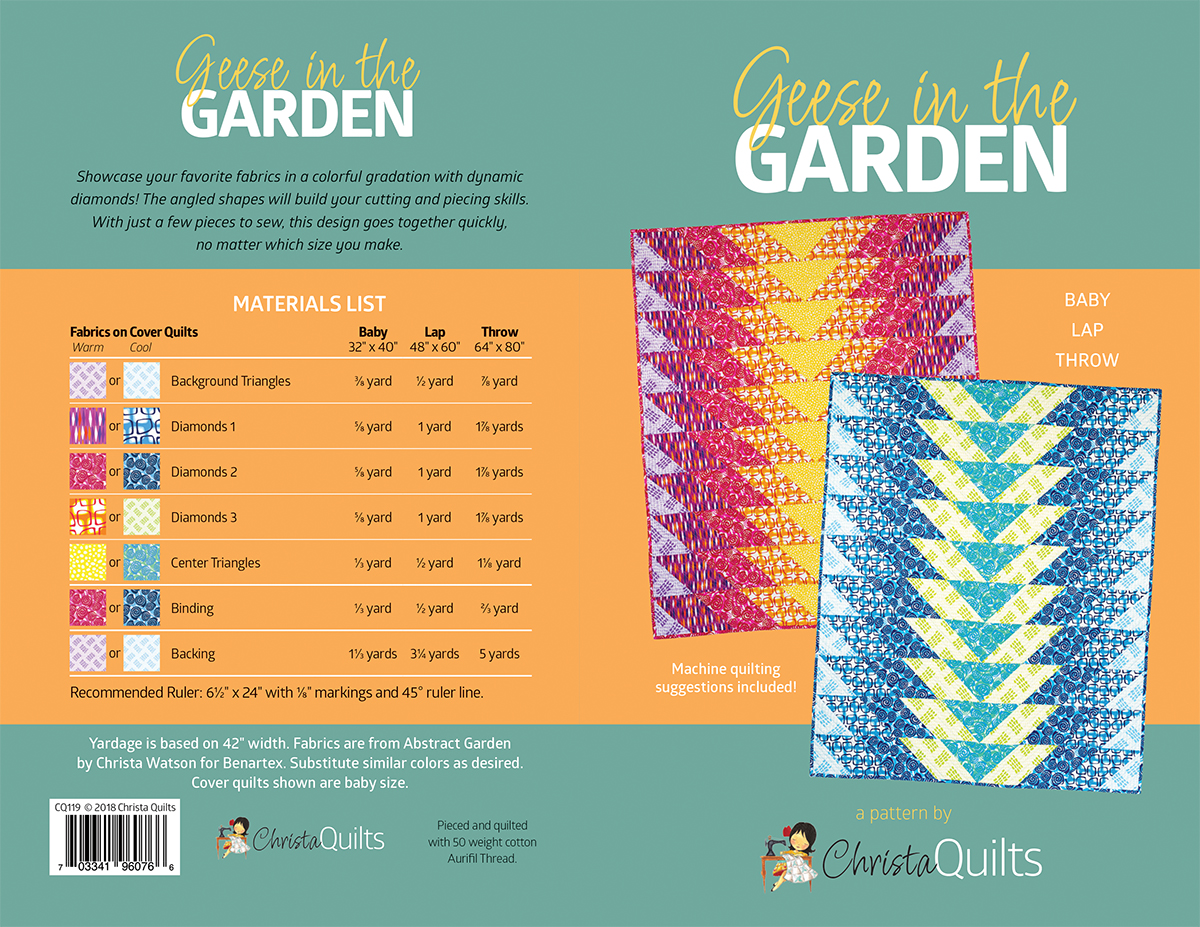
Geese in the Garden

Click here to purchase the PDF version instant download.
Click here to order the print version which will be shipped.

Geese in the Garden Quilt Pattern

Click the image above to enlarge the detailed materials list.

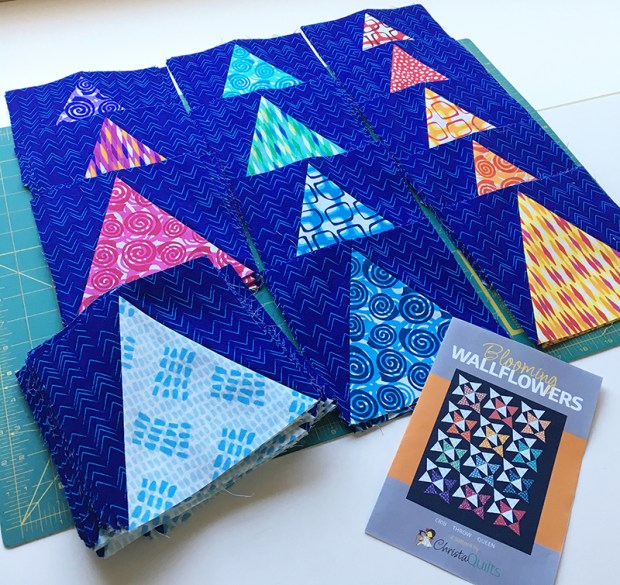
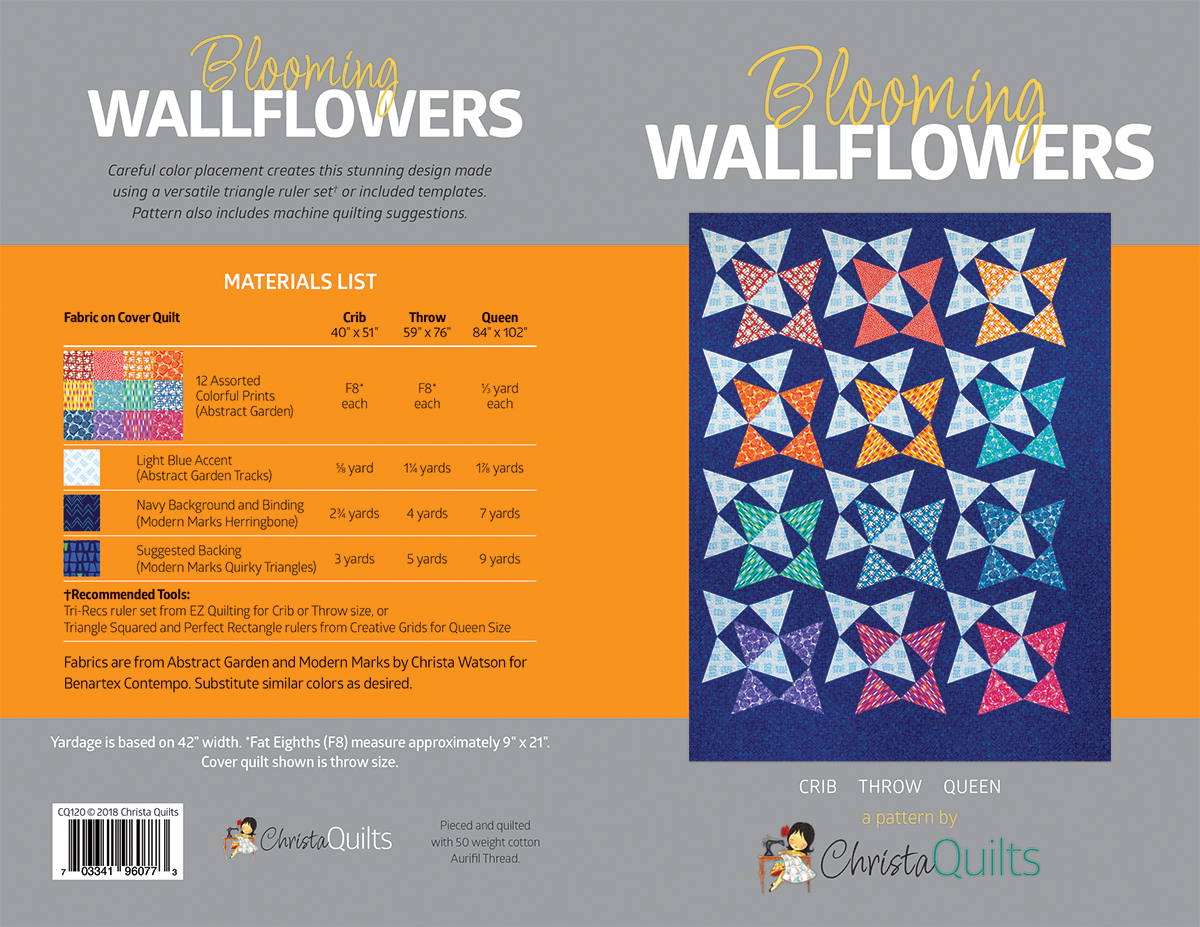
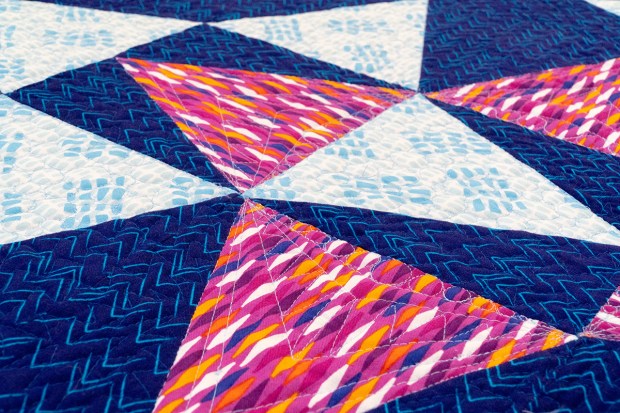
Blooming Wallflowers

Click here to purchase the PDF version instant download.
Click here to order the print version which will be shipped.

Blooming Wallflowers Quilt Pattern

Click the image above to enlarge the detailed materials list.

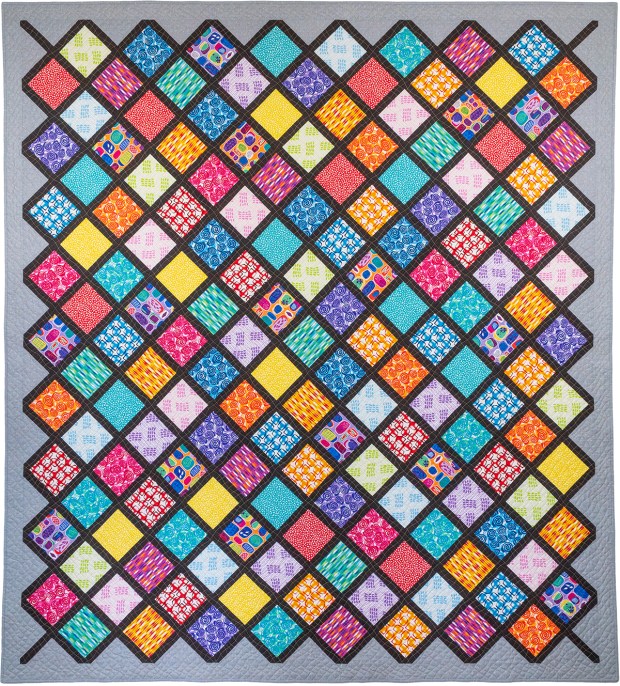
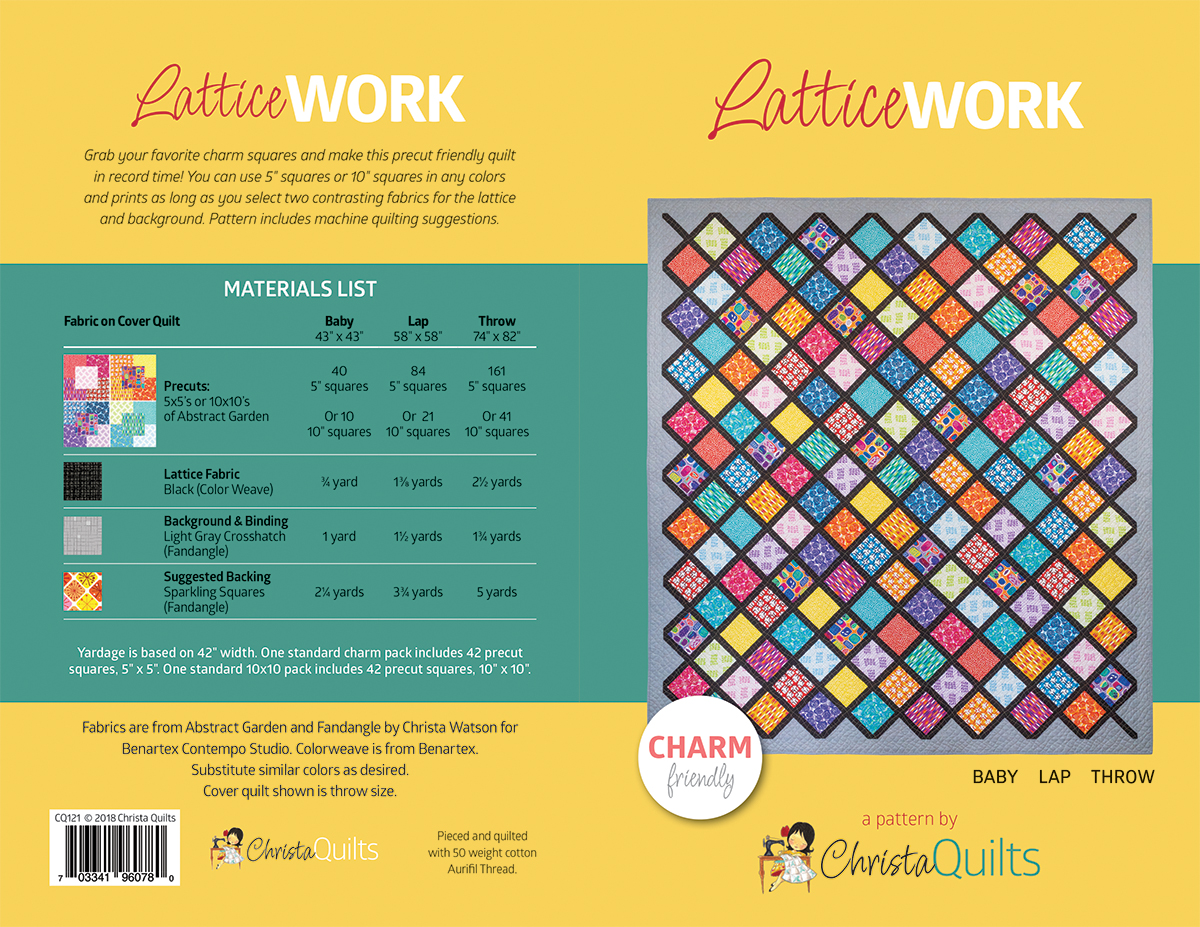
LatticeWork

Click here to purchase the PDF version instant download.
Click here to order the print version which will be shipped.

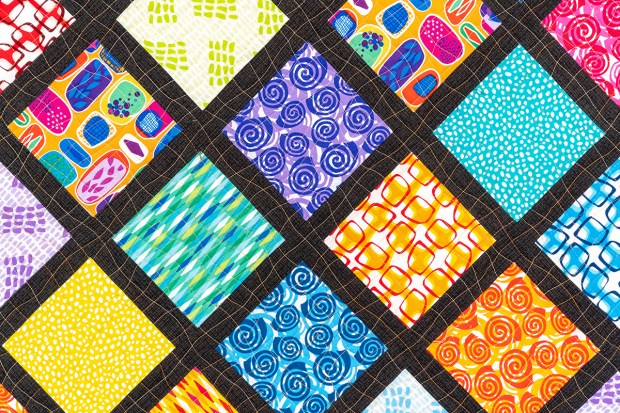
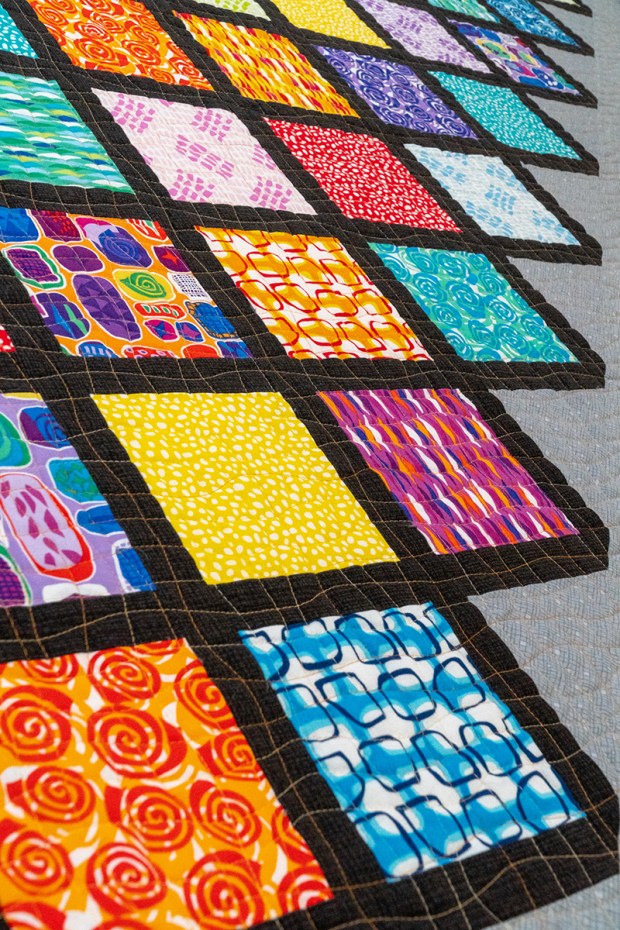
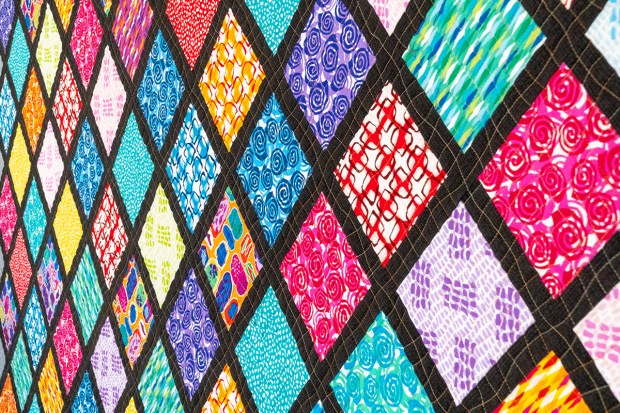
LatticeWork Quilt Pattern

Click the image above to enlarge the detailed materials list.

Wholesale Inquiries

These patterns will be available from most major distributors. Or email me christa@christaquilts.com for order info.

I hope you’ll enjoy making these quilts as much as I did!

Beaded Lanterns Quilt Along Week 4 – Spray Basting Tutorial

Have you always wondered how I spray baste my quilts? Over on the BERNINA blog at WE All Sew, I’m sharing my spray basting method using my design wall. It’s part of the Beaded Lanterns Quilt Along I’m hosting over there on the blog, so be sure to check it out!

Whether or not you are making the Beaded Lanterns quilt, you can apply this technique to any quilt.

Beaded Lanterns Quilt Along Links

Week 1 – Supply List and Schedule
Week 2 – Sewing the Blocks
Week 3 – Quilt Top Assembly
Week 4 – Backing and Basting

Click here to purchase Fandangle fabric, kits and bundles.

Dot ‘n’ Dash Quilt Along Week 8 – Machine Quilting Part 3: Double L’s

Good news! I’ve restocked the Dot ‘n Dash Kit in the light gray colorway.
Click here to order or visit shop.christaquilts.com.

I’m so glad we spent a little extra time machine quilting this quilt. Making a quilt from start to finish isn’t hard – it just takes a little time to break down the steps into doable chunks of time. This week we are going to finish up the quilting with a fun free-motion variation inspired by one of the quilting designs from my third book, Piece and Quilt with Precuts.

Free Motion quilting on Dot n Dash by Christa Watson

I’m all about perfectly imperfect texture in my quilts!

I like to quilt my quilts densely to add amazing texture and the more they are loved, used and washed, the softer they’ll get!

After quilting the double zig-zags last week, it’s time to tackle the “Double L’s” motif this week. These are based based on the “Cursive L’s” motif as shown in the Arrows quilt on pages 78-85 of the book, and also on the cover.

Free Motion quilting

Arrows is the cover quilt from Piece and Quilt with Precuts.

Sketch it. Then quilt it.

I’ve also used this design in a slightly different way on Twinkling Diamonds found on pages 56-63. So take a look at the quilting plans for those quilts to give you a better understanding of how to form the design.

The first thing I do when figuring out any design is sketch it first on paper. You can see in my rough drawing below, I tried a couple of different versions of the cursive L’s.

Sketch it. Then Quilt it.

Sketch it – then quilt it!

 At first I thought I would quilt the L’s and then echo them, but when I tried that on a practice sample, it didn’t look so good. I also thought of doing a more linear geometric version (in the upper left of my sketch) but that wasn’t right either. So I opted for two rows of cursive L’s, overlapping each other just like I overlapped the modern zig-zags in the gray areas of the quilt.

I tried quilting the L’s both horizontally and vertically and found it much easier to rotate the quilt so that I was quilting them vertically, from top to bottom in each row across the quilt.

Free Motion Quilting on Dot n Dash Quilt

I’ve rotated the quilt so I can quilt each row from top to bottom.

First Pass Across the Quilt

First, I did one pass of Cursive L’s across the quilt, starting on the upper right of the quilt, quilting one row at a time from top to bottom, and working my way toward the center. Once the quilt got too bulky in the middle, I rotated it and started from where I left off (center, top) to the other side of the quilt.

I’m using the same Aurifil gray thread (top and bobbin) that I’ve used for the whole quilt, and it blended in nicely on all the different Fandangle fabrics.

Cursive L's Free-motion quilting

Cursive L’s quilting – 1st pass across the quilt. Notice the gaps between the loops.

I recommend practicing a couple of times on scrap fabric and batting to get the hang of how you’ll form the design.

I’m not at all worried about the spacing of each motif or whether or not all of the loops are perfectly smooth. I’m aiming for texture over perfection. To get from one strip unit to the next, I’ll aim for the corner, or I’ll backtrack in the seam as needed to get to the next section to quilt. Notice that I’m treating the pieced units and the small gray background square as one area to quilt.

Cursive L's Free-Motion quilting

Head for the corners, or backtrack in the seams to get to each new section to quilt.

After the first row of Cursive L’s, I repeated the process, adding another row of L’s on top of the first row, intersecting the lines and quilting the design in opposite directions.

I squeezed in the second set of loops in the gaps between the previous loops. This added more texture and also made the imperfections less noticeable.

Second Pass Across the Quilt

Cursive L's detail quilting

Squeeze the second round of quilting in between the gaps of the first.

The more quilting you add to the quilt, the more thread you’ll use of course. So I would check your bobbin level at the end of a row of quilting and change it out as soon as it looks low (or pay attention to your bobbin indicator light if you have one on your machine).

Don’t play bobbin chicken!! I’d rather have a little leftover bobbin than run out in the middle of the quilt. If you are using cotton thread in your bobbin, you can always use the leftovers when piecing your next quilt.

Cursive L's Dense Quilting

I love using soft 100% cotton thread and natural fiber batting for my quilts.
This allows me to quilt densely while still ensuring a cuddly quilt!

Quilting Homework

Finish quilting the quilt! Feel free to mix and match quilting motifs from my books, or use some of your favorite designs. However you decided to quilt it, please share your quilt in progress in my Facebook group and on instragram #dotndashqal. I love seeing everyone’s work!

Next week, we’ll trim up the quilt and bind it to finish. I can’t wait!

Quilting at the Beach

I love how these surfboards at the beach match the coloring of my quilt!

Click here for the quilt along schedule, supply list, and links to all the tutorials.
Click here to purchase Fandangle precuts and coordinating yardage.

Beaded Lanterns Quilt Along Week 3 – Quilt Top Assembly

Great news for those of you following the BERNINA quilt along to make Beaded Lanterns. More of the kits are back in stock at shop.christaquilts.com.

beaded lanterns

Last Thursday, the lastest installment was shared over at We All Sew. The next step in the process  is to sew the blocks to make the quilt top. Click the links below to catch up on the Quilt Along and feel free to jump in at any time!

Beaded Lanterns

BERNINA Beaded Lanterns Quilt Along Links

Week 1 – Supply List and Schedule
Week 2 – Sewing the Blocks
Week 3 – Quilt Top Assembly

Click here to get the optional Beaded Lanterns quilt kit, while supplies last.