Little Rascals Quilt Part 3 – Stencil Quilting

This week I finished quilting the brown sashing on this adorable Li’l Rascals baby quilt. You can learn how I free-motion quilted the blocks in last week’s blog post.
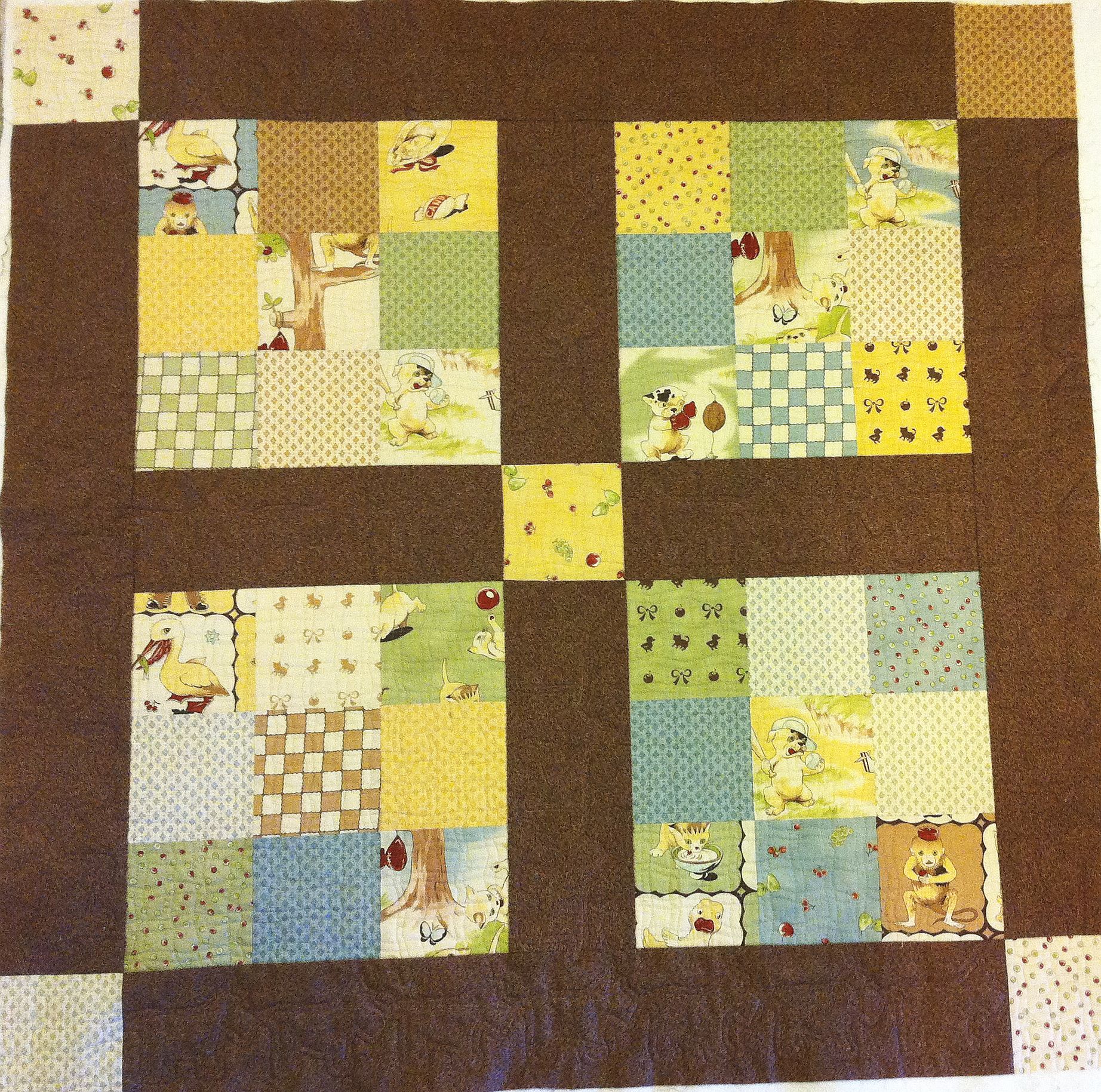
Li'l Rascals Baby QuiltFirst, I selected a cute Scottie Dog quilt stencil. I lucked out because each dog motif was about the size of one of my charm squares, so I didn’t have to adjust the size of the design. I love collecting all sizes and styles of quilting stencils. I probably have over 100!

Scottie Dog StencilSewline Marking Pencil

To mark the design, I used a Sewline mechanical pencil with white ceramic leads. It made a nice clear line to follow.

The lines came off easily with a Sewline eraser stick after quilting. The left picture below shows 2 marked and quilted motifs. The right picture is after I erased the right motif. You can clearly see the quilting, but not the lines!
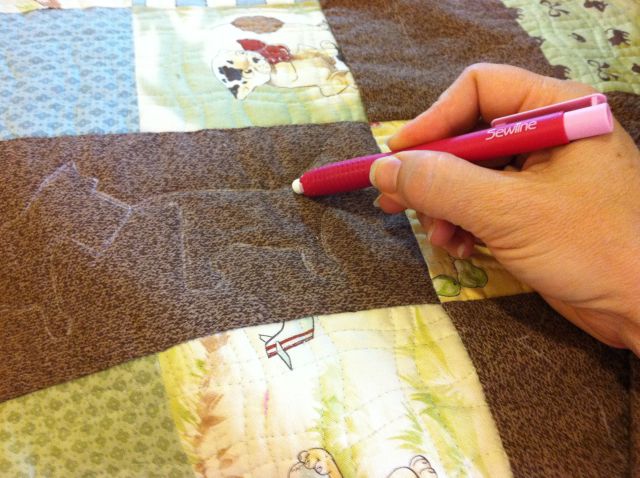
Sewline Fabric EraserRight Motif Erased After Quilting

After I quilted the dogs with a matching brown thread, I decided I wanted to see them a little better, so I quilted them again, going over my previous lines, but this time with metallic thread. (To avoid problems using specialty threads I use titanium-coated top-stitch needles from Superior Threads.)

The design still wasn’t quite finished, so I added another line of quilting, echoing the shape of the dogs. Then I was happy with the quilting. Echo Quilting with Metallic ThreadNext time I think I would try a much darker or lighter thread so that I can see the design even better. I’ve been quilting for so many years with matching thread to hide my mistakes. But now that I’m getting better with my free motion quilting I want my stitches to show!

Next week, I will finish this quilt by showing how to block it and bind it.

If you’d like to make a similar quilt like mine, it requires just one charm pack and 1 yard of coordinating fabric for sashing.

Bungle Jungle Modern Quilt – Week 1

Before I’ve even finished my current project, the Little Rascals baby quilt, I’ve already started on my next charm pack design! I was inspired by Leah Day’s modern quilt on her free-motion quilting blog.  However,  I’m making mine a little more uniform and less wonky.

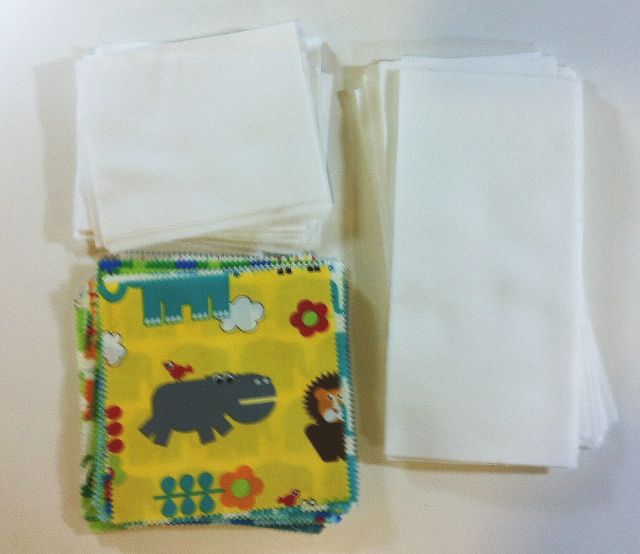
I started with one charm pack of Bungle Jungle – a set of 42 precut squares that measure Bungle Jungle with Solid White5 inches. That means the finished size of each square is4 1/2″. I wanted to surround the squares with lots of open space for quilting, so I grabbed 2 yards of  of Kona Cotton Solids in white.

I cut  fifteen 4″ wide strips of white and sub-cut them into 42 pieces that measure 4″ x 5″ for the short side of the blocks and and 42 pieces of 4″ x 8 1/2″ for the long side of the blocks.

I stacked the pieces up next to my sewing machine in order so they were all ready to sew. Some of the prints are directional, but I won’t worry about that as I sew this quilt together. That will add to the “charm!”

Stacked and Ready to Sew

Bungle Jungle Block

To help with quilting later, I pressed all of the seams open. This helps reduce bulk and prevents shadowing of the seams. I will sew a total of 42 blocks, one for every charm square.

This week I will work on arranging the blocks into a pleasing setting. I’m loving it already!

Bungle Jungle Blocks LayoutThe Modern Quilt aesthetic really appeals to me with lots of negative space and clean lines. One of the hallmarks of this design style is to use lots of solid fabric and crisp, clear colors.

If you’d like to follow along, grab 1 charm pack of your choice and 2 yards of background fabric, then sew a total of 42 blocks like those shown above. (I’ve only finished 12 blocks so far.) I’ll continue to blog about this project until it’s done, including quilting and binding.

Lil Rascals Charm Pack Quilt Part 2 – Machine Quilting

Last Thursday I posted instructions on how Lil Rascals Charm Pack Quiltto make this cute Li’l Rascals quilt top from just one charm pack and a yard of coordinating fabric.

If you are following along, feel free to post comments or ask questions about the project and I’ll do my best to answer!

This week I am working on machine quilting the 9 patch blocks with a free-motion wavy plaid design. Next Thursday, I’ll blog about marking and quilting the borders and sashing with a stencil.

I was really excited about doing something different with this quilt. I have stippled myself silly over the last 4-5 years and I’m ready to move on to new textures and designs.

Wavy Plaid PracticeI was inspired by Leah Day’s Loose Weave quilting from her  Daisy to Paisley book of free motion fillers. I stitched out a practice sample on scrap fabric, then set to work on my quilt.

The long wiggly lines were easy to quilt without marking. My design is called “Wavy Plaid.”

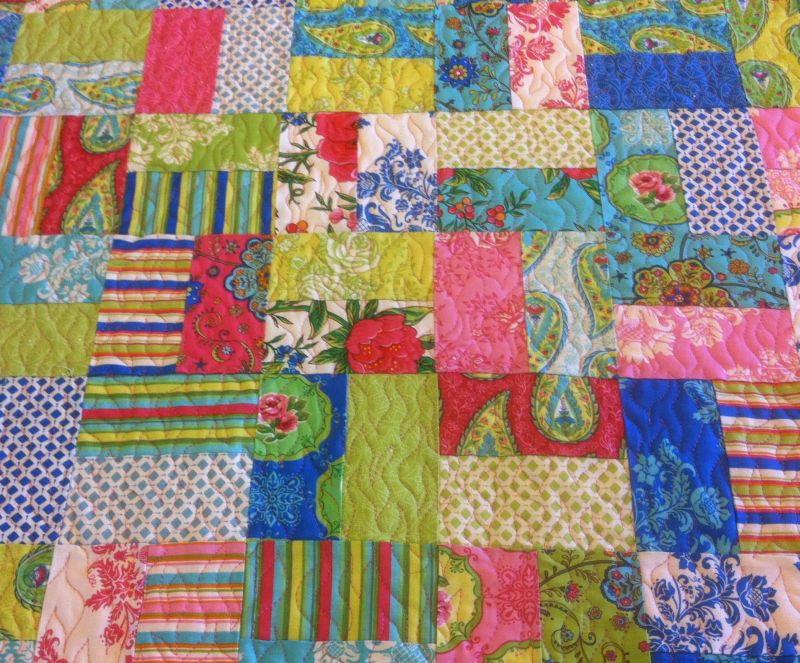
First, I quilted long slightly wavy lines down the length of each 9-patch block. I used a thin polyester thread that seemed to blend in with most of the fabrics. I wanted the texture to show, not the thread! I quilted 4 sets of double rows per block and kept them sort of even.

Vertical Lines Quilting

Next, I quilted the same type of wavy lines going across the width of the blocks. I did have to rotate my quilt so that I was quilting either up or down the quilt the entire time. When I tried to quilt from side to side, my thread kept breaking.

Wavy Plaid Quilting I love the freedom this design gave me. Nothing had to be perfect and the quilting added lots of gorgeous texture!

Echo LinesTo create the double lines, I quilted an echo outline with my free-motion foot, using the edge as my guide.

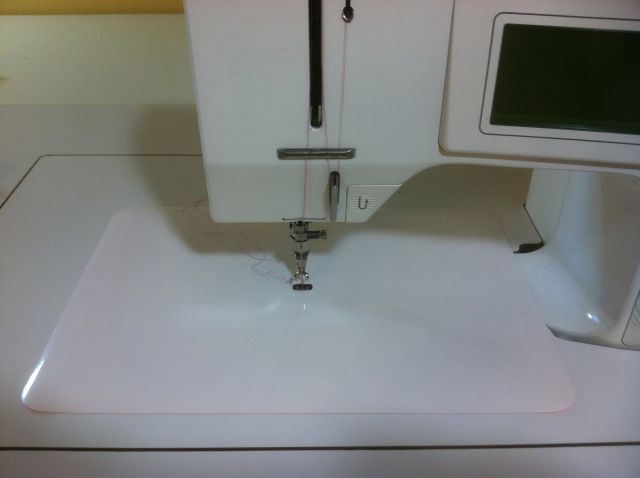
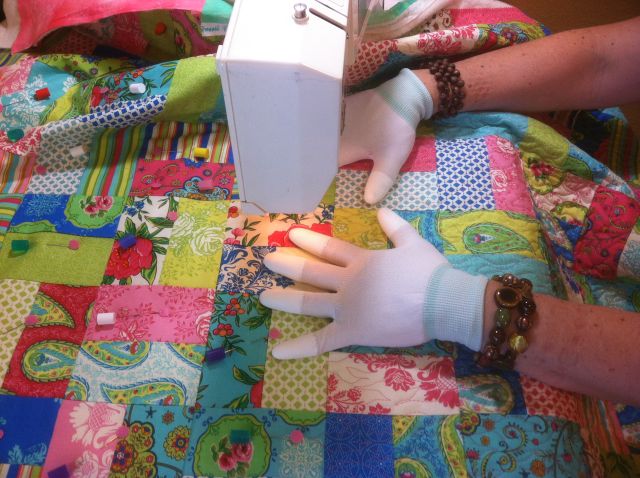
I dropped the feed dogs on my machine, used a Supreme Slider underneath the quilt to help it slide around smoothly, and stitched while wearing Machingers Quilting Gloves. The right tools make all the difference!

By the way, in case in case you need it, here are links to my mini-tutorials on pin basting, and sewing a pieced backing.

Lil Rascals Charm Quilt Part 1 – Free Pattern

Here’s a quick and easy charm pack quilt I came up with. It requires 1 Lil Rascals charm pack and 1 yard of brown Sock Monkey Texture fabric (with enough left over for binding). You can substitute any charm pack and any coordinating fabric for the sashing.

Lil Rascals Quilt TopI’ll blog about marking and machine quilting it next week. Now I will explain how to make the quilt top.

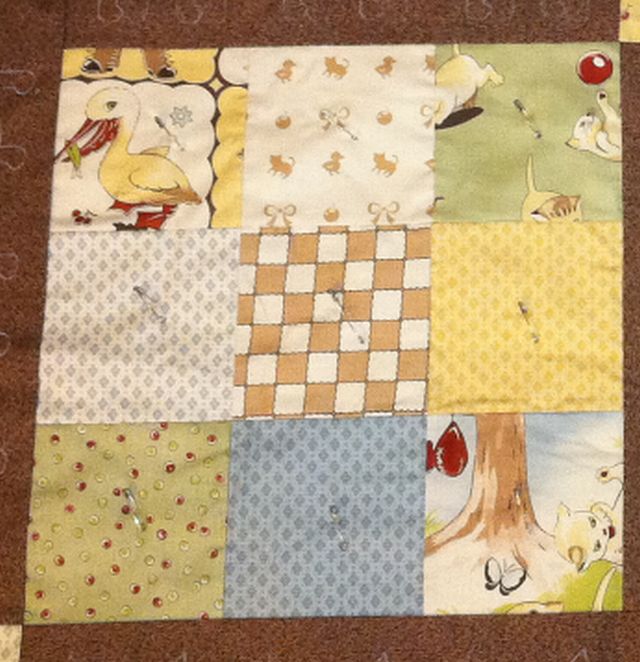
9 Patch BlockFirst, select 41 of the 42 charm squares that comes in the charm pack (you can save the 42nd square to use as a label on the back).

Arrange 9 of the squares to make one 9 patch block. Repeat for a total of 4 blocks. The charms are precut 5 inch squares, so your 9 patch block should measure approximately 14″ unfinished.

Measure your block and cut 4 sashing pieces 5″ wide by your block measurement.

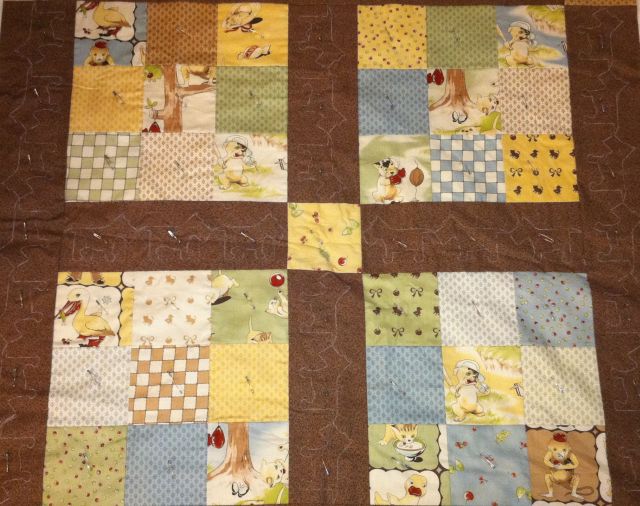
Top & Bottom RowsMake 2 rows like the picture at left. Sew a 9 patch block, sashing piece and another 9 patch block to make the top and bottom rows. Measure the width of this row (should be 32″). Cut 4 brown border strips 5″ by this measurement.

Middle RowFor the middle row, take 2 sashing pieces and sew on both sides of a charm square. Sew all 3 rows together to create the inner quilt. Press towards the brown sashing strips.

Add Side BordersSew two long border strips to either side of the quilt top, like the picture at right.

Finally, sew the 4 remaining charm squares to each side of the two remaining long border strips (picture lower right).

Add each border  to the top and bottom to complete the quilt top.

Add Top & Bottom BordersThe quilt top measures approximately 41 inches square. It’s a little too wide to use just one length of fabric for the backing.  I pieced my backing so that I had an extra 4-5 inches around on all sides.

It requires about 3 yards if you want to use the same fabric for the entire backing, with some left over. With care, you could get away with using just one 1 1/2 yard piece for the backing, if it’s at least 42 to 44 inches wide, but that’s cutting it a little too close for my taste!

To learn about piecing a backing using two different fabrics, read my post about that here. You could also sew a few chunks of fabrics for the back, or piece together a layer cake for the backing and you’d have a double sided quilt!

Feel free to share this tutorial with your friends, and let them know to come visit my blog for more quilting tips, free patterns, and fun inspiration!

Click here for step 2 – basic machine quilting

Click here for step 3 – stencil quilting

Click here for step 4 – blocking and binding

Machine Quilting – Sharp Wavy Stippling

My Summer House charm pack quilt is finally finished! Well, it’s not mine anymore – I gave it to my sister in law for her new baby girl due this summer. Cresen is very lucky because I made her 2 quilts in one year! I finally made her wedding quilt this spring, although she’s been married for a couple of years now. You can see pictures of her wedding quilt here.

Be sure to click on the pictures below for closeups of the front and back of this cute quilt.

Ella's Baby QuiltPieced BackI was really pleased with how the machine quilting turned out on this quilt. I tried some new tools that really made the process much easier.

Supreme SliderFirst,  I attached a Supreme Slider to the bed of my sewing machine. This thick slippery plastic material reduces the friction on the bottom side of the quilt and significantly improves the whole free-motion quilting process. With less drag, it’s much easier to glide the quilt around and get good quality stitches.

Machingers Quilting Gloves

Next, I used a pair of Machingers machine quilting gloves. They are very comfortable and I can even thread the machine while wearing them.

They gave me a better grip on the quilt. Pushing the bulk of the quilt  through the bed of the machine was much easier, too, making the whole experience more enjoyable.

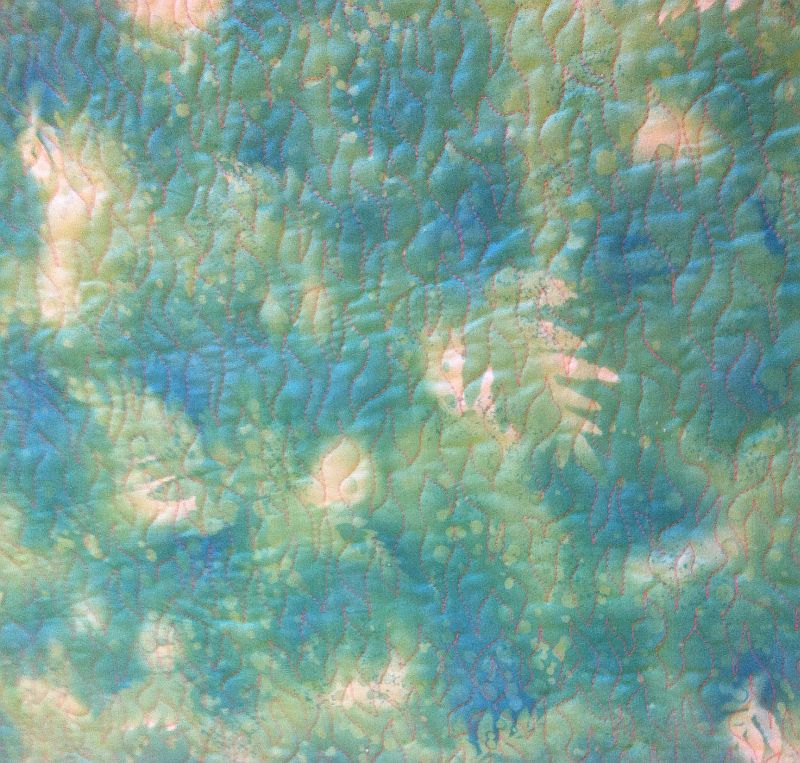
I wanted to try another version of stippling – sharp wavy stippling, inspired by Leah Day’s free-motion quilting project. Instead of doing a simple meander, I quilted wavy lines, ending in a point and coming back down. I also used more of a contrasting thread so you can see it.

Wavy QuiltingThis was the first time I free-motion quilted in an orderly fashion – stitching one block at a time – then moving onto the next block in rows (rather than randomly every which way all over the quilt). I like the progress I made and the interesting texture. It reminds me of flames or waves, depending on which way you look at it. See above and below for closeups.

Sharp Wavy Quilting TextureI like branching out with my machine quilting. I’m happy drawing and quilting marked lines, but the random n0-mark free-motion fillers give me more flexibility with my designs.

Basting a Quilt With Pinmoors

Machine quilting is my absolute favorite part of making a quilt. However, before I get to that super-fun part, I have to get it all basted and ready to go first. Here’s my favorite method of basting. (You can read about preparing the quilt backing for this quilt here.)

Cotton BattingI have two favorite battings that I like to use (cotton or wool). For a small baby quilt such as this one, I love Warm-N-Natural 100% cotton batting. It’s very inexpensive and quilts up wonderfully. It also gives an antique look once you wash it. I usually buy it by the bolt from my local craft-supply store when it’s on sale.

I always cut the batting a little larger than the quilt top, with the backing being slightly larger, too. Once the top is laid out, I’ll trim off the excess leaving about an inch or two around on all sides. For a larger quilt I would tape or clamp the backing & batting down, but that’s not necessary for a smaller quilt like this one.

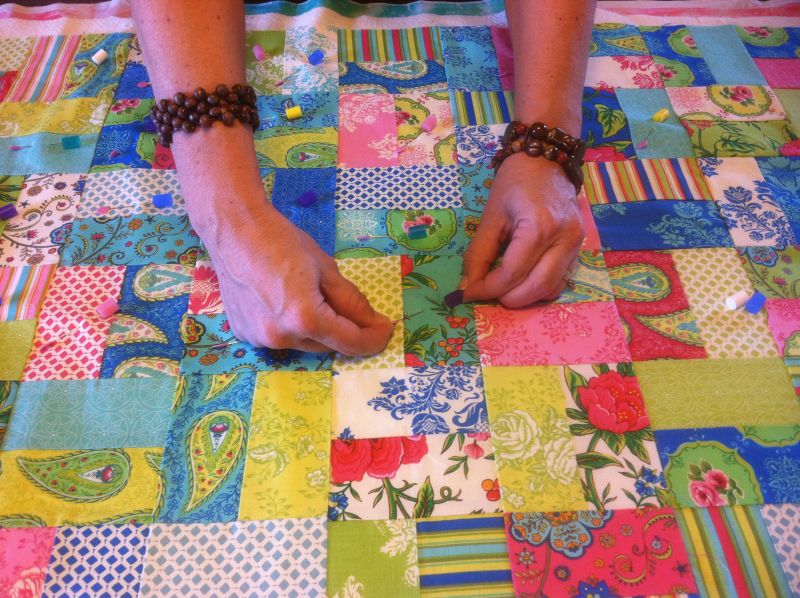
A customer of mine suggested that I start carrying Pinmoor pin anchors, so I took her suggestion and I’m glad I did. This is by far the easiest way to baste a quilt! You just insert any straight pin into all 3 layers of the quilt.  (I like the cute flower pins.) Then you cap the pin with a Pinmoor. It’s like a little nub of soft sturdy plastic that catches the end of the pin.

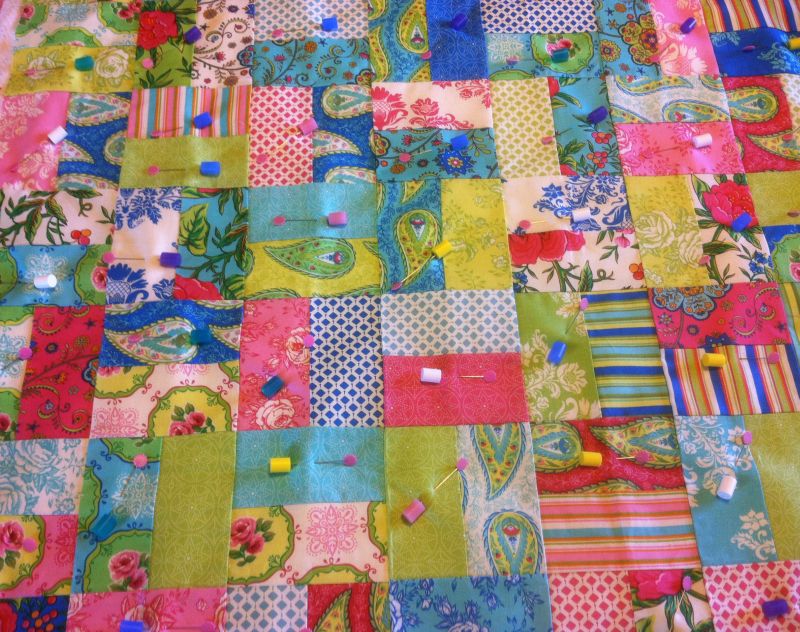
Basting with PinmoorsThe best part about using the Pinmoors is that they are extremely easy to take out of the quilt while machine quilting. Just toss the pin into one container and the Pinmoors into another so they are ready for next time. You could also throw them all into one container and use a magnet to separate out the pins. They are indefinitely reusable.

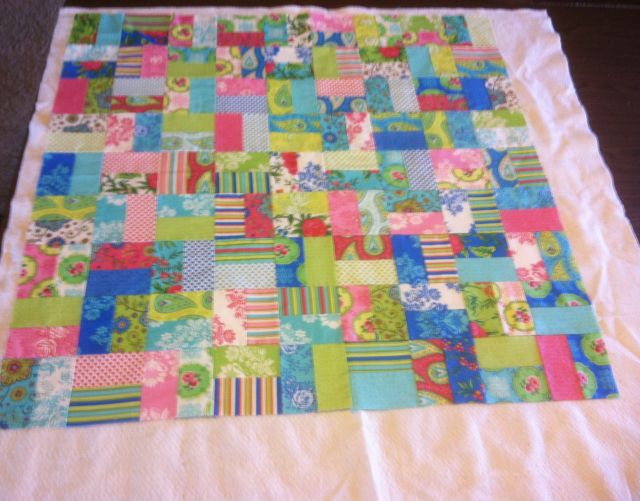
Pinmoor Basted QuiltIt took exactly 81 Pinmoors  and pins to baste this quilt – one for each block! In my next blog post, I’ll write about machine quilting this quilt with an allover design. This is for my sister-in-law’s baby girl, due this summer. I used Lily Ashbury’s Summer House fabric cut into 2 1/2″ by 4 1/2″ strips to make this quilt. It was fun, quick and easy to sew!

Leaning Tower of Precuts

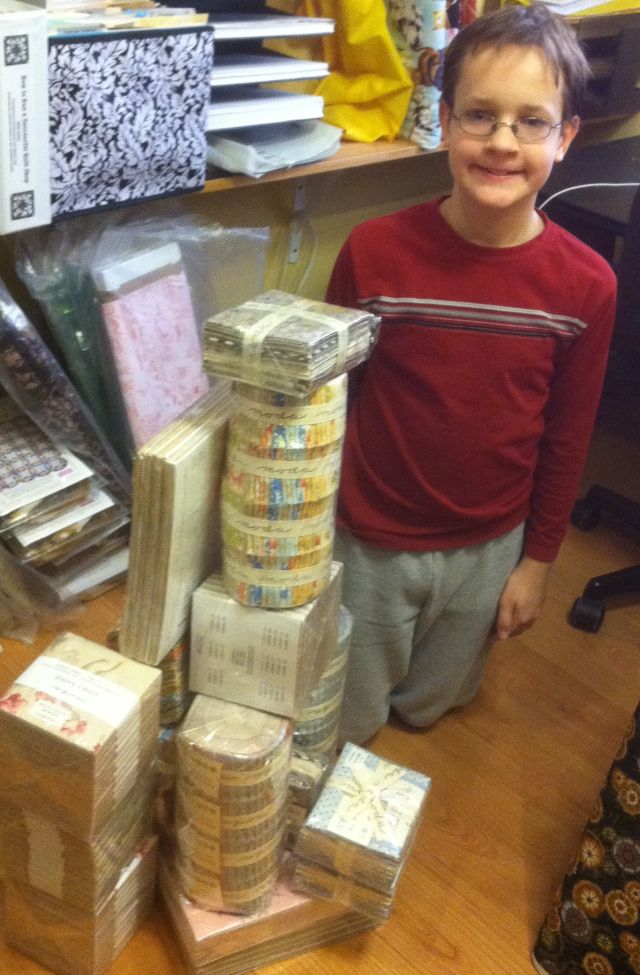
I just had to share this cute picture with you. It’s my younger son’s job to help me unload boxes whenever I get in a new fabric delivery. He likes to make it fun by building towers out of all the Moda bundles that arrive. At least you know your precuts are in good hands!

Leaning Tower of Precuts

Moda Charm Packs Galore

Pile O' CharmpacksI hope you aren’t getting tired of reading about charm packs because I am certainly not tired of writing about them and sewing with them – they are just “sew” addicting!

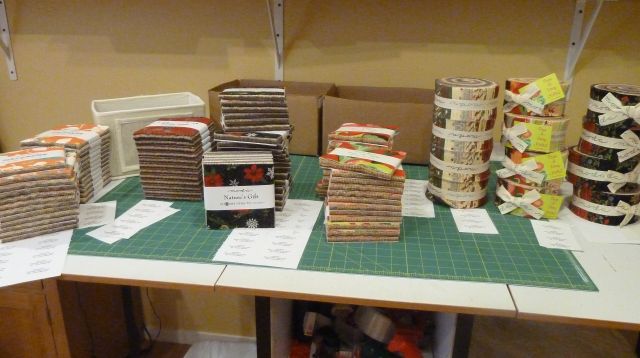
Here’s a recent pile of charm packs and jelly rolls that arrived from Moda, waiting to be labeled and bagged for shipping.

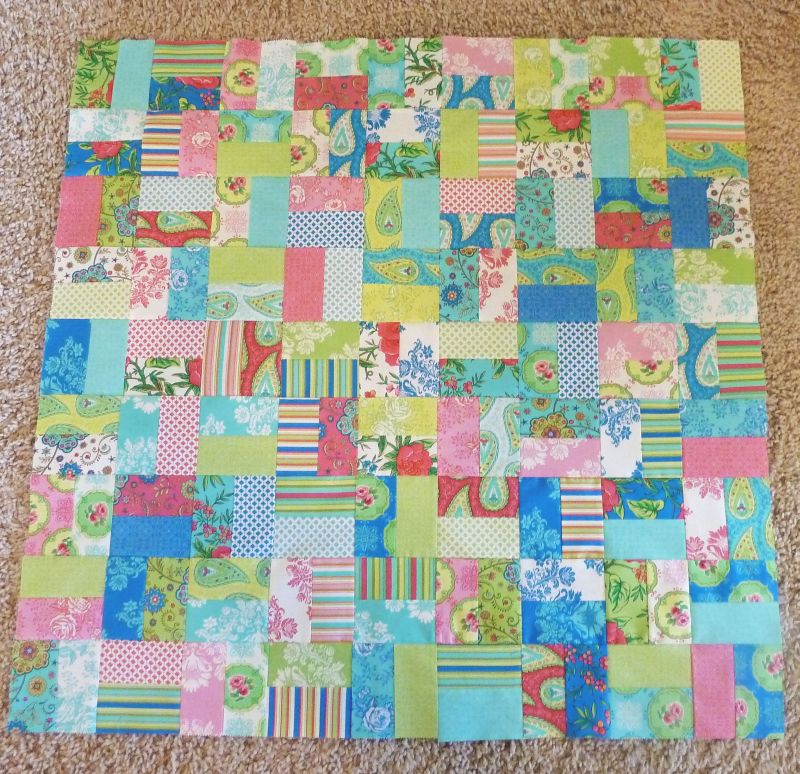
Lily Ashbury Charm Pack Quilt TopHere’s my current charm pack quilt project that I’m working on. It uses two packs of charms cut in half. I chose Lily Ashbury’s Summer House but think this will look great in any charm pack color combo.

As I wrote in the last post, my new thing is designing quilts in EQ7. As soon as this one is finished, I plan on kitting it and making a pattern from it. It’s super easy yet very striking, especially in colorful modern fabrics!

Here are the next few Moda charm packs that I would like to do something with:

Nature's Gift

Nature's Gift

Terrain

Terrain

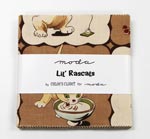
Lil' Rascals

Lil' Rascals

Charm Pack Quilts Galore!

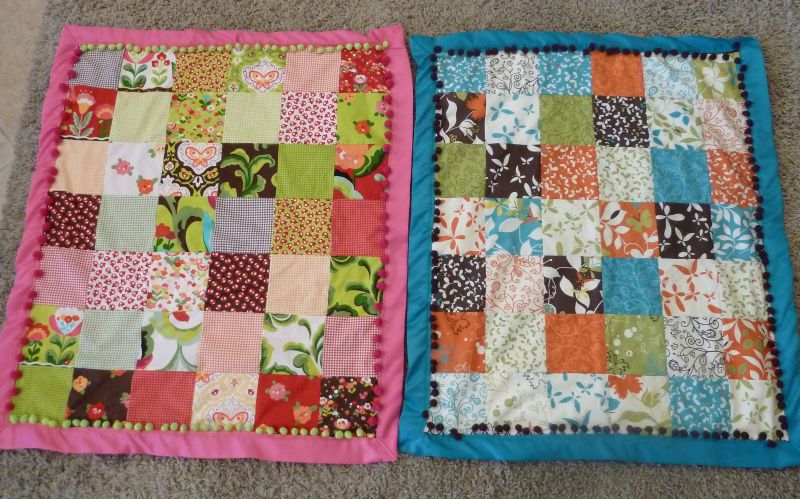
I don’t know what it is about Charm Packs that have gotten me so addicted! Now my friends are using them, too and making even cuter quilts that me!! My friend Stacy stopped over after our workout this morning (which means getting caught on camera with no makeup!). She showed me these adorable Charm Quilts she whipped up this week using Keiki’s Oops A Daisy and Sanae’s Chrysalis charms, both precut from Moda:

Oops A Daisy Charm Pack Quilt - GirlChrysalis Charm Pack Quilt - BoyAren’t they simply adorable?

She made them for a friend who’s expecting twins – a boy and a girl!

How perfect!

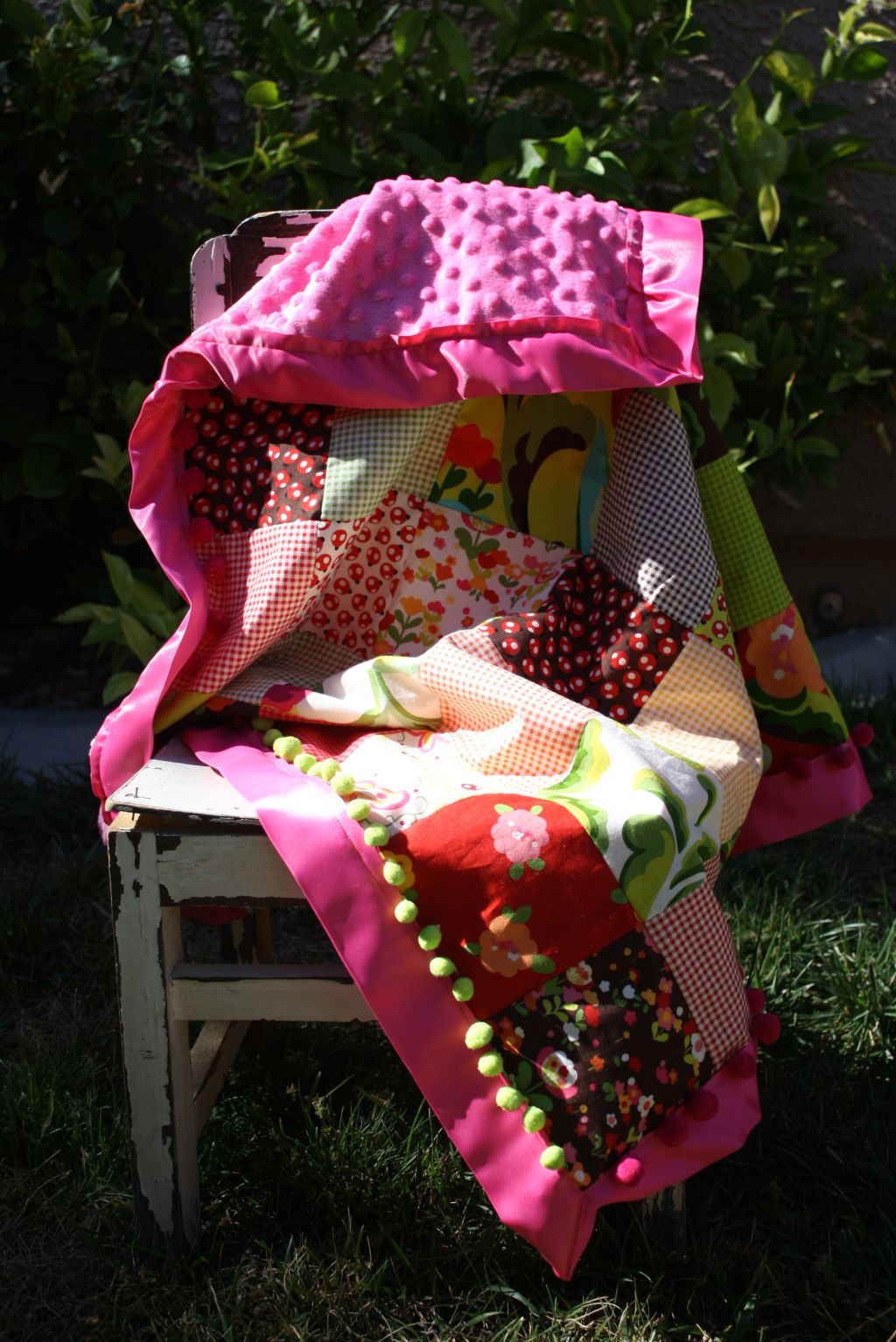
I especially love how she finished the quilts. She used Minkee on the back and omitted the batting in the middle. My favorite part is the pom-pom fringe with the satin binding.

Charm Quilts with Minkee BacksEach quilt takes just one charm pack for the front and finishes about 28″ x 32″. This will be a perfect gift for the new mom to be!

Boy & Girl Charm Pack Quilts

Baby Boy QuiltBaby Girl QuiltHere are are pictures Stacy took of her two quilts outside.

Don’t they look like they belong in a craft or quilting magazine?

Weekend Charm Pack Quilt

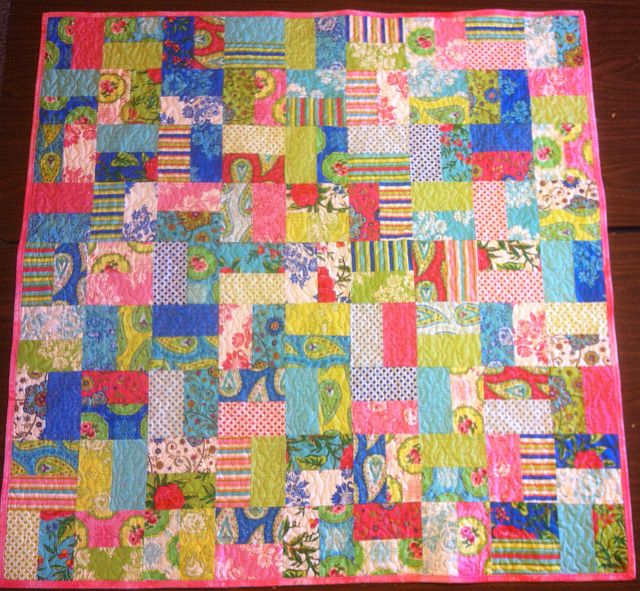
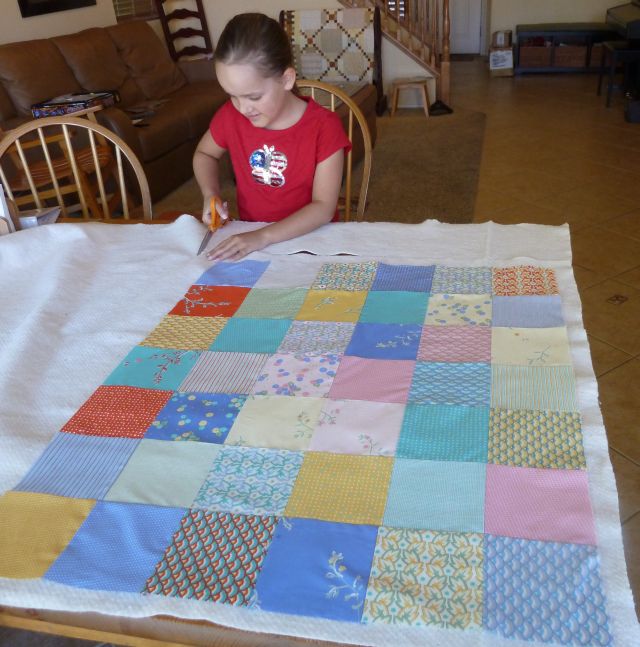
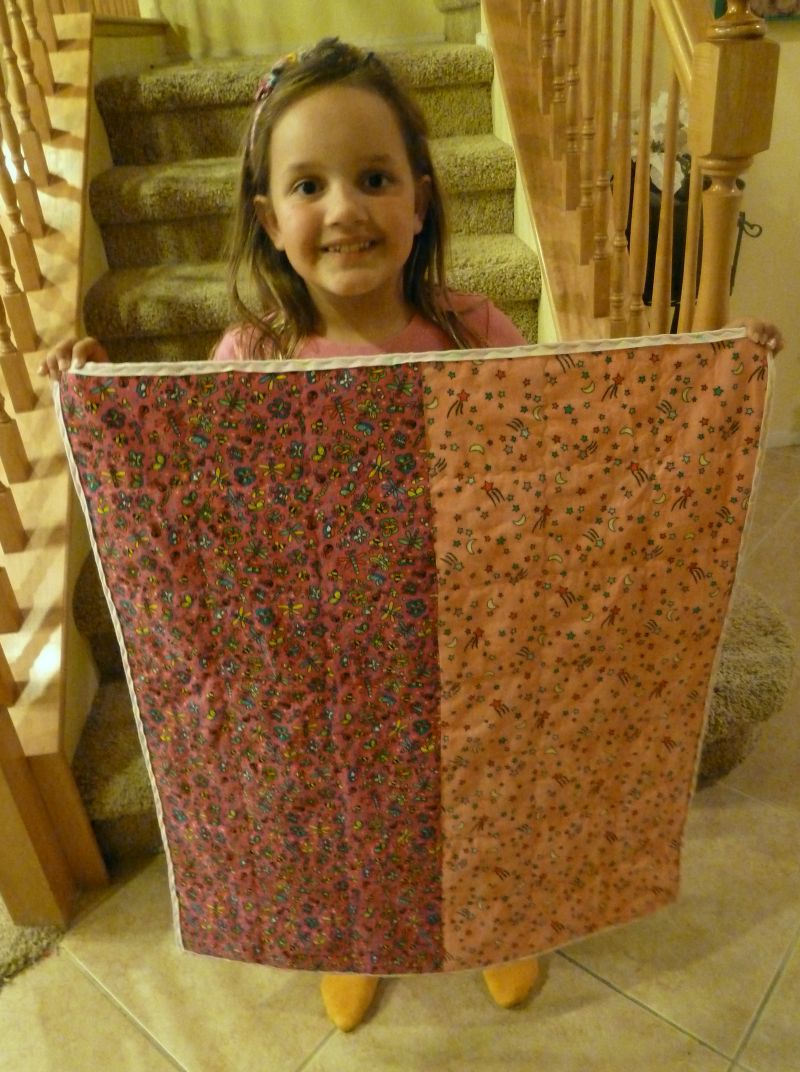
The most meaningful quilt I have ever helped with is this adorable charm pack quilt made by my daughter Jenna! I blogged about our sewing time together here and here. Jenna did all of the sewing, machine quilting and binding. She even won an award for it at our local show.

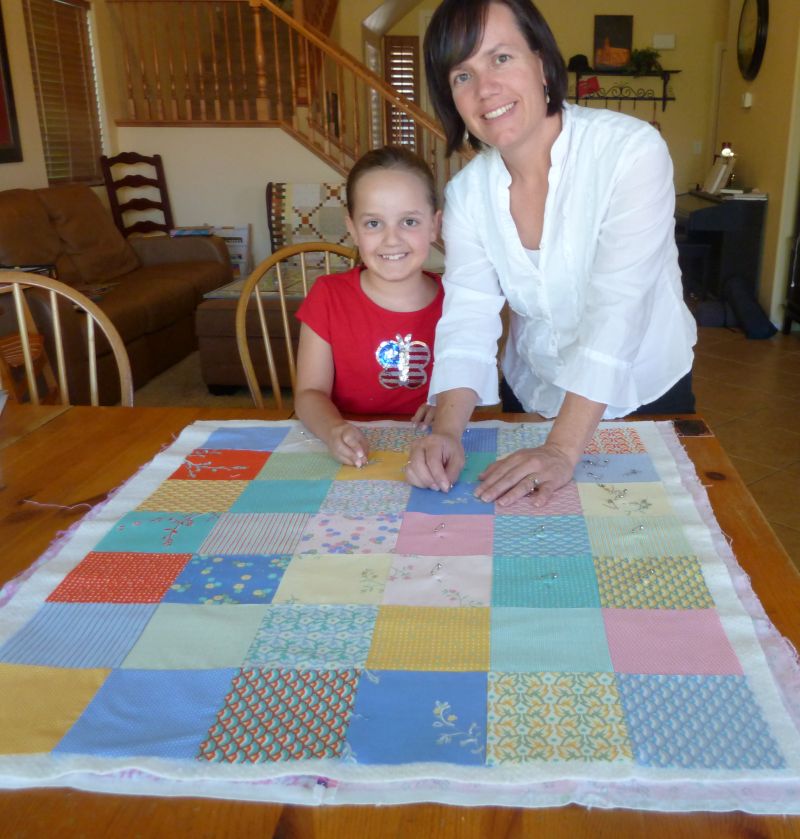
Jenna's Charm Pack QuiltJenna picked out an Oliver + S City Weekend charm pack with coordinating pink for the binding from my stash. For this part of our mother/daughter sew-in, we had to cut the batting and safety pin baste the layers together on our well-used kitchen table.

Trimming the BattingPin Basting.

Then came time for the most fun part: machine quilting!! Jenna was such a big girl feeding Machine Quilting Wavy Stitchesthe quilt through by herself and checking to be sure all the layers were secure.

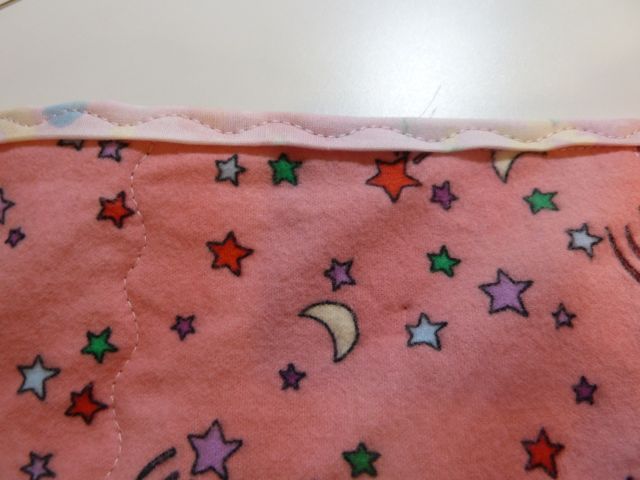
She used a serpentine stitch to quilt between the rows of all the blocks. It’s a super cute stitch and much easier for little hands to do than stitching in the ditch.

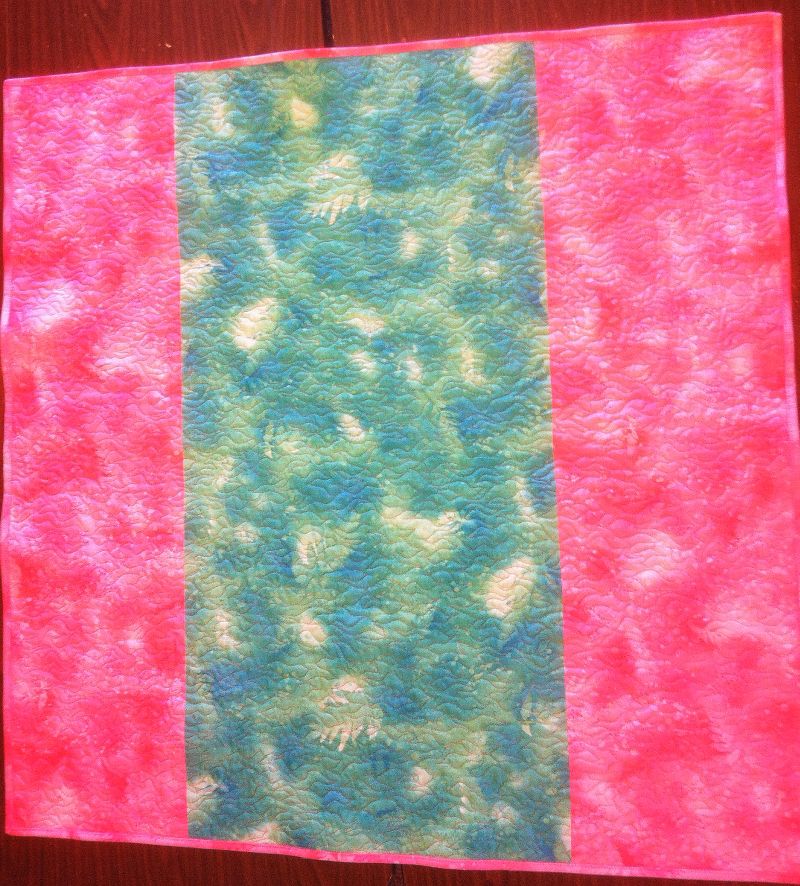
Flannel Quilt BackingI think she liked picking out the quilt backing just as much as touching all the fabric squares. She loved the soft feel of the flannels and was thrilled two include 2 shades of pink in her quilt!

It’s fun to see the back of the quilt. You can make out the quilted design around all the squares and we were both very impressed that we actually got the back seam to line up with a row of stitching.

It makes this quilt reversible!

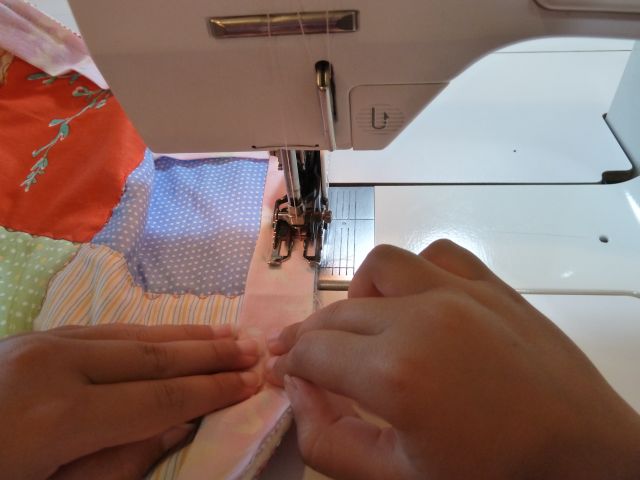
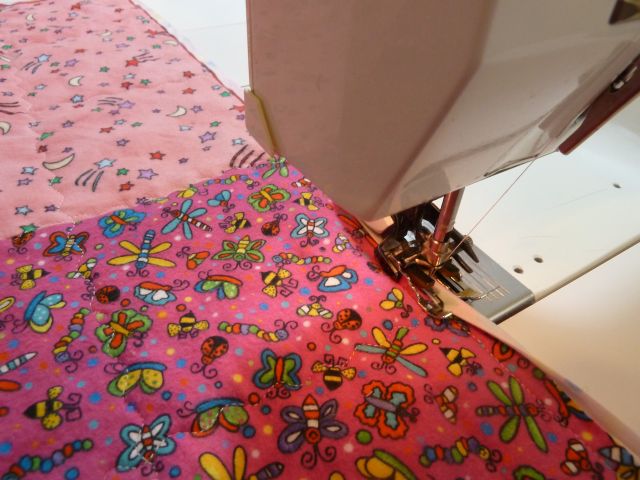
I helped her a lot with the binding which we did completely by machine. First we sewed the binding onto the front like usual. Then we flipped it over and stitched it down on the back using the same serpentine quilting stitch.
Machine BindingBinding by MachineDecorative Stitch BindingJenna loved sewing & is now asking when she can make her next quilt!